


Iran Warns of 'Firm Response' to U.S. Airstrikes, Sanctions Waiver Revocation
Translated from Korean, summarized and contextualized by DistantNews.
At a glance
News
Named sources
Context piece
- Iran has warned of a firm response to U.S. airstrikes and the revocation of oil sanctions waivers, calling them a violation of agreements.
- The U.S. Treasury withdrew a general license that had allowed Iranian oil and petrochemical sales, citing unacceptable actions in the Strait of Hormuz.
- Tensions are rising in the Strait of Hormuz, potentially destabilizing nuclear negotiations and sanctions relief efforts between the two nations.
Iran has issued a stern warning against the United States, accusing Washington of violating agreements by launching airstrikes and revoking sanctions waivers on its oil exports. The Iranian Foreign Ministry stated that the U.S. Treasury's decision to withdraw the general license permitting the sale of Iranian crude oil was a "violation of the memorandum of understanding (MOU) for the cessation of war and resumption of negotiations."
We strictly warn about the consequences of the U.S. violation of its promises. We will take firm measures to protect our national interests and national security.
"We strictly warn about the consequences of the U.S. violation of its promises," the ministry declared in a statement. "We will take firm measures to protect our national interests and national security." Iranian Deputy Foreign Minister Kazem Gharibabadi echoed this sentiment on social media, calling the waiver revocation a "clear violation" of Article 10 of the MOU, which allowed Iranian crude oil exports. He also accused the U.S. of repeatedly breaching Articles 1 and 2 of the MOU in recent weeks, citing Israeli military actions in Lebanon and threatening remarks against Iran.
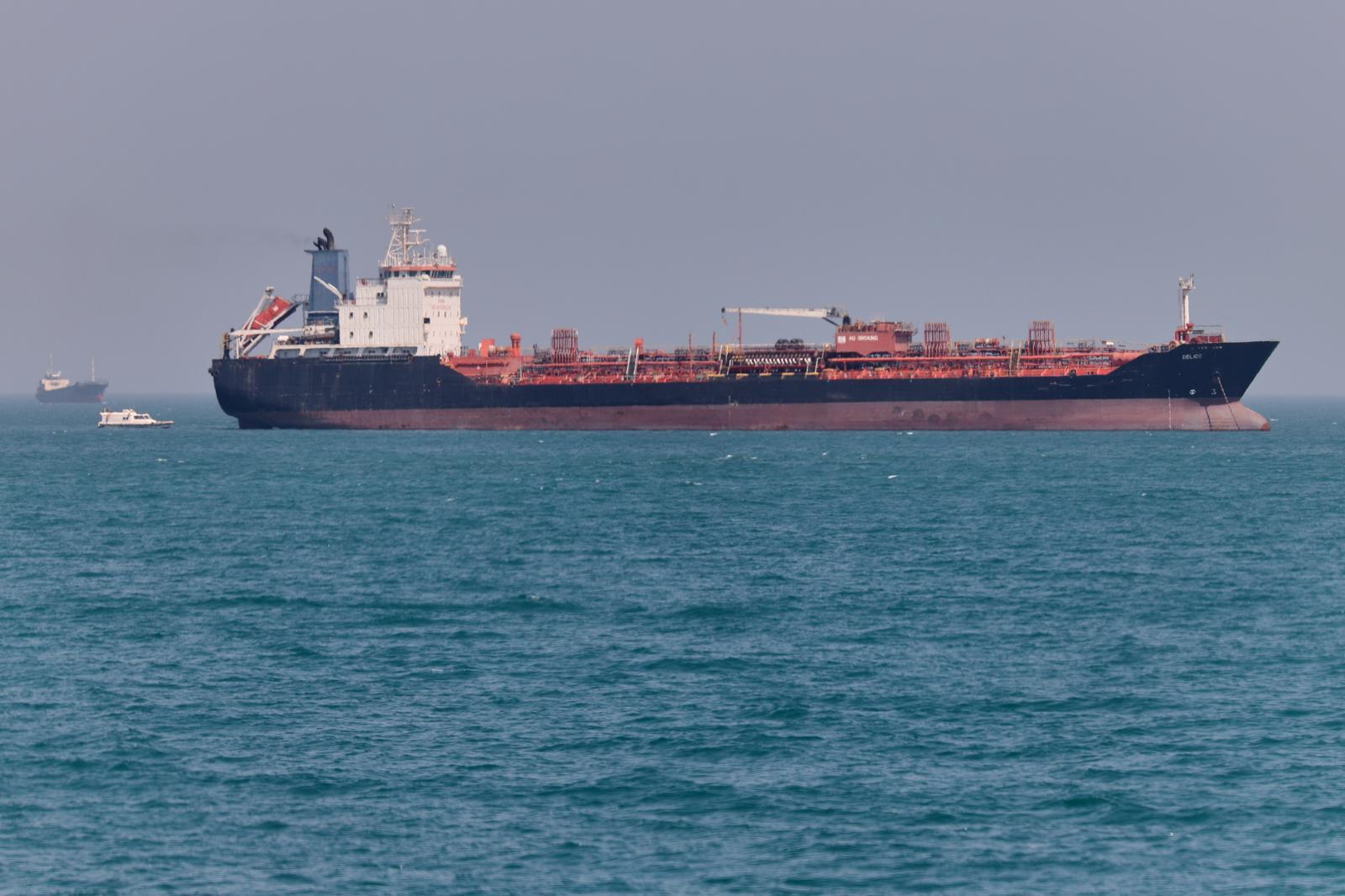
The U.S. Treasury's Office of Foreign Assets Control (OFAC) had previously announced the withdrawal of the general license. The U.S. side stated that Iran's actions in the Strait of Hormuz were "completely unacceptable" and that Iran would only receive benefits when it demonstrated "good behavior." The U.S. Central Command also announced "strong, continuous strikes" on targets within Iran, alleging that Iran had attacked merchant vessels in the Strait of Hormuz.
The U.S. violation of its promises.
The U.S. and Iran had signed a provisional MOU last month, temporarily allowing Iranian crude oil trade in exchange for Iran ensuring the safe passage of merchant ships. However, the escalating military tensions in the Strait of Hormuz are now shaking the negotiation framework aimed at exchanging nuclear talks for sanctions relief.
Iran's actions in the Strait of Hormuz were completely unacceptable, and Iran will only receive benefits when it demonstrates good behavior.
DistantNews Editorial
Originally published by Hankyoreh in Korean. Translated, summarized, and contextualized by our editorial team with added local perspective. Read our editorial standards.
More Stories


From Our Blog

What Gets Lost (and Found) When News Is Translated

The Critical Role of Diaspora Media in Global News

What Travellers Should Know About Countries with Restricted Press

A Digital Nomad's Guide to Following Local News

How the Same Story Looks Different in Different Countries
