


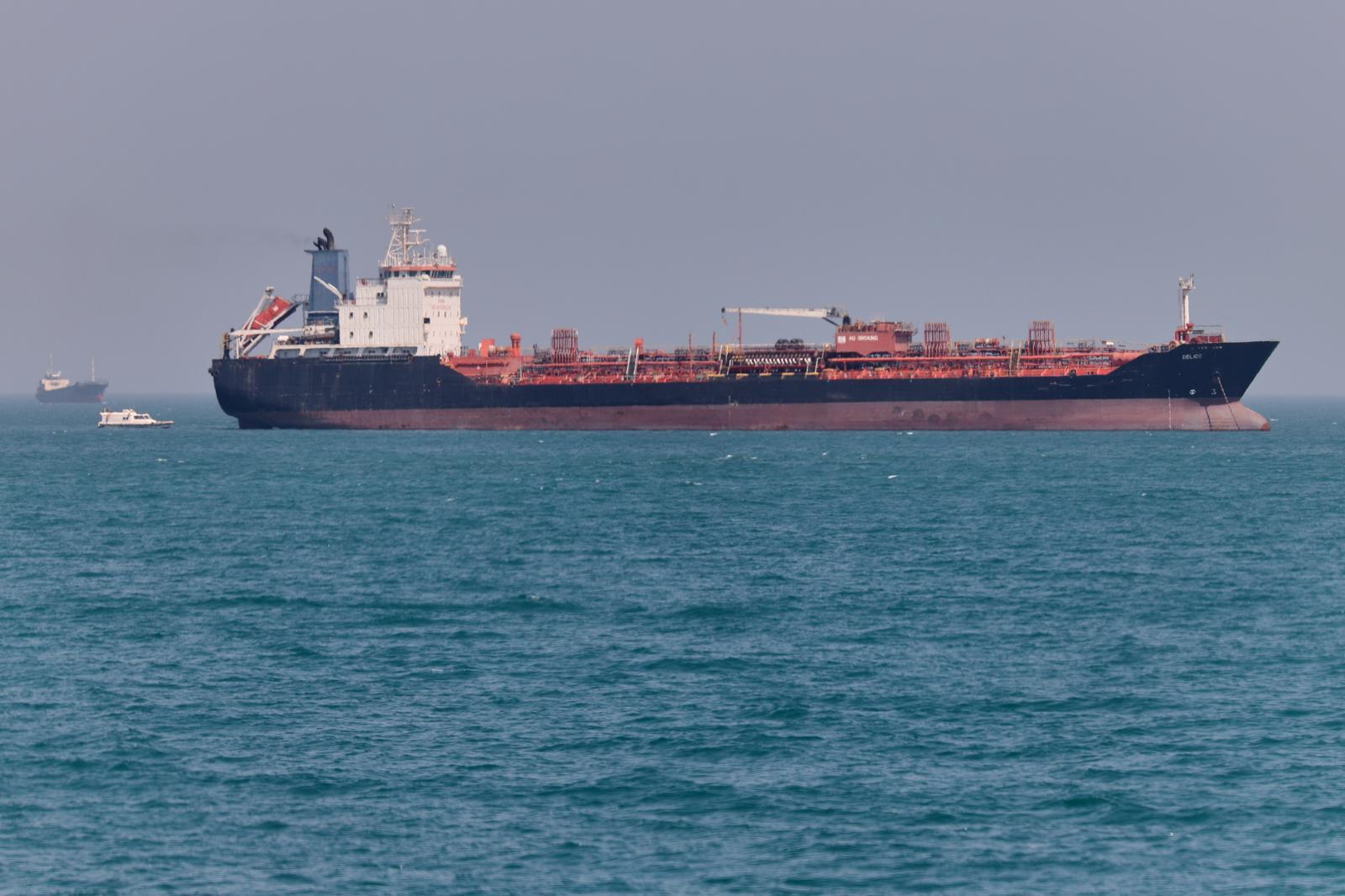
US strikes Iran targets in response to tanker attacks in Strait of Hormuz
Translated from Korean, summarized and contextualized by DistantNews.
At a glance
News
Named sources
Ongoing story
- The U.S. launched airstrikes against targets in Iran in response to attacks on three oil tankers in the Strait of Hormuz.
- The U.S. Central Command stated the strikes aimed to impose a heavy price for targeting civilian vessels and called Iran's actions a clear violation of a ceasefire.
- The U.S. also revoked temporary waivers on sanctions against Iranian oil sales, escalating tensions and potentially jeopardizing a recent tentative agreement.
The United States has resumed airstrikes against Iran, escalating tensions after a series of attacks on vessels passing through the Strait of Hormuz. The U.S. Central Command announced the strikes late Tuesday, stating they were a response to Iran's targeting of civilian ships.
"The U.S. military carried out this airstrike to impose a heavy price for actions that target innocent civilians aboard merchant ships in the Strait of Hormuz," the command said in a statement on X. It specifically identified Iran as the perpetrator of the tanker attacks, labeling the actions "unjust, dangerous, and a clear violation of the ceasefire."
The U.S. military carried out this airstrike to impose a heavy price for actions that target innocent civilians aboard merchant ships in the Strait of Hormuz.
Earlier, British authorities reported that three oil tankers were hit by shellfire in the Strait of Hormuz, with one vessel catching fire. The attacks reportedly occurred near the coast of Oman or the United Arab Emirates. In response to the aggression, the U.S. Treasury Department revoked a 60-day temporary waiver on sanctions related to Iranian oil sales that had been granted the previous month.
Iranian state television reported that an LNG tanker was attacked after ignoring warnings, though it did not identify the attacker. Analysts suggest the renewed hostilities threaten a tentative agreement reached last month. Potential consequences include difficulties in the full reopening of the Strait of Hormuz, scaling back Iran's nuclear program, and follow-up negotiations on a post-war memorandum of understanding.
Iran's aggressive actions are unjust, dangerous, and a clear violation of the ceasefire.
DistantNews Editorial
Originally published by Dong-A Ilbo in Korean. Translated, summarized, and contextualized by our editorial team with added local perspective. Read our editorial standards.
More Stories


From Our Blog

What Gets Lost (and Found) When News Is Translated

The Critical Role of Diaspora Media in Global News

What Travellers Should Know About Countries with Restricted Press

A Digital Nomad's Guide to Following Local News

How the Same Story Looks Different in Different Countries
