

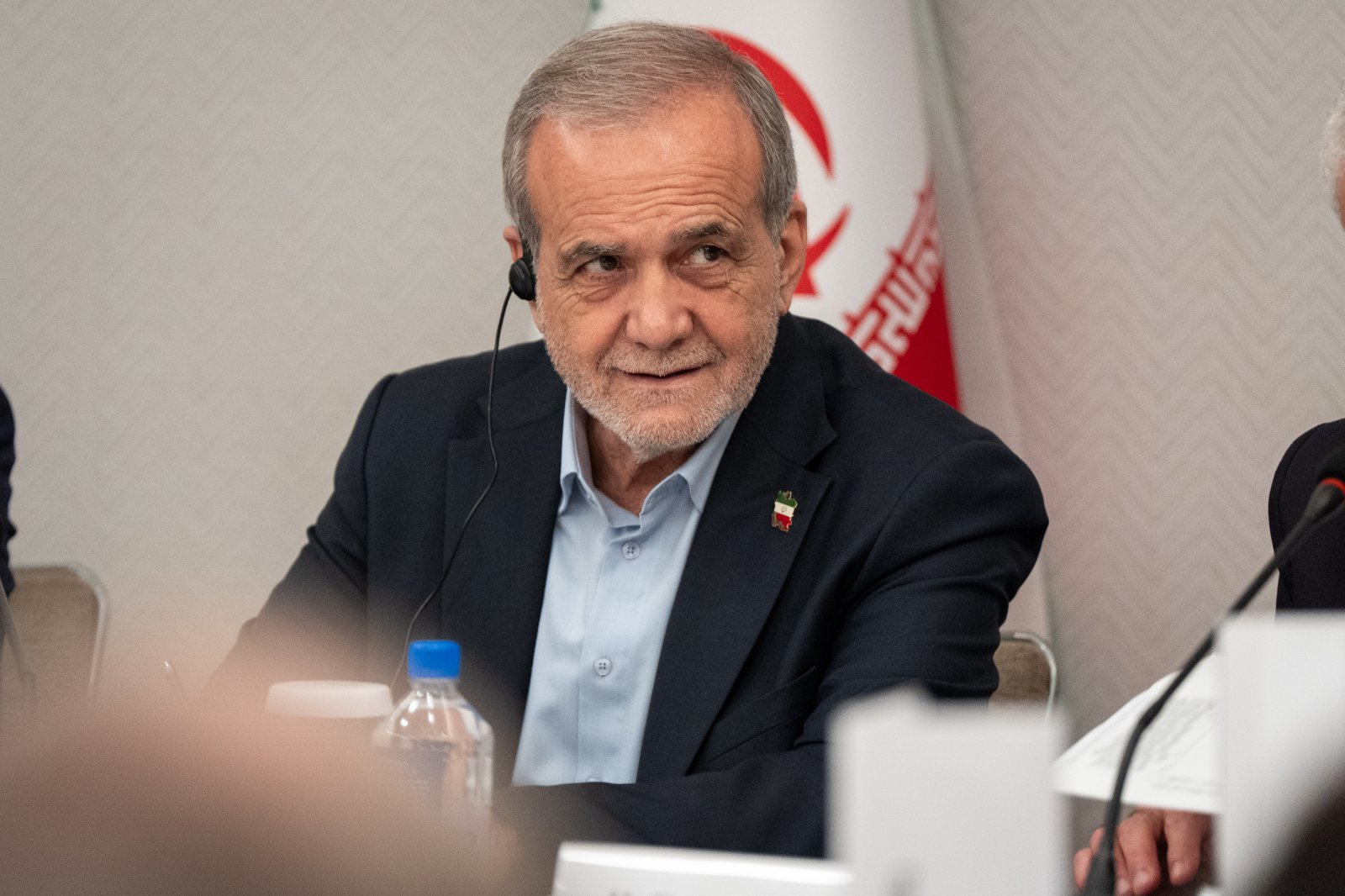
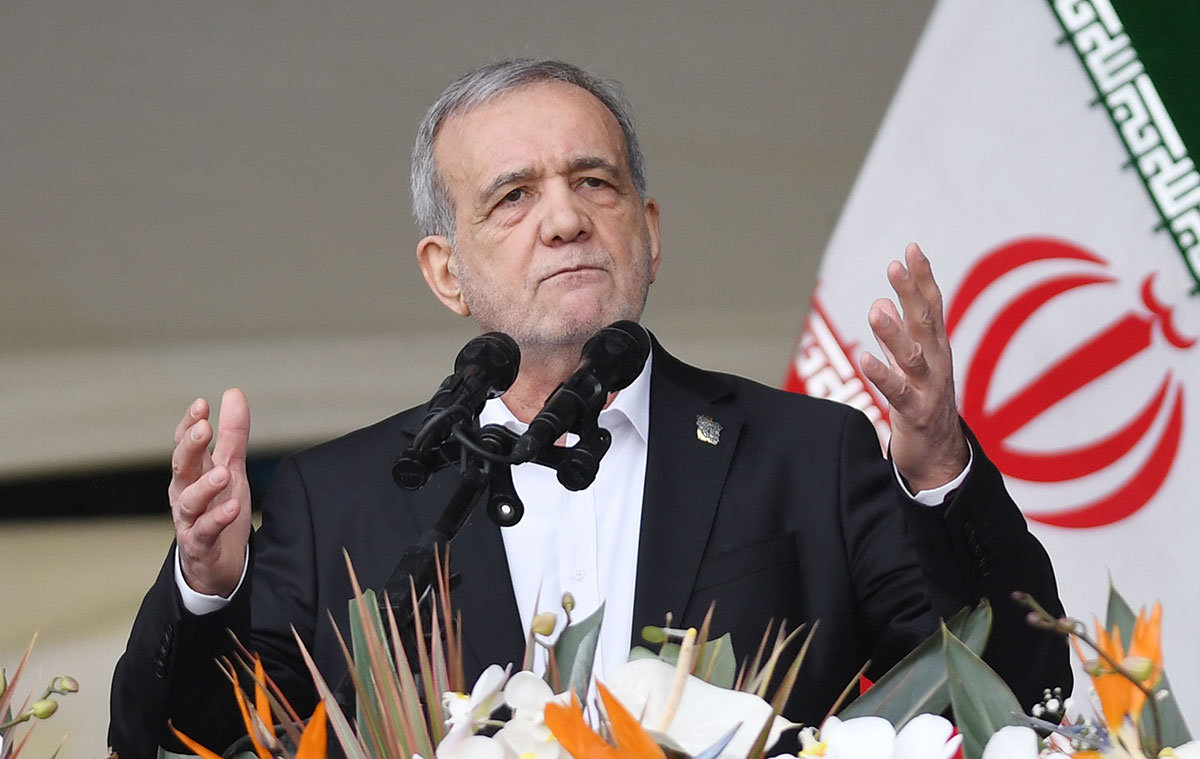
Iranian President: Communication with Supreme Leader 'very difficult'
Translated from Korean, summarized and contextualized by DistantNews.
At a glance
News
Sources not specified
Context piece
- Iranian President Masoud Pezeshkian stated that communication with the current Supreme Leader is "very difficult."
- This statement has fueled speculation about the health of the new Supreme Leader, Mojtaba Khamenei, who has not appeared publicly since his election.
- The difficulty in communication could potentially slow down decision-making on urgent national issues.
Iranian President Masoud Pezeshkian has described communication with the current Supreme Leader as "very difficult." While Pezeshkian did not elaborate on the specific meaning of this communication challenge, his remarks have led to speculation that they implicitly acknowledge reports of health issues concerning the new Supreme Leader, Ayatollah Seyed Mojtaba Khamenei. Pezeshkian made these comments during a televised national address marking his second year in office, recalling the early days of the war when former Supreme Leader Ayatollah Ali Khamenei and others were reportedly killed in U.S. airstrikes. "Currently, communication with the new Supreme Leader is very difficult," Pezeshkian stated, adding, "However, the mere existence of a new leader is a great source of strength that allows us to continue on this path." He also noted that Iran has remained steadfast, contrary to the enemy's intentions of national collapse, and that a new leader has been elected. Mojtaba Khamenei, elected as Iran's third Supreme Leader on March 8, has not made any public appearances since his election. Although he has issued statements under his name, no new photographs or audio recordings of him have been released since assuming the leadership. His absence from his father's funeral last month further intensified rumors about his health. It is understood that Mojtaba has been leading the country in a limited capacity from hiding due to the ongoing war situation and the risk of targeted attacks after succeeding his father, Ayatollah Ali Khamenei, who was also killed in the same airstrike. However, these security measures, combined with health concerns, are reportedly slowing down governance and obscuring accountability. If even the president finds it difficult to communicate with the Supreme Leader, the decision-making and implementation of urgent matters such as negotiation guidelines, military responses, and economic policies could be delayed. The influence of the Islamic Revolutionary Guard Corps, considered Mojtaba's power base, is also likely to increase. Reuters analyzes that the Revolutionary Guard supported Mojtaba's election, and their strengthened position during the war could lead to a more hardline foreign policy and domestic control.
DistantNews Editorial
Originally published by Dong-A Ilbo in Korean. Translated, summarized, and contextualized by our editorial team with added local perspective. Read our editorial standards.
More Stories

From Our Blog

What Gets Lost (and Found) When News Is Translated

The Critical Role of Diaspora Media in Global News

What Travellers Should Know About Countries with Restricted Press

A Digital Nomad's Guide to Following Local News

How the Same Story Looks Different in Different Countries
