


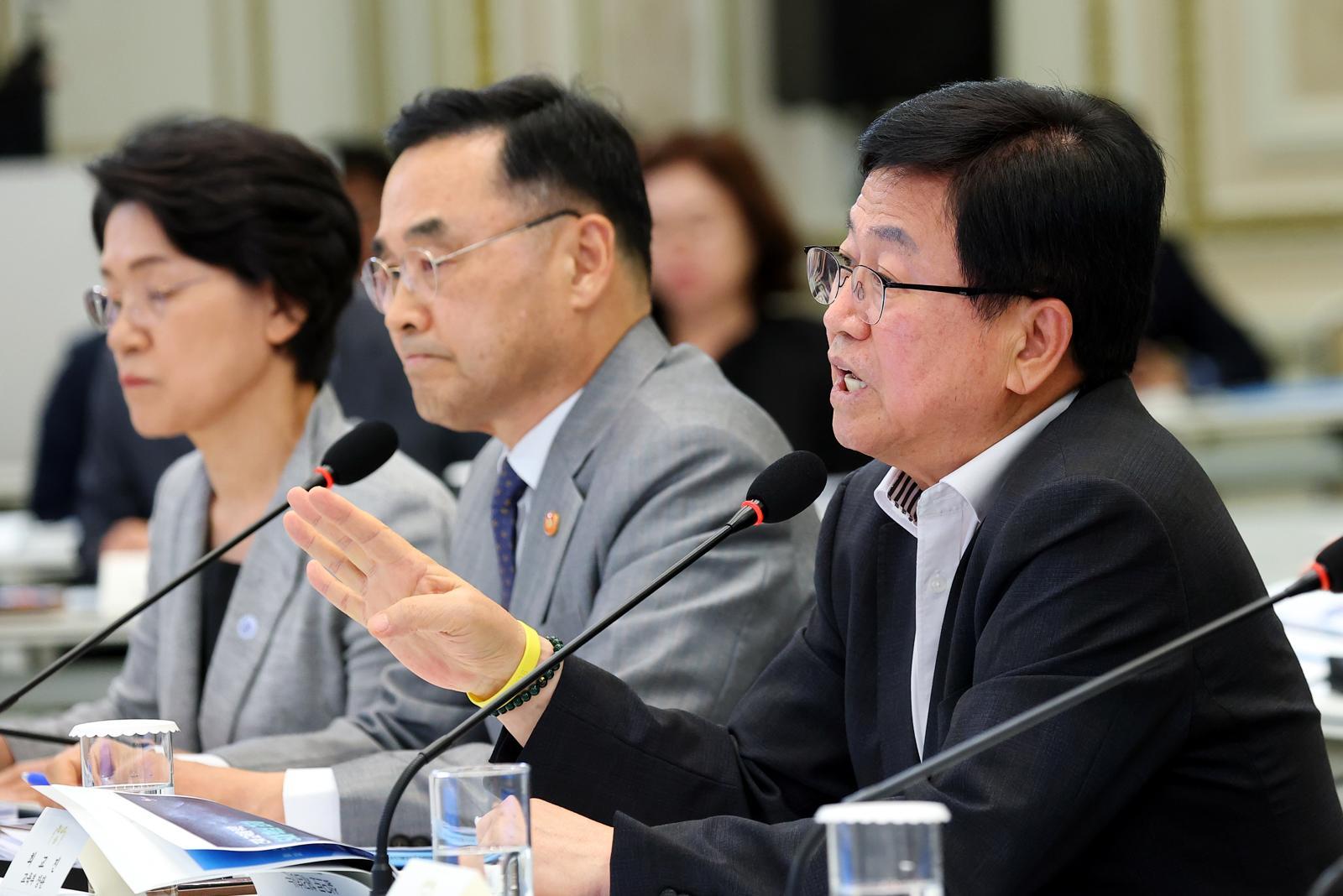
Proposed scholarship for provincial public universities sparks concerns over private institutions
Translated from Korean, summarized and contextualized by DistantNews.
At a glance
Opinion
Sources not specified
New plan
- South Korea's Education Ministry is considering a new national scholarship for students at provincial public universities, starting as early as next year.
- The proposed 'Regional Balanced Scholarship' aims to encourage talented individuals to settle in their home regions.
- Critics argue that excluding private universities from this scholarship program is unreasonable and could worsen the financial struggles of these institutions.
South Korea's Ministry of Education is exploring the creation of a new national scholarship program, tentatively named the 'Regional Balanced Scholarship,' aimed at students attending provincial public universities. Announced during a government briefing on August 5, 2026, the initiative seeks to provide a foundation for talented individuals nurtured in regional areas to remain and contribute to their communities after graduation.
The ministry is expected to finalize the scholarship's scale and budget details this month. Plans include the possibility of offering full scholarships to eligible students. If implemented for all 60,000 new students entering 30 provincial public universities next year, the estimated additional annual budget required for full support across all four years of study would be approximately 400 billion won ($300 million).
While the government views fostering provincial universities as crucial for balanced national development and regional survival, critics question the exclusion of private universities from the scholarship's scope. Dong-A Ilbo argues that this approach is irrational, as it would unfairly sideline the majority of regional university students and communities from potential benefits. The exclusion of private institutions, which educate 80% of higher education students, is seen as discriminatory, especially given their existing financial constraints.
Provincial private universities are reportedly facing severe financial difficulties, with many struggling to meet even an 80% enrollment rate due to declining student populations. The reliance on tuition fees, which constitute about half of their revenue, makes them particularly vulnerable to enrollment drops. While the government has pledged to expand existing scholarship support for outstanding students in private universities, critics contend that this falls short compared to the proposed new scholarship's scale. Concerns are also raised that concentrating government funding on public universities could create an unbridgeable gap between national and private institutions, potentially leading to a decline in educational quality if financial aid is prioritized over faculty recruitment and curriculum innovation.
DistantNews Editorial
Originally published by Dong-A Ilbo in Korean. Translated, summarized, and contextualized by our editorial team with added local perspective. Read our editorial standards.
More Stories

From Our Blog

What Gets Lost (and Found) When News Is Translated

The Critical Role of Diaspora Media in Global News

What Travellers Should Know About Countries with Restricted Press

A Digital Nomad's Guide to Following Local News

How the Same Story Looks Different in Different Countries
