


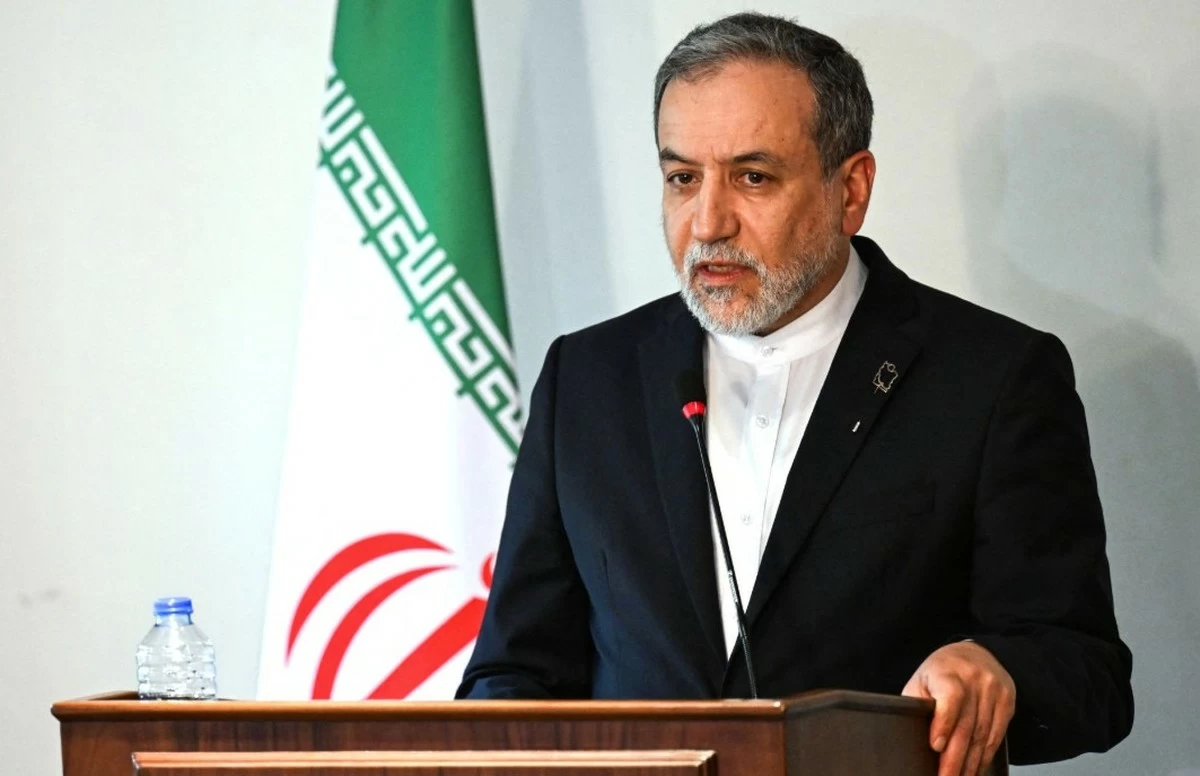
Iranian Regime Tells Foreign Militaries to Leave Gulf Area or Face Risks After Alleged Downing of US Apache
Summarized and contextualized by DistantNews.
At a glance
News
Named sources
Ongoing story
- Iran's Foreign Minister warned foreign militaries to leave the Gulf region or face risks, following the alleged downing of a US Apache helicopter.
- The minister stated the Strait of Hormuz is not international waters but a shared waterway, emphasizing Iran's readiness to defend its borders.
- Iran prefers diplomacy but warned it can "speak other languages" if necessary, amid heightened US-Iran tensions.
Iranian Foreign Minister Abbas Araghchi issued a stern warning to foreign military forces operating near Iran's territory, urging them to depart the Gulf region promptly or face "significant risks." This declaration follows U.S. President Donald Trump's claim that Iran had shot down a U.S. Army Apache helicopter over the Strait of Hormuz, a move that has escalated tensions between the two nations.
The Strait of Hormuz is not international waters but a waterway shared by Iran and Oman, stressing that maritime boundaries in the area are “crystal clear.”
Araghchi asserted on the social media platform X that the Strait of Hormuz is not international waters but a shared waterway between Iran and Oman. He stressed that maritime boundaries in the area are "crystal clear." He further stated that Iran's armed forces are on constant alert to counter any violations of the country's airspace, territorial waters, or land borders.
Foreign forces in proximity to our territory are at constant risk on account of their own human errors, plain accidents, or potentially being caught in crossfire.
"Foreign forces in proximity to our territory are at constant risk on account of their own human errors, plain accidents, or potentially being caught in crossfire," Araghchi wrote. He proposed that the most effective way to mitigate these risks would be for foreign forces to withdraw from the region as swiftly as possible, describing the environment as "never be hospitable to a hostile presence."
To reduce risk, the best solution is for foreign forces to exit, as soon as possible, an environment which will never be hospitable to a hostile presence.
While emphasizing Iran's preference for diplomatic solutions, Araghchi also conveyed a veiled threat. "Iran prefers the language of diplomacy. However, as our brave warriors have shown to the world, we know how to speak other languages too," he stated. The remarks underscore the volatile situation in the Gulf, where any miscalculation could lead to wider conflict.
Iran prefers the language of diplomacy. However, as our brave warriors have shown to the world, we know how to speak other languages too.
DistantNews Editorial
Originally published by Arab Times. Summarized and contextualized by our editorial team with added local perspective. Read our editorial standards.
More Stories

From Our Blog

What Gets Lost (and Found) When News Is Translated

The Critical Role of Diaspora Media in Global News

What Travellers Should Know About Countries with Restricted Press

A Digital Nomad's Guide to Following Local News

How the Same Story Looks Different in Different Countries
