


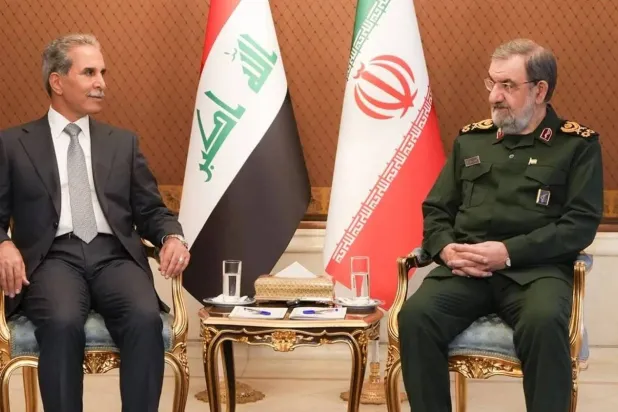
Iraq’s Ruling Coalition Discusses Arrests of Armed Faction Members
Summarized and contextualized by DistantNews.
At a glance
News
Named sources
Under investigation
- Israeli military restricts movement in and out of three Lebanese Christian towns, requiring pre-arranged convoys and registration.
- Residents are confined to Rmeish, Debel, and Ain Ebel, with UNIFIL and the Lebanese army escorting supplies and travelers.
- The Vatican has reportedly asked the U.S. to intervene amid concerns over the restrictions, which do not affect nearby Marjayoun villages.
Israeli forces have imposed strict movement restrictions on three Christian towns in southern Lebanon, effectively encircling Rmeish, Debel, and Ain Ebel in the Bint Jbeil district. Residents are confined to these areas and must travel in organized convoys along a single route through Naqoura, requiring advance registration of vehicles and travelers.
The United Nations Interim Force in Lebanon (UNIFIL) and the Lebanese army are coordinating the escorted convoys, which are the sole means for relief, medical supplies, and residents to enter or leave the besieged towns. The process involves detailed coordination with Israeli forces to ensure passage, with UNIFIL vehicles accompanying travelers from Qlayleh to the villages.
These measures have drawn international attention, with reports indicating the Vatican has appealed to the United States to intervene and prevent Israel from limiting the movement of residents. The restrictions specifically target the Christian villages in the Bint Jbeil district, while nearby villages in the Marjayoun district remain unaffected, allowing for freer travel.
Meanwhile, Israeli forces have continued destructive activities in other areas, including bulldozing towns and destroying homes within the 'yellow line.' Reports from a senior security source suggest the use of explosives around homes in occupied villages, adding to the ongoing tensions and destruction in the region.
no vehicle may travel alone.
DistantNews Editorial
Originally published by Asharq Al-Awsat. Summarized and contextualized by our editorial team with added local perspective. Read our editorial standards.
More Stories


From Our Blog

What Gets Lost (and Found) When News Is Translated

The Critical Role of Diaspora Media in Global News

What Travellers Should Know About Countries with Restricted Press

A Digital Nomad's Guide to Following Local News

How the Same Story Looks Different in Different Countries
