

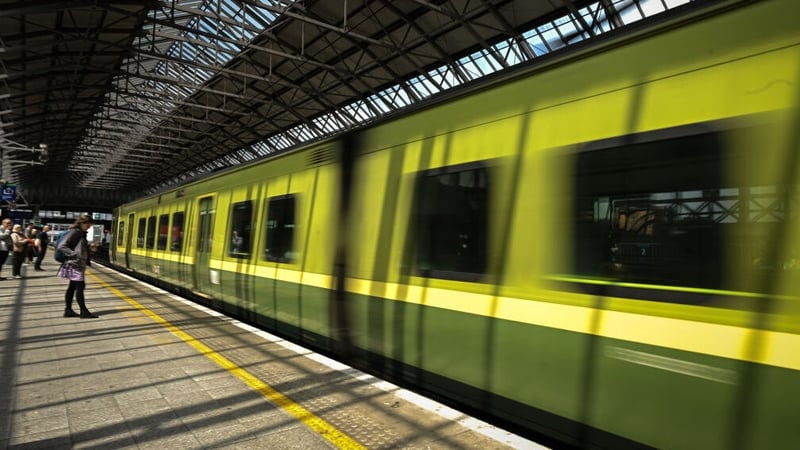

Irish Rail Commuters Face Long Delays as a Result of Signalling Failure in Dublin
Translated from English, summarized and contextualized by DistantNews.
At a glance
News
Sources not specified
Outcome reported
- A significant signalling issue in Dublin caused major delays across Irish Rail's network on Thursday afternoon.
- The power supply fault affected services between Lansdowne Road and Donabate, leading to delays of over 80 minutes.
- While the issue was resolved within an hour, knock-on delays are expected to continue throughout the afternoon.
Irish Rail commuters experienced considerable disruption on Thursday afternoon due to a "big signalling issue" in Dublin. The fault, which stemmed from a power supply problem, affected services operating between Lansdowne Road and Donabate, causing significant delays across the rail network.
Passengers were warned to expect delays of over 80 minutes, with knock-on effects anticipated on services to and from Connolly Station. Irish Rail stated that staff were actively working to rectify the situation and that the safety of passengers and staff was their primary concern. Services were only moved to platforms once deemed safe.
Barry Kenny, a spokesperson for Irish Rail, informed The Irish Times that the signalling fault was identified and quickly resolved. Power was restored to the DART service within approximately an hour. Although trains began running again, the operator cautioned that delays would likely persist as the day progressed.
The disruption commenced shortly after 12:30 PM. While the immediate issue was resolved, the cascading delays meant that normal service patterns were not expected to return to the network until later in the afternoon. The incident underscored the impact of infrastructure failures on public transportation reliability.
The safety of our passengers and staff is our primary concern and services will be moved to platforms once deemed safe to do so.
DistantNews Editorial
Originally published by Irish Times in English. Translated, summarized, and contextualized by our editorial team with added local perspective. Read our editorial standards.
More Stories


From Our Blog

What Gets Lost (and Found) When News Is Translated

The Critical Role of Diaspora Media in Global News

What Travellers Should Know About Countries with Restricted Press

A Digital Nomad's Guide to Following Local News

How the Same Story Looks Different in Different Countries
