

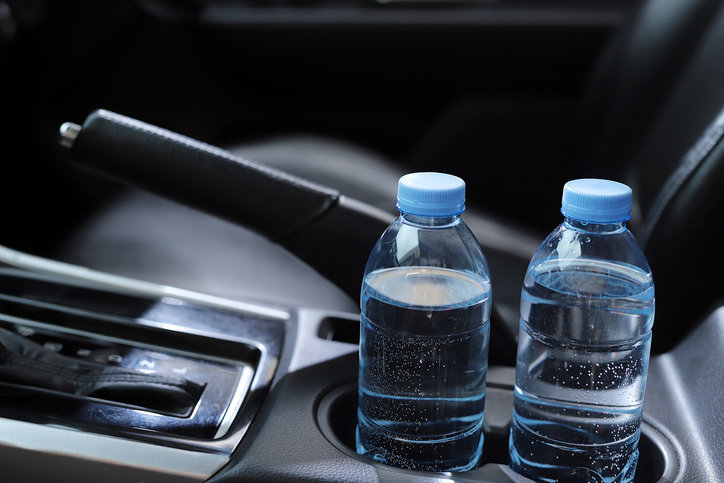
Is Bottled Water Safe to Drink After Being Left in a Hot Car?
Translated from Korean, summarized and contextualized by DistantNews.
At a glance
Explainer
Sources not specified
Context piece
- Drinking bottled water left in a hot car is not recommended due to potential leaching of microplastics and heavy metals like antimony.
- Vehicle interiors can heat up rapidly, reaching temperatures around 47°C even on cooler days, significantly increasing the risk of chemical leaching from plastic bottles.
- While most bottled water stays within international safety standards for antimony, repeated exposure to heat and reusing bottles can increase risks from microplastics and bacterial contamination.
Concerns are rising about the safety of drinking bottled water that has been left in a hot car, especially during summer travel. While most single-use plastic water bottles in Korea are made from PET (polyethylene terephthalate), which has low environmental hormone leaching concerns, prolonged exposure to high temperatures inside vehicles can cause microplastics and heavy metals like antimony to leach into the water.
Studies indicate that water is best stored below 21°C, with an ideal range of 10-21°C. However, car interiors can heat up dramatically. Research from Stanford University School of Medicine and San Francisco State University found that on sunny days, car interiors can rise about 22°C above the outside temperature within an hour. Even on a relatively cool day with an external temperature of 22°C, the interior could reach 47°C, with 80% of the temperature increase occurring in the first 30 minutes. Leaving windows slightly open offers minimal protection.
Recent research has focused on the potential health impacts of micro- and nanoplastics. Studies have detected these particles in human tissues, including the brain, liver, and kidneys, with concentrations increasing over time. Microplastics have also been found in placentas, blood, lungs, and other bodily fluids. Some research suggests a correlation between microplastic presence and increased risk of heart attack, stroke, and death, though direct causal links in humans are still under investigation.
Antimony, a metal used in PET bottle manufacturing, is another concern. While studies show antimony levels increase with temperature, most bottled water remains below the World Health Organization's guideline of 20 μg per liter. However, high concentrations can cause nausea, vomiting, and diarrhea. Furthermore, reusing disposable water bottles is strongly discouraged. Disposable bottles are not designed for repeated use and can harbor bacteria, especially if not cleaned properly, leading to a higher risk of bacterial contamination than microplastic exposure. Experts advise against habitually drinking water from bottles repeatedly exposed to high heat and recommend storing water in cool, shaded places, consuming it promptly if it has been in a car, and opting for reusable stainless steel or glass bottles.
DistantNews Editorial
Originally published by Dong-A Ilbo in Korean. Translated, summarized, and contextualized by our editorial team with added local perspective. Read our editorial standards.
More Stories

From Our Blog

What Gets Lost (and Found) When News Is Translated

The Critical Role of Diaspora Media in Global News

What Travellers Should Know About Countries with Restricted Press

A Digital Nomad's Guide to Following Local News

How the Same Story Looks Different in Different Countries
