

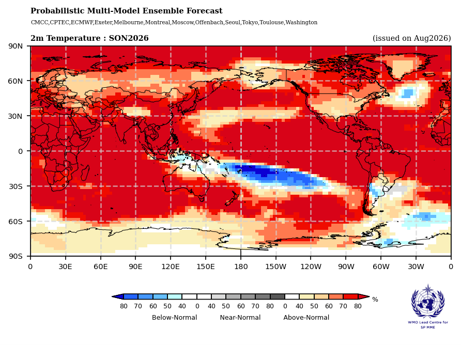

Is extreme heat in Zacapa abnormal?
Translated from Spanish and summarized by DistantNews. Read the original for the full story.
At a glance
News
Named sources
Context piece
- Zacapa, Guatemala is experiencing extreme heat and drought, severely reducing the water levels in the Grande River.
- Residents are struggling with water scarcity and intense heat, resorting to measures like using shade nets and rationing water.
- Meteorologists are monitoring the extreme weather conditions, which are impacting daily life and forcing adaptations.
The Zacapa region of Guatemala is enduring an extreme heatwave, turning the once-mighty Grande River into a mere trickle during the dry season. Residents are facing severe water scarcity, with only a few able to access the river's remaining dirty water. Birds can be seen wading in the shallow water, a stark contrast to the human struggle for survival under the relentless sun.
Daily life is dictated by the intense heat, often exceeding 36 degrees Celsius. Manuel Méndez from La Fragua village described how his family installed a polyethylene shade net over their patio to protect their home from the scorching sun, likening the interior to an 'oven' during the hottest hours. They have no well and must purchase water weekly, highlighting the critical shortage.
The shade net has been an option here in Zacapa for several years. You will see that many houses have them in their patios or over their roofs, because everything heats up. Inside my house, from noon to 3 PM, it's like an oven. Being inside is almost impossible, and we better go out to the corridor to have lunch and cool off.
Many homes in Zacapa have adopted shade nets as a common practice to mitigate the heat. Méndez notes that even with these measures, staying indoors between noon and 3 PM is almost unbearable. Neighbors are improvising with sponges on roofing to reduce indoor temperatures. On the roads, women commonly use umbrellas from 10 AM onwards to shield themselves from the sun, and carrying water bottles with ice is essential for hydration.
Laura Castro, another resident of La Fragua, teaches her children to manage the heat by applying ice packs to their foreheads and cheeks upon returning from school to prevent fainting. Meanwhile, at a monitoring center near La Fragua, meteorologist Mauro Raúl Chacón of the National Institute of Seismology, Volcanology, Meteorology, and Hydrology (Insivumeh) diligently checks weather instruments hourly, documenting the extreme conditions.
When my children return from studying, I receive them with ice bags, which they place on their foreheads or cheeks. It's to cool them down and prevent them from fainting.
About this summary
Originally published by Prensa Libre in Spanish. Translated, summarized, and contextualized automatically by DistantNews, with a note on how the source frames the story. Not individually reviewed before publishing. How this works.
More Stories


From Our Blog

News in Translation: What Gets Lost, and How We Keep the Framing

Diaspora Media: How Communities Abroad Follow Home

Traveling Where the Press Is Not Free: How to Read the News There

The Digital Nomad's Guide to Local News

The Same Story, Different Countries: How Coverage Changes at the Border
