


Wildfires Consume Over 24,000 Hectares in Guatemala Amidst Heat and El Niño
Translated from Spanish and summarized by DistantNews. Read the original for the full story.
At a glance
News
Named sources
Context piece
- Over 24,000 hectares of forest have been destroyed by wildfires in Guatemala this season, exacerbated by high temperatures and El Niño.
- The prolonged fire season, typically ending in April, has extended into May and June due to unusual weather patterns.
- The Sierra de las Minas, a vital water source for hundreds of communities, is severely impacted, with experts estimating over 90% of fires are human-caused.
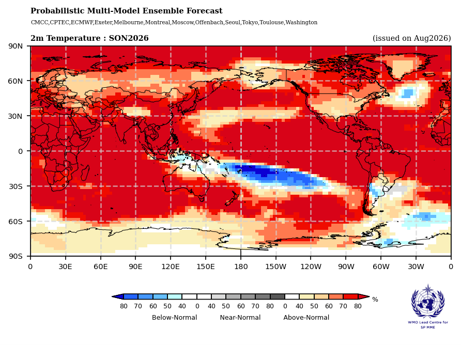
Guatemala is facing an alarming wildfire season, with over 24,495 hectares of forest already reduced to ashes by May 18, 2026. This year's fire season has been particularly brutal, extending beyond its usual November-to-April timeframe and intensifying due to a critical combination of soaring temperatures and the unpredictable influence of the El Niño phenomenon. The current budget allocated for emergency response, Q56 million, appears increasingly insufficient against the scale of the devastation.
In April, we had some rains nationwide, but the season is lengthening for us. Now in May, it has been quite critical for us... And looking at the climate news, with the El Niño phenomenon bringing much higher temperatures and little rain, we are facing a complicated scenario in terms of fires.
Specialists like Iván Soberanis from the Defensores de la Naturaleza Foundation describe the situation as "complicated," noting that the shift in the fire season, with significant activity now occurring in May and June, is directly linked to climate variability. The El Niño effect is predicted to bring even higher temperatures and reduced rainfall, portending a difficult period ahead for wildfire management. The impact on the Sierra de las Minas reserve is especially concerning. This critical ecosystem, the second-largest in the country, serves as the source for approximately 63 rivers that supply water to over 200 communities, impacting roughly 300,000 inhabitants. The destruction threatens water availability for consumption and agriculture, alongside the loss of vital flora and fauna habitats.
The Sierra de las Minas is the second largest reserve in the country and is a water bank; about 63 rivers originate there, supplying more than 200 communities (about 300,000 inhabitants). The social impact implies a reduction of water for consumption and agricultural use, as well as the destruction of flora and fauna habitats.
Compounding the crisis is the assertion that "more than 90% of the fires are provoked." In areas like Petén, the director of the Sierra Lacandón National Park, Gloria Leticia Espina, states that fires are deliberately set as a tactic to claim land. "Fires in Petén are 100% provoked," she asserts, explaining that individuals clear small areas and then set them ablaze during the dry season to facilitate land appropriation within protected zones. Efforts to combat these fires include daily satellite monitoring of "hot spots" by agencies like Conred and Inab, with ground verification conducted twice daily. However, the persistent human element behind these blazes presents a significant challenge to conservation efforts.
The fires in Petén are 100% provoked. The forests here do not catch fire on their own... The phenomenon is that people enter the area, deforest small spaces so that when summer arrives, they set fire to it. The park has had a lot of pressure in recent years from people who wanted to enter the territory. That is, the fire is regularly a matter of entering protected areas to appropriate certain spaces.
About this summary
Originally published by Prensa Libre in Spanish. Translated, summarized, and contextualized automatically by DistantNews, with a note on how the source frames the story. Not individually reviewed before publishing. How this works.
More Stories


From Our Blog

News in Translation: What Gets Lost, and How We Keep the Framing

Diaspora Media: How Communities Abroad Follow Home

Traveling Where the Press Is Not Free: How to Read the News There

The Digital Nomad's Guide to Local News

The Same Story, Different Countries: How Coverage Changes at the Border
