


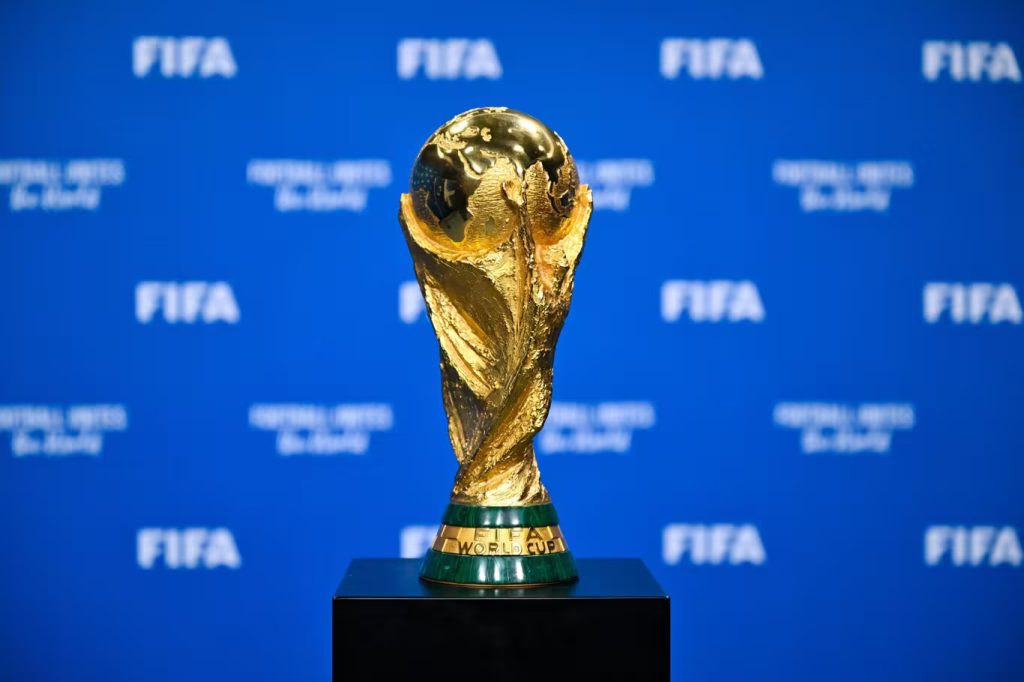
Is FIFA Selling the World Cup? 5 Things to Know
Translated from English, summarized and contextualized by DistantNews.
At a glance
News
Named sources
Under investigation
- FIFA has clarified it is not selling the FIFA World Cup, addressing proposals for a new commercial subsidiary, FIFA Football Enterprises (FFE).
- The FFE aims to attract external investors to enhance commercial operations and generate revenue for global football development.
- Investors will own shares in the subsidiary, not FIFA itself, and will have no influence on football governance decisions.
FIFA has moved to dispel rumors that it is selling the FIFA World Cup, following the announcement of a plan to establish a new commercial entity. This proposed subsidiary, named FIFA Football Enterprises (FFE), is designed to secure the financial future of global football by attracting external investment.
The FIFA World Cup is not for sale.
FIFA stressed that neither the World Cup nor its governance structures are for sale. The FFE's sole purpose is to bolster the management of FIFA's commercial activities and increase revenue streams dedicated to football development worldwide. According to FIFA, this additional funding could support various initiatives, including infrastructure projects like stadiums and training centers through programs like the FIFA Fast Forward Programme.
Crucially, FIFA has stated that investors in the FFE will not have any say in football's decision-making processes. Matters such as competition formats, event frequency, and tournament expansion will remain exclusively under the purview of FIFA's Congress and Council. Investors would acquire stakes solely in the FFE, not in FIFA itself, with potential future sales managed through FIFA-supervised tenders. FIFA aims to prioritize long-term investors aligned with its mission to grow the sport.
Investors will have no say in football decisions.
The proposal is currently undergoing a consultation process with FIFA's Member Associations and the FIFA Council, with a final decision pending their approval. If endorsed, the FFE would operate as another FIFA-owned subsidiary focused on commercial rights and event operations. FIFA maintains that this new structure would not alter its fundamental responsibilities as the global governing body for football, ensuring continued oversight of the sport's governance and development.
Investors will own shares in the commercial subsidiary, not FIFA.
DistantNews Editorial
Originally published by Vanguard in English. Translated, summarized, and contextualized by our editorial team with added local perspective. Read our editorial standards.
More Stories


From Our Blog

How the Same Story Looks Different in Different Countries

What Gets Lost (and Found) When News Is Translated

The Critical Role of Diaspora Media in Global News

What Travellers Should Know About Countries with Restricted Press

A Digital Nomad's Guide to Following Local News
