


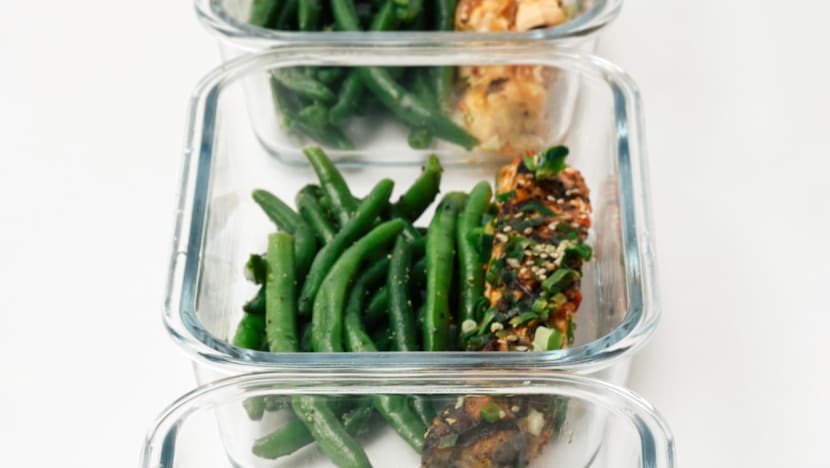
Is it okay to eat the same things every day? The pros and cons of food monotony
Summarized and contextualized by DistantNews.
At a glance
News
Named sources
Context piece
- Eating the same meals daily can simplify routines and aid weight management but risks nutritional deficiencies if meals are unhealthy.
- Experts recommend balanced meals with protein, carbohydrates, and healthy fats for those practicing food monotony.
- While some repeat meals for preference or weight control, adding variety can ensure a healthier, more nutrient-dense diet.
Consistently eating one or more of the same meals daily, a practice known as "food monotony," can streamline daily life, assist in weight management, and alleviate the mental burden of menu planning, shopping, and cooking. However, experts caution that this habit can lead to nutritional deficiencies if the repetitive meals predominantly consist of ultra-processed items or high-fat, sugary, or salty snacks, rather than wholesome foods.
I can think of worse things than eating the same meal over and over again, if it’s balanced and healthy
Nutrition experts emphasize that "balanced" meals include a protein, a carbohydrate, and a healthy fat, making them "nutrient dense." For instance, a daily breakfast of yogurt or oatmeal with fresh fruit is considered healthier than bacon, eggs, and hash browns. Similarly, a lunchtime salad surpasses a ham sandwich on white bread, and grilled chicken or fish with vegetables and brown rice is preferable to a burger and fries for dinner.
If you have blueberries in your yoghurt one morning, have strawberries or a banana the next, or mix in some oats or nuts
People adopt food monotony for various reasons, including simple preference. Others employ it as a strategy for weight loss or control; one study indicated that adults who ate the same meals daily lost more weight over 12 weeks than those on a varied diet. Decision fatigue, especially when planning meals for others, also contributes to this practice.
Have a peanut butter and jelly sandwich one day and grilled cheese or turkey the next day
To maintain a healthy diet while repeating meals, experts suggest incorporating minor variations. For example, alternating fruits in yogurt or adding oats and nuts can enhance nutritional intake. If sandwiches are a staple, switching fillings like peanut butter and jelly for grilled cheese or turkey can introduce variety. However, consuming excessive amounts of any single food can lead to overexposure to harmful substances, such as mercury in fish, or unhealthy nutrients.
It may be nothing more complicated than that
DistantNews Editorial
Originally published by CNA. Summarized and contextualized by our editorial team with added local perspective. Read our editorial standards.
More Stories


From Our Blog

What Gets Lost (and Found) When News Is Translated

The Critical Role of Diaspora Media in Global News

What Travellers Should Know About Countries with Restricted Press

A Digital Nomad's Guide to Following Local News

How the Same Story Looks Different in Different Countries
