


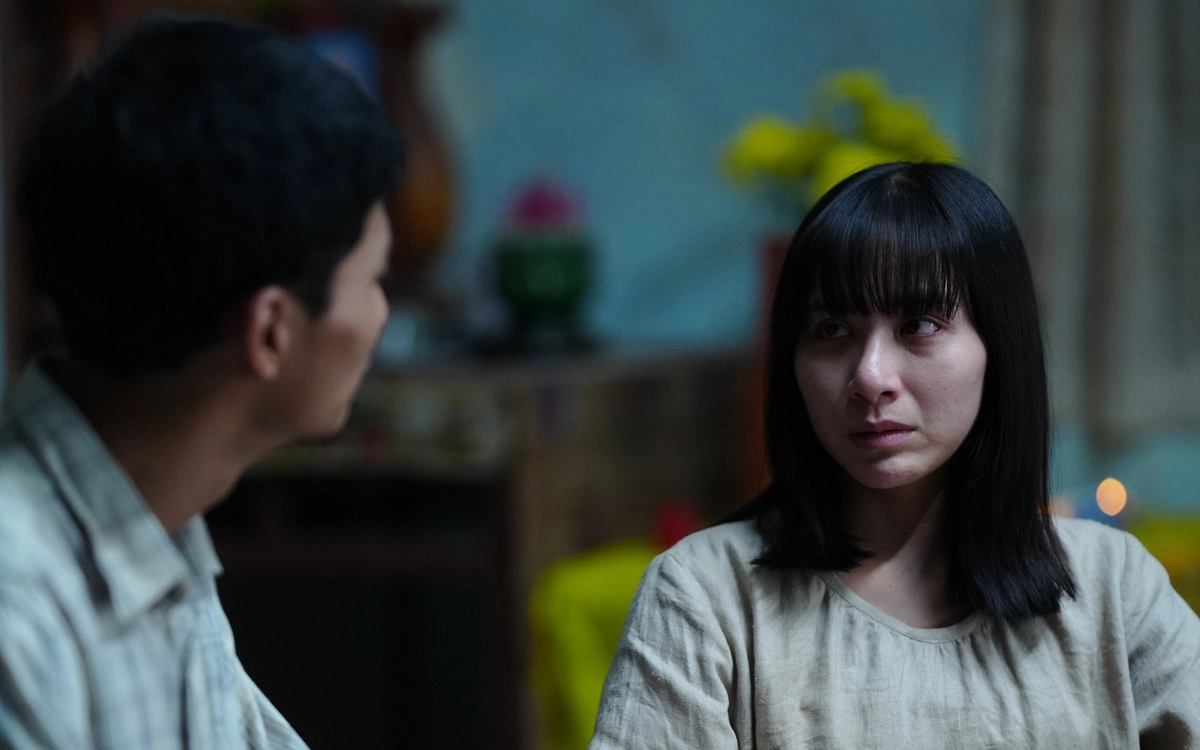
Is 'Ma xó' Restoring Faith in Vietnamese Horror Films?
Translated from Vietnamese, summarized and contextualized by DistantNews.
At a glance
News
Sources not specified
New plan
- The Vietnamese horror film "Ma xó" has unexpectedly topped the box office, earning over 93 billion VND in its first eight days.
- This success marks a turnaround for the Vietnamese horror genre, which had seen disappointing results from recent films like "Thẩm mỹ viện âm phủ."
- "Ma xó" focuses on familiar themes of folk fear and local spirituality to highlight a family love story, a common trope in Vietnamese cinema.
The Vietnamese horror film "Ma xó" has surged to the top of the box office, surprising many by surpassing the popular "Doraemon: Nobita and the Sea of Monsters" in its opening weeks. Directed by Phan Bá Hỷ, the film has garnered over 93 billion VND (approximately $3.6 million USD) in its first eight days, including previews, and commands a significant number of screenings nationwide.
This box office triumph is particularly noteworthy given the recent struggles of the Vietnamese film industry, especially in the horror genre. For much of May, foreign films dominated ticket sales. Even within the horror category, which was once a lucrative market for Vietnamese cinema, recent releases have faltered. "Thẩm mỹ viện âm phủ" (Beauty Clinic of the Underworld), starring Ngọc Trinh and Xuân Lan, failed to impress audiences with its weak script and unconvincing acting, ultimately grossing only around 13 billion VND.
Critics attributed the failure of "Thẩm mỹ viện âm phủ" to its flimsy plot, unconvincing performances, and a perceived artificial depiction of ghosts, coupled with excessive jump scares. In contrast, "Ma xó" has managed to capture audience attention despite not introducing entirely new concepts. Instead, it relies on well-established elements of Vietnamese folk fear and local spirituality to underscore its central family love story.
The film revolves around a poor couple, Phú (Avin Lu) and Thảo (Tín Nguyễn), who face the potential loss of their unborn child. In their desperation, they turn to Bà Tánh (Lê Khánh) and follow her advice to perform a "ma xó" ritual, hoping to protect the fetus. This narrative, while using familiar elements, seems to have resonated with audiences, leading many to suggest that "Ma xó" is helping to restore faith in Vietnamese horror filmmaking after a period of controversy and underperformance.
DistantNews Editorial
Originally published by Tuổi Trẻ in Vietnamese. Translated, summarized, and contextualized by our editorial team with added local perspective. Read our editorial standards.
More Stories


From Our Blog

What Gets Lost (and Found) When News Is Translated

The Critical Role of Diaspora Media in Global News

What Travellers Should Know About Countries with Restricted Press

A Digital Nomad's Guide to Following Local News

How the Same Story Looks Different in Different Countries
