

Is Malaysia Ready for a General Election Now?
Translated from Malay, summarized and contextualized by DistantNews.
At a glance
Analysis
Sources not specified
Context piece
- Malaysia has achieved greater political stability since the 2022 Anti-Party Hopping Act, strengthening democratic confidence.
- The current unity government, led by Anwar Ibrahim, has been more stable than previous administrations, while the opposition faces internal turmoil.
- This political landscape raises questions about potential new alliances ahead of upcoming elections.
Malaysia has navigated a prolonged period of political uncertainty from 2018 to 2022, but has since moved towards improved stability, particularly after the enforcement of the 2022 Anti-Party Hopping Act. This legislation has not only bolstered public confidence in the democratic system but also ensured that the mandates given by voters are respected by elected representatives.
Despite internal differences within the unity government, Datuk Seri Anwar Ibrahim's administration has maintained stability for over three years, a feat contrasting with previous governments that collapsed due to power struggles and shifting political allegiances. In the post-2018 political context of Malaysia, this period is significant, demonstrating the unity government's resilience compared to administrations following the era of Barisan Nasional's dominance, especially after the anti-hopping law took effect.
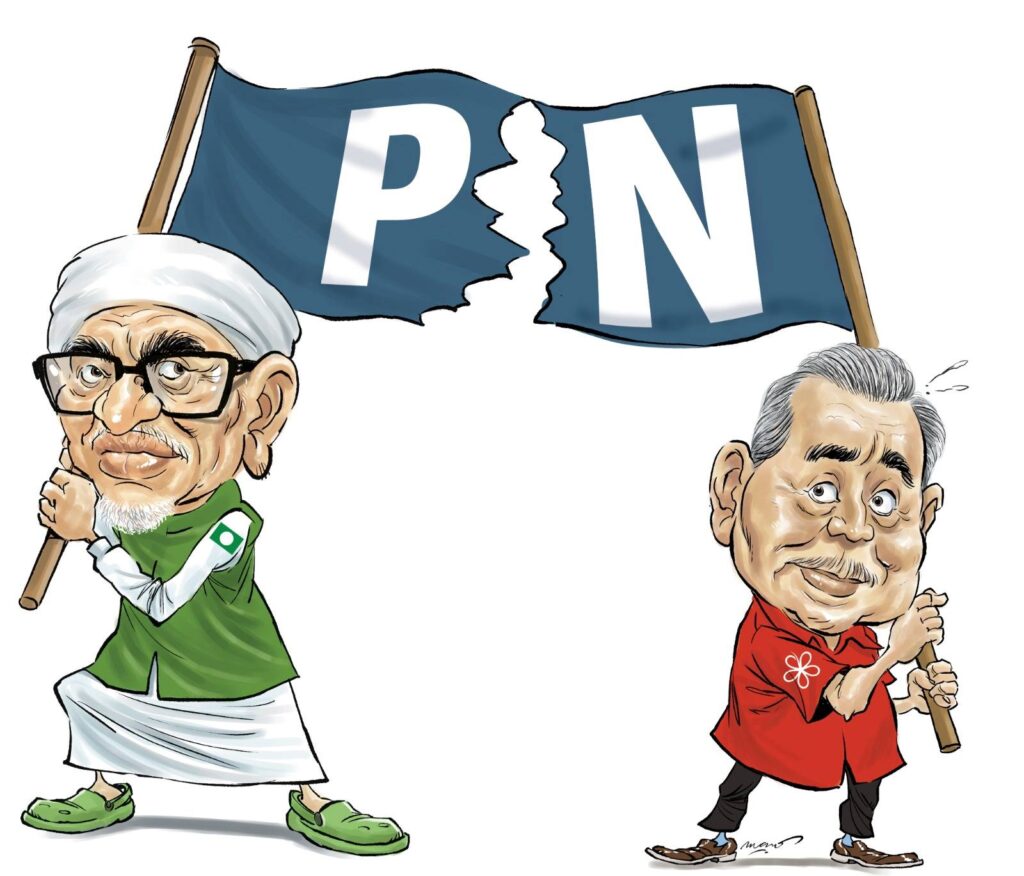
Ironically, as the government solidifies its position, the opposition appears to be fracturing. Under the Westminster system, the opposition should function as a "government-in-waiting." However, the current opposition is plagued by internal conflicts stemming from disputes between factions led by Mohamed Azmin Ali and Hamzah Zainudin. Leadership rivalries within Bersatu have intensified, straining relations with its component party, PAS, and destabilizing the Perikatan Nasional (PN) coalition.
These internal struggles have diverted the opposition's focus from presenting viable alternatives to the public, concentrating instead on internal power plays. Following six years of fluctuating political relationships, PAS has decided to end its cooperation with Bersatu, marking the conclusion of a significant chapter for PN. This development not only reshapes the opposition's political landscape but also sparks speculation about new political alignments before upcoming state elections and the general election.
However, political challenges are not confined to the opposition. Parti Keadilan Rakyat (PKR), a key component of the unity government, is also experiencing internal strife. Following its party elections, internal disputes within PKR have escalated, leading Rafizi Ramli and his supporters to leave the party. While PKR is working to reorganize its structure, the departure of influential figures like Rafizi could impact the party's long-term strength, particularly among urban voters.
DistantNews Editorial
Originally published by Utusan Malaysia in Malay. Translated, summarized, and contextualized by our editorial team with added local perspective. Read our editorial standards.
More Stories

From Our Blog

What Gets Lost (and Found) When News Is Translated

The Critical Role of Diaspora Media in Global News

What Travellers Should Know About Countries with Restricted Press

A Digital Nomad's Guide to Following Local News

How the Same Story Looks Different in Different Countries
