


Is Rs25,000 enough compensation for a state-induced humanitarian crisis?
Summarized and contextualized by DistantNews.
At a glance
News
Named sources
Under investigation
- Nepal's government is providing Rs25,000 compensation to families displaced by recent settlement clearances, a sum questioned for its adequacy.
- The displacement has affected over 16,000 individuals, disrupting homes, livelihoods, and social support systems without adequate prior planning for relocation.
- A preliminary report highlights the loss of lives, including an infant, and severe impacts on vulnerable groups, underscoring a preventable humanitarian crisis.
The Nepali government's decision to offer Rs25,000 in compensation to families displaced by recent settlement clearances has ignited a critical debate about whether such a sum can truly address the profound losses incurred. This amount is being questioned not just for the destruction of homes, but for the unraveling of social, economic, and emotional foundations that sustain people's lives.
Forced displacement extends far beyond the loss of shelter. It cripples access to essential services like healthcare and education, disrupts livelihoods, and erodes vital social networks and support systems. The question remains whether Rs25,000, even as a temporary measure, can meaningfully compensate for losses stemming from a process that disregarded constitutional guarantees and human rights obligations, ultimately creating a humanitarian crisis.
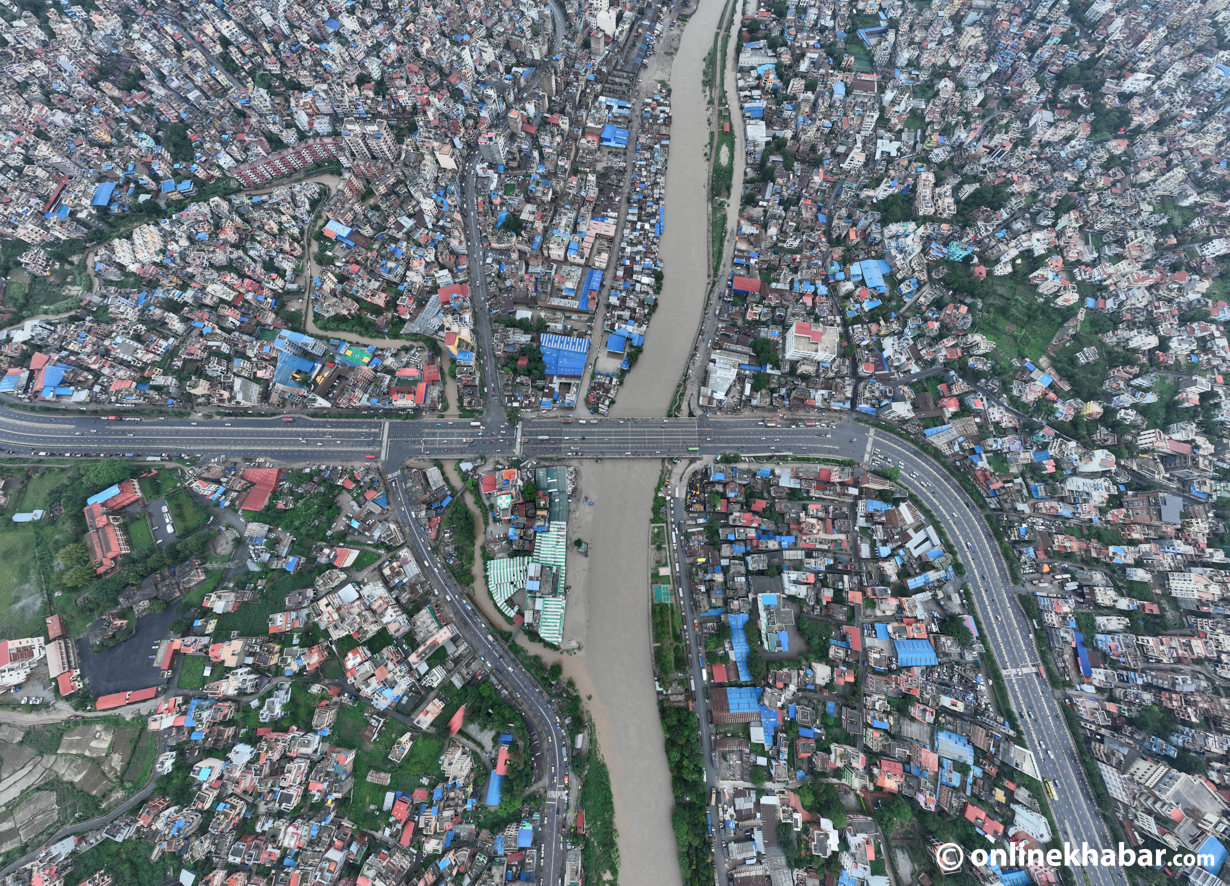
Since April 26, the government has been clearing settlements of landless Dalits, landless people, and informal settlers across the Kathmandu Valley and beyond. Official records indicate over 3,500 households, approximately 9,000 families, and more than 16,000 individuals have been forcibly displaced. These demolitions occurred without adequate planning for alternative housing or rehabilitation, leaving thousands in prolonged uncertainty.
A preliminary report, compiled through field observations and expert consultations, paints a grim picture. It documents the loss of seven lives among the displaced, including an infant who died during relocation, chronically ill individuals succumbing in holding centers, and two suicides post-eviction. Families were moved to holding centers far from their workplaces, severing their ability to earn a living. Children faced not only educational disruption but also the loss of stability and the risk of discrimination in new environments. The lack of safeguards during evictions and inadequate rehabilitation efforts placed older people, persons with disabilities, pregnant women, and infants at heightened risk, while the persistent portrayal of these communities as "illegal encroachers" deepened their stigma and social exclusion.
DistantNews Editorial
Originally published by Kathmandu Post. Summarized and contextualized by our editorial team with added local perspective. Read our editorial standards.
More Stories


From Our Blog

What Gets Lost (and Found) When News Is Translated

The Critical Role of Diaspora Media in Global News

What Travellers Should Know About Countries with Restricted Press

A Digital Nomad's Guide to Following Local News

How the Same Story Looks Different in Different Countries
