


Is Trump reviving the Jeffersonian era?
Summarized and contextualized by DistantNews.
At a glance
Analysis
Sources not specified
Context piece
- Donald Trump's foreign policy approach has shifted the long-standing dynamic between the U.S. and Israel, asserting American decision-making dominance.
- This change was evident when Israel learned of an Iran memorandum of understanding through media reports, receiving the official text 36 hours later.
- The new approach has caused significant reactions within the Israeli political landscape, with figures like Vice President JD Vance also criticizing Israeli leadership.
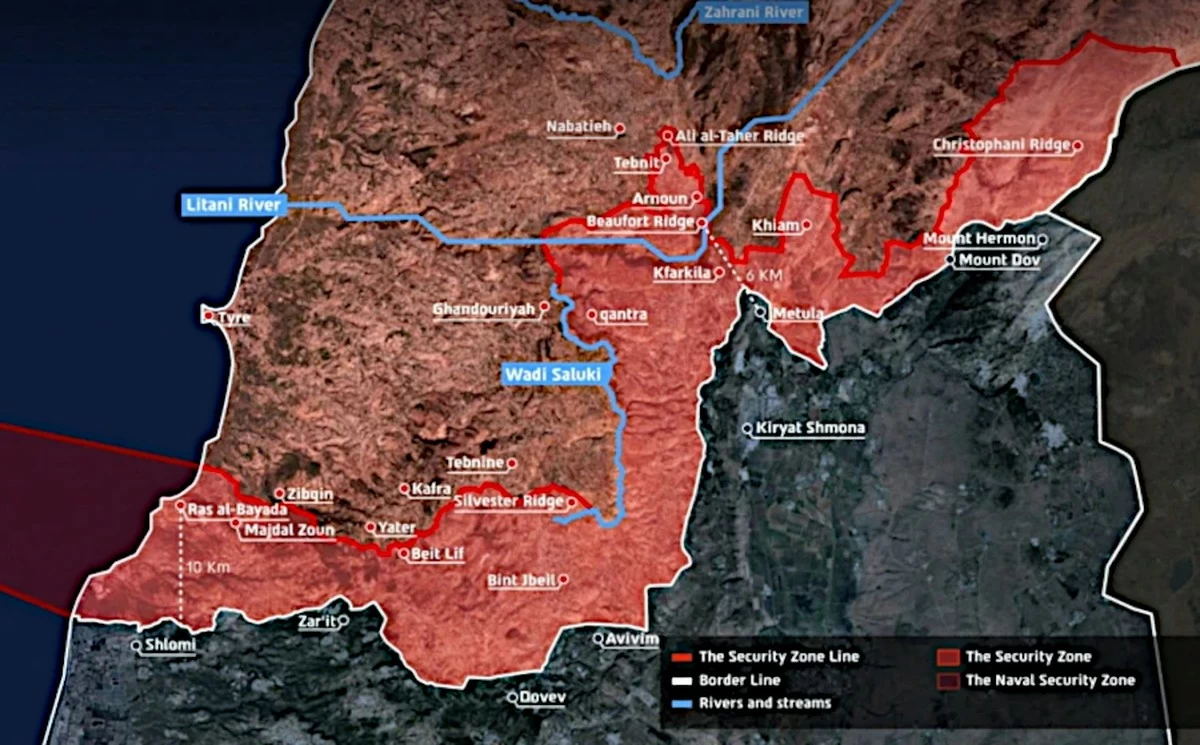
President Donald Trump is reshaping the post-World War II geopolitical narrative by asserting American dominance in decision-making, challenging the long-held assumption that Tel Aviv dictated U.S. policy.
the big one and the small one
This shift was starkly illustrated when the Israeli administration reportedly learned of an Iranian memorandum of understanding through media reports, with the official text only shared 36 hours before its formal signing. Trump describes this new dynamic as the relationship between 'the big one' and 'the small one,' referring to Washington and Tel Aviv.
While U.S.-Israel relations remain strong, this altered approach has sent shockwaves through the Israeli political scene. Israeli factions are reacting vigorously, with some focused on political survival amidst potential legal challenges. Vice President JD Vance has also been vocal, repeatedly criticizing Israeli leadership, suggesting a broader shift in perception that extends beyond the president.
I ended eight wars
The article suggests that radical Israeli government elements like Ben-Gvir and Smotrich may have lost faith in Tel Aviv's electoral calculations. These figures are reportedly obstructing the Trump administration's peace initiatives, which the president emphasizes by stating, "I ended eight wars" and "the war with Iran is over for good and I desire peace."
the war with Iran is over for good and I desire peace
Looking ahead, the piece posits that Iran faces a choice between capitulation or bombardment to destroy its remaining capabilities. It asserts that the U.S., as a superpower, cannot be resisted, especially when its strategic interests, or those of Israel that align with American interests, are at stake. An implicit message to Iran is conveyed: "We have shown no mercy to our pri
We have shown no mercy to our pri
DistantNews Editorial
Originally published by Arab Times. Summarized and contextualized by our editorial team with added local perspective. Read our editorial standards.
More Stories


From Our Blog

What Gets Lost (and Found) When News Is Translated

The Critical Role of Diaspora Media in Global News

What Travellers Should Know About Countries with Restricted Press

A Digital Nomad's Guide to Following Local News

How the Same Story Looks Different in Different Countries
