


Israel Aims for Greater Military Independence from the US
Translated from German, summarized and contextualized by DistantNews.
At a glance
Analysis
Sources not specified
Context piece
- US Vice President J.D. Vance criticized Israeli critics of the Iran deal, highlighting the US's significant military aid to Israel.
- Vance stated that two-thirds of weapons protecting Israel are US-made and funded by US taxpayers.
- Israel's Prime Minister Benjamin Netanyahu emphasized the importance of US-Israel relations, while the US provides $3.8 billion annually in military aid.
US Vice President J.D. Vance delivered a blunt message to Israeli critics of the Iran deal, asserting that Israel's military security is heavily reliant on American support. Vance pointedly reminded allies that "two-thirds of the weapons that protect Israel" are of US origin and financed by American taxpayers. This statement came amidst ongoing discussions and differing views on the Iran deal between Washington and Jerusalem.
Prime Minister Benjamin Netanyahu responded by underscoring the critical nature of the US-Israel relationship, stating that "our American friends stand shoulder to shoulder" with Israel. The US provides substantial military assistance, with an annual commitment of $3.8 billion under a ten-year agreement expiring in 2028. In times of conflict, Israel can expect additional funding, receiving approximately $14 billion in 2024. Washington has also demonstrated its commitment by rapidly supplying arms and weapon systems during conflicts, with emergency approvals bypassing Congress.
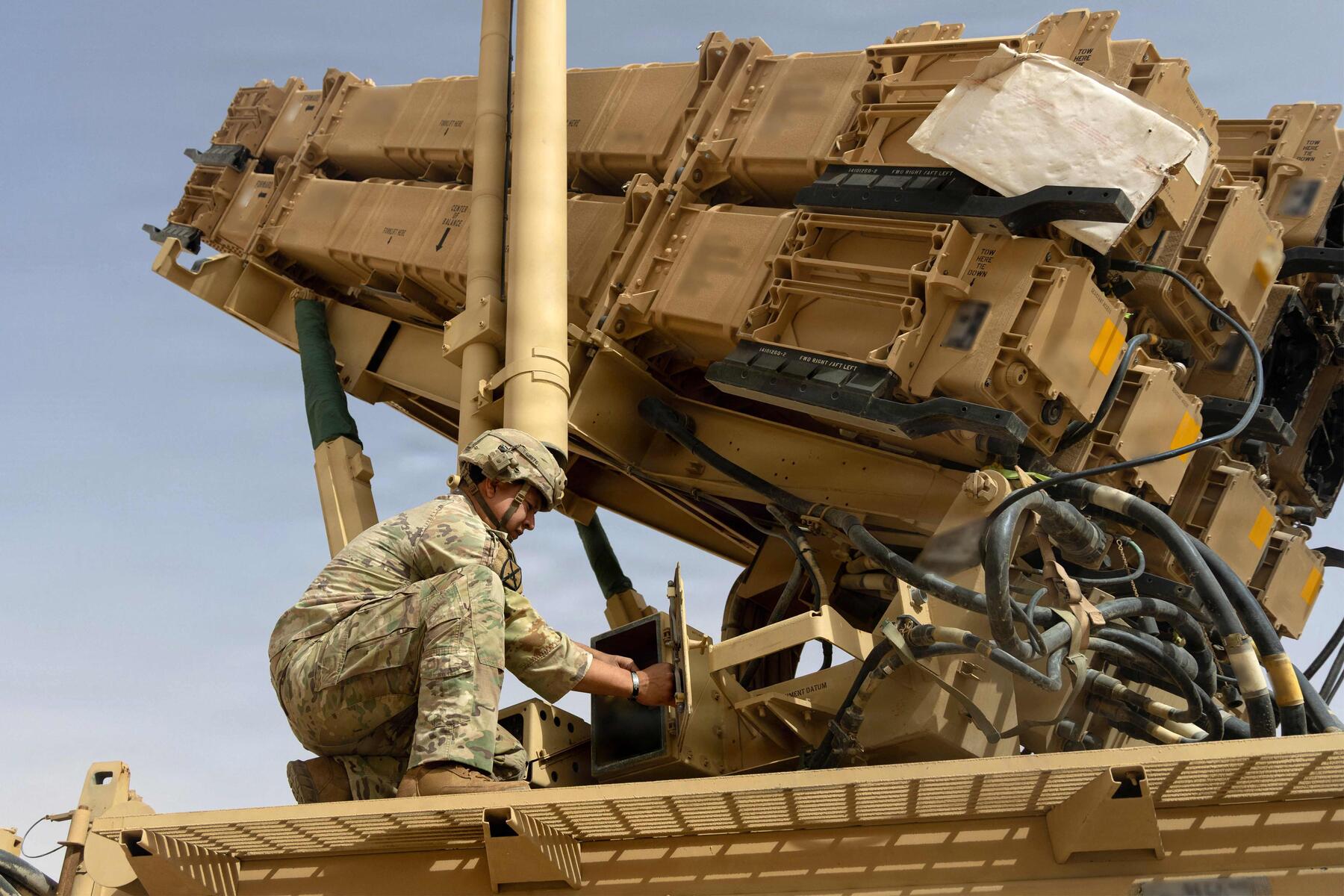
The extent of US arms shipments, even those approved by Congress, has sometimes been a point of contention, particularly when disagreements arise over Israel's military operations. Recent US decisions to supply F-35 fighter jets to Saudi Arabia and advanced technology to the United Arab Emirates have caused unease in Israel, especially given Israel's own provision of US-supplied Patriot missile defense systems to the UAE during recent conflicts.
two-thirds of the weapons that protect Israel are of US production and paid for by US tax money.
Historically, the US policy has aimed to ensure Israel's military-technological superiority. However, concerns are growing in Jerusalem and Tel Aviv about the future of this support, particularly in a post-Trump era. The potential for a future Vance presidency or a Democratic administration has fueled questions about continued US backing, as support for Israel has reportedly waned among younger generations of Americans. Israel is reportedly countering this trend with a public relations campaign targeting evangelical and Christian Republican voters.
Netanyahu appears to have understood Vance's warning, which follows similar actions by other European nations. France and Spain halted military cooperation during the Gaza war, and Germany imposed an arms embargo. Even US President Joe Biden briefly blocked the delivery of bunker-busting bombs intended for use against Iranian nuclear facilities. The article suggests these actions signal a potential shift in the dynamics of US-Israel military relations.
Our American friends stand shoulder to shoulder with Israel.
DistantNews Editorial
Originally published by Die Presse in German. Translated, summarized, and contextualized by our editorial team with added local perspective. Read our editorial standards.
More Stories


From Our Blog

What Gets Lost (and Found) When News Is Translated

The Critical Role of Diaspora Media in Global News

What Travellers Should Know About Countries with Restricted Press

A Digital Nomad's Guide to Following Local News

How the Same Story Looks Different in Different Countries
