


Israel, Lebanon Enter 10-Day Ceasefire Amid Cautious Optimism and Sporadic Shelling
Translated from Korean, summarized and contextualized by DistantNews.
TLDR
- Israel and Lebanon have entered a 10-day ceasefire brokered by the United States, officially taking effect on the morning of the 17th.
- The ceasefire aims to halt hostilities after decades of conflict, primarily involving Hezbollah, and opens a path for potential negotiations.
- Despite the truce, uncertainties remain, with both sides reserving the right to self-defense and Hezbollah expressing concerns about Israeli presence, while sporadic shelling continues in some areas.
The fragile ceasefire between Israel and Lebanon, mediated by the U.S., marks a significant, albeit tentative, step towards de-escalation after decades of simmering conflict. While the agreement provides a much-needed respite, the underlying tensions and historical animosity, particularly involving Hezbollah, mean that lasting peace remains a distant prospect.
The ceasefire period can be extended by mutual agreement.
The Israeli Prime Minister's acknowledgment of a "historic opportunity" for peace, coupled with plans for U.S.-brokered negotiations, signals a potential shift. However, sharp disagreements persist, notably on the issue of Israeli withdrawal from Lebanese territory and the disarmament of Hezbollah's rocket arsenal, which Israel views as a direct threat.
Israel will not carry out any aggressive military operations against Lebanese targets, whether on land, air, or sea, including civilian facilities, military facilities, and other national objectives within Lebanese territory.
From a Lebanese perspective, the ceasefire is met with cautious optimism, tinged with deep-seated suspicion of Israeli intentions. The celebration in Beirut, marked by spontaneous gunfire, reflects a profound relief from years of conflict, yet the continued sporadic shelling serves as a stark reminder of the precariousness of the situation. Hezbollah's stance underscores the complexity, emphasizing Lebanon's right to resist any Israeli military presence, potentially setting the stage for future confrontations even within the truce.
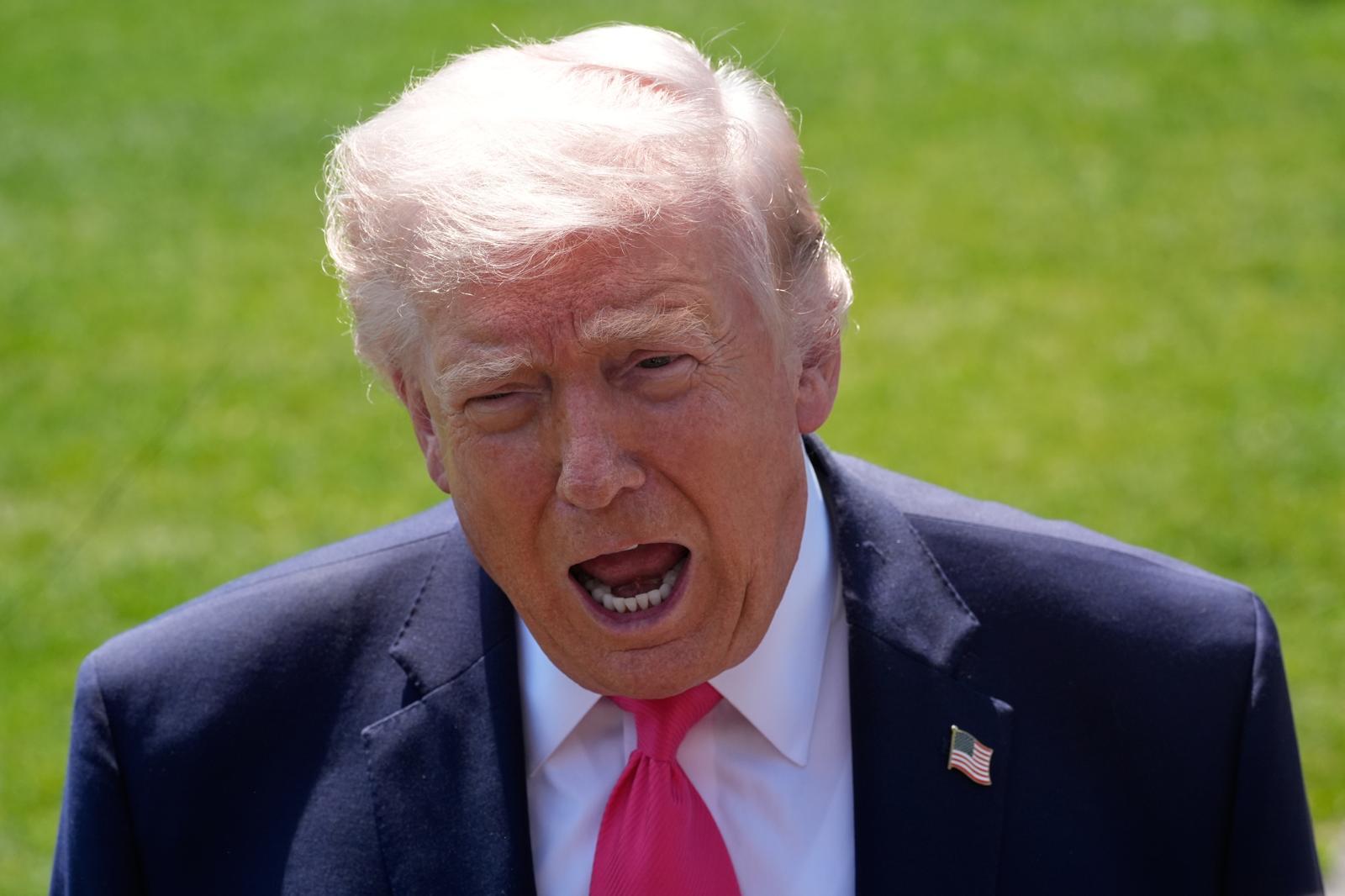
We have the opportunity to reach a historic peace agreement with Lebanon. President Trump will invite both sides to pursue full negotiations.
This development is viewed with particular significance in Lebanon, where the impact of the conflict is felt most acutely. While international media may focus on the diplomatic maneuverings, local coverage emphasizes the immediate human cost and the deep-rooted security concerns that continue to shape the national narrative. The hope for genuine peace is palpable, but so is the awareness that the path forward is fraught with challenges.
Israel must withdraw from all Lebanese territory.
DistantNews Editorial
Originally published by Hankyoreh in Korean. Translated, summarized, and contextualized by our editorial team with added local perspective. Read our editorial standards.
More Stories



From Our Blog

What Gets Lost (and Found) When News Is Translated

The Critical Role of Diaspora Media in Global News

What Travellers Should Know About Countries with Restricted Press

A Digital Nomad's Guide to Following Local News

How the Same Story Looks Different in Different Countries
