

Israel Rejects Trump's Gaza Plan Amidst Escalating Mideast Tensions
Translated from English, summarized and contextualized by DistantNews.
At a glance
News
Named sources
Ongoing story
- Israel rejected a Gaza withdrawal deal proposed by U.S. President Donald Trump, insisting Hamas must disarm first.
- Yemen's Houthi rebels attacked a government-held port on the Red Sea coast and an oil facility in Saudi Arabia.
- Details emerged on a potential deal between Iran and Oman regarding passage through the Strait of Hormuz.
Israel has officially rejected a proposed deal for Gaza announced by U.S. President Donald Trump, with Prime Minister Benjamin Netanyahu stating that Israeli forces will not withdraw until Hamas is disarmed. Netanyahu conveyed this position during a cabinet meeting, though he acknowledged ongoing discussions with Washington regarding Gaza's future. Hamas, through a political bureau member, expressed commitment to a "road map" and anticipates pressure on Israel from mediators and the U.S.
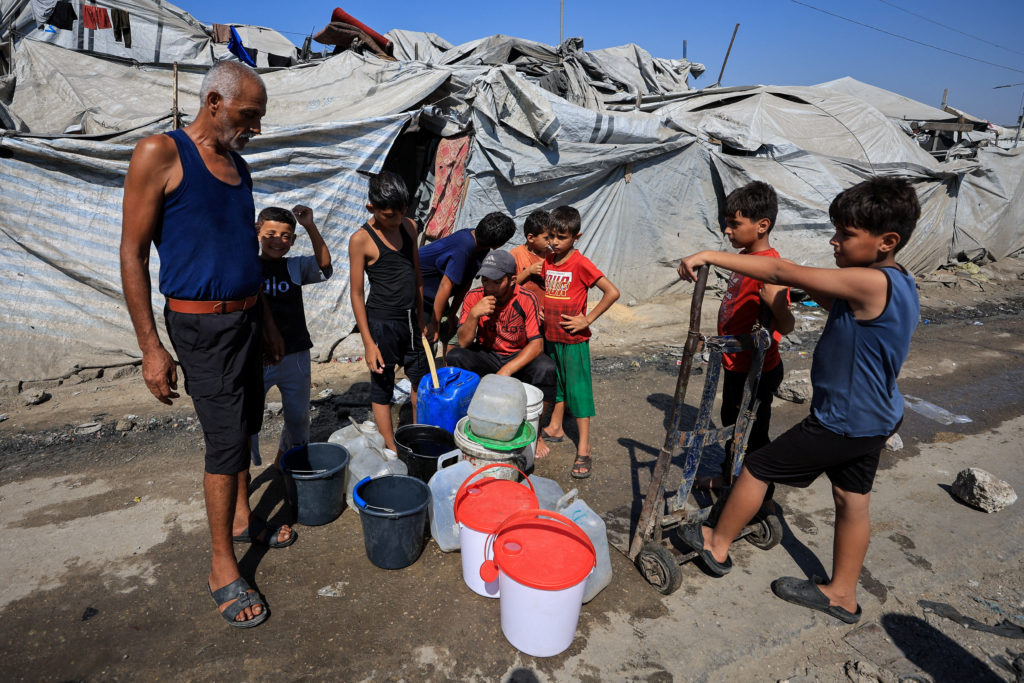
The conflict, which began with the Hamas-led attack on Israel on October 7, 2023, continues amidst a fragile ceasefire. Israel currently controls over half of the Gaza Strip, an area heavily impacted by the war. The situation remains tense as Netanyahu faces domestic political pressures ahead of upcoming elections.
Israel's military will not carry out any withdrawal until Hamas is genuinely disarmed.
Meanwhile, the Middle East is experiencing heightened regional instability. Yemen's Iran-backed Houthi rebels launched attacks on a government-held port, Mokha, on the Red Sea coast, and an oil facility in Saudi Arabia. The Yemeni government reported casualties and significant damage to port infrastructure. The Houthis claimed responsibility, citing retaliatory actions for perceived airspace violations by Saudi Arabia.
These attacks raise concerns about renewed civil conflict in Yemen, following a 2022 truce. Additionally, details have surfaced regarding potential negotiations between Iran and Oman concerning the management of the Strait of Hormuz. Tehran has indicated that vessels linked to "hostile countries" may be barred from this critical global shipping route, further escalating regional tensions.
We remain committed to the road map.
DistantNews Editorial
Originally published by PBS NewsHour in English. Translated, summarized, and contextualized by our editorial team with added local perspective. Read our editorial standards.
More Stories


From Our Blog

How the Same Story Looks Different in Different Countries

What Gets Lost (and Found) When News Is Translated

The Critical Role of Diaspora Media in Global News

What Travellers Should Know About Countries with Restricted Press

A Digital Nomad's Guide to Following Local News
