


Israel's resistance casts doubt on US-Iran pact future
Translated from Spanish, summarized and contextualized by DistantNews.
At a glance
News
Sources not specified
Ongoing story
- Israel's actions in Lebanon and other Middle East points threaten to derail a preliminary peace agreement between the United States and Iran.
- Israeli Prime Minister Benjamin Netanyahu stated troops would remain in occupied Gaza, Syria, and Lebanon as long as necessary, continuing to thwart threats.
- The US-Iran deal includes an immediate ceasefire in Lebanon, but Israel reserves the right to respond if Hezbollah attacks its positions.
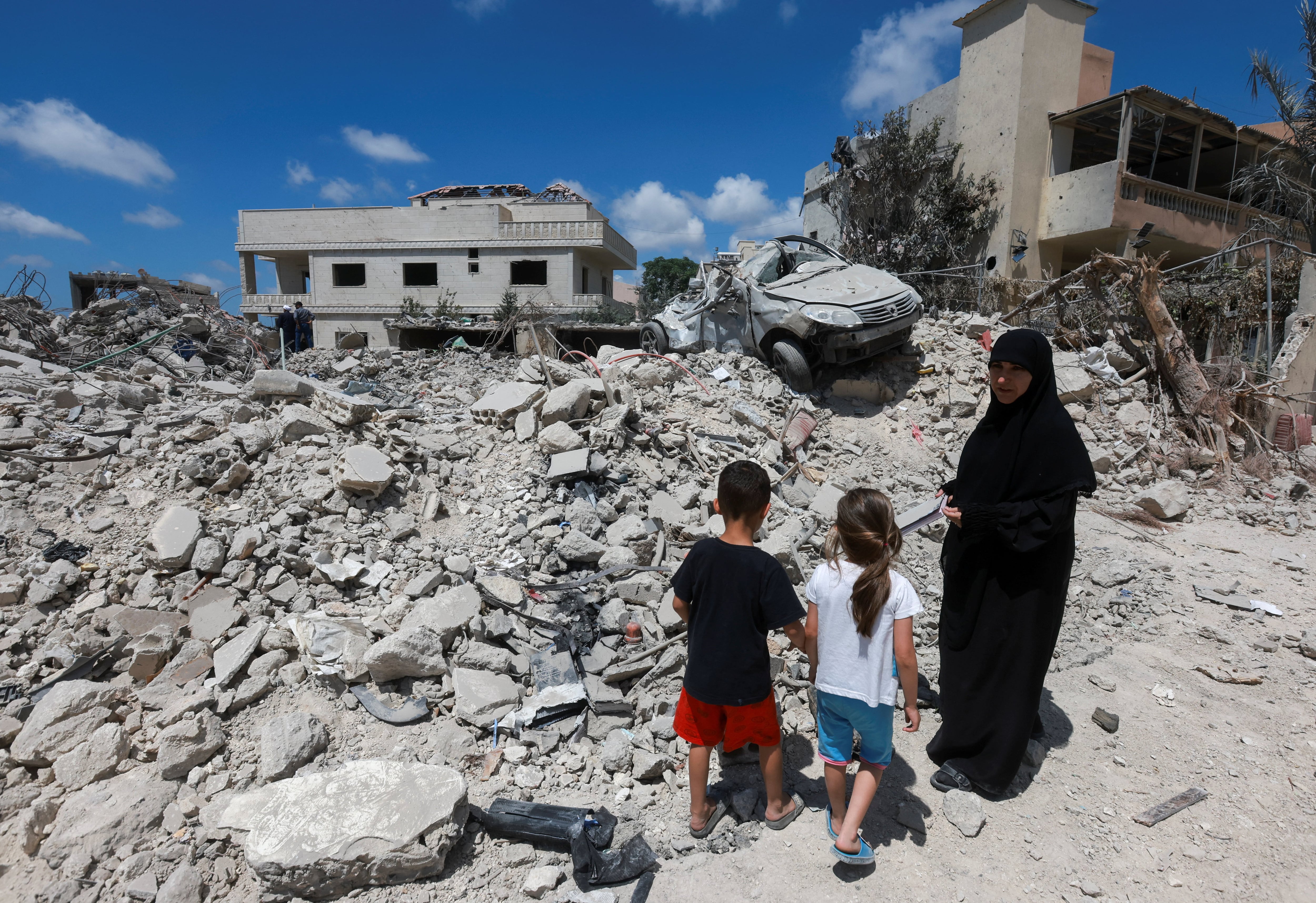
Israel's resistance to a preliminary peace deal between the United States and Iran has cast doubt on the agreement's future. Details of Iran's nuclear program, sanctions relief, and the return of frozen funds are part of the pact, but Israel's actions in Lebanon and other Middle East locations pose a significant threat.
Israeli Prime Minister Benjamin Netanyahu has made it clear that troops will remain in occupied areas of Gaza, Syria, and Lebanon for as long as necessary. He vowed to continue "thwarting threats in the region," a phrase often used to describe daily bombings, even during truces. The US-Iran agreement, which Israel has avoided criticizing, calls for an "immediate" end to fighting in Lebanon. However, Hezbollah insists it will continue firing on Israeli troops as long as they occupy Lebanese soil.
I will keep the troops the time that is necessary in the areas they occupy in Gaza, Syria and Lebanon and will continue to thwart threats in the region.
Israeli attacks in Lebanon had previously jeopardized negotiations. Most recently, an attack on the suburbs of Beirut nearly caused the agreement's collapse. A personal call from President Trump and last-minute concessions from Iran, aimed at guaranteeing Lebanon's territorial integrity and a cessation of hostilities, reportedly saved the deal.
The US government has rushed to assure that the provisional agreement with Tehran, which is expected to lead to a definitive accord after sixty days of negotiations on Iran's nuclear program and sanctions relief, only mandates a ceasefire in Lebanon. It does not include the withdrawal of Israeli troops from the more than 10% of Lebanese territory they occupy. A senior US official, speaking anonymously, stressed that the ceasefire would not be one-sided. "This means that if Tehran is unable to control (the radical Shiite group) Hezbollah and they attack Israeli cities or positions, Israel will have the right to defend itself and respond," the official stated. Iranian Foreign Ministry spokesman Esmail Baghaei insisted that...
It is not going to be a one-way ceasefire. That means that if Tehran is unable to control (the radical Shiite group) Hezbollah and these attack Israeli cities or positions, Israel will have the right to defend itself and respond.
DistantNews Editorial
Originally published by El País in Spanish. Translated, summarized, and contextualized by our editorial team with added local perspective. Read our editorial standards.
More Stories
From Our Blog

What Gets Lost (and Found) When News Is Translated

The Critical Role of Diaspora Media in Global News

What Travellers Should Know About Countries with Restricted Press

A Digital Nomad's Guide to Following Local News

How the Same Story Looks Different in Different Countries
