


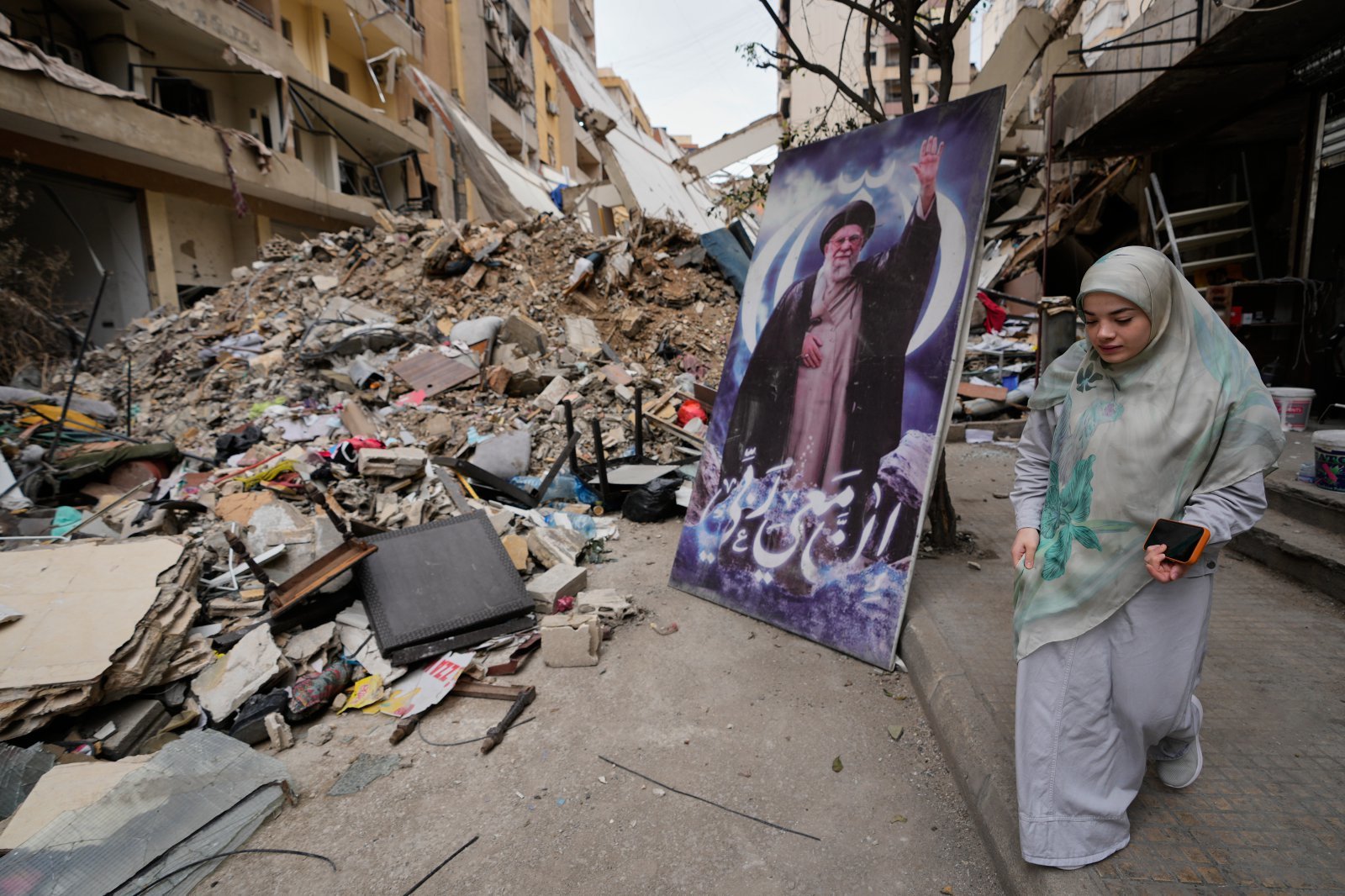
Israel Strikes Southern Lebanon Amidst Ten-Day Ceasefire
Translated from Korean, summarized and contextualized by DistantNews.
TLDR
- Israel conducted airstrikes on southern Lebanon, targeting Hezbollah members, despite a ten-day temporary ceasefire brokered by the US.
- The Israeli military claimed to have eliminated several Hezbollah operatives who posed an immediate threat near the border, enforcing a self-declared "Yellow Line."
- Lebanon's President Joseph Aoun expressed concern and called for direct negotiations with Israel to cease military operations and secure the withdrawal of Israeli forces, pursuing a separate process from US-Iran talks.
The fragile peace along the Israel-Lebanon border has once again been shattered. Despite a ten-day temporary ceasefire, ostensibly brokered by the United States, Israeli forces launched airstrikes into southern Lebanon, resulting in casualties among Hezbollah members. This escalation, occurring on April 20th, underscores the persistent volatility of the region and casts a shadow over ongoing diplomatic efforts, including the secondary ceasefire negotiations between the US and Iran.
We have eliminated several Hezbollah operatives who posed an immediate threat to Israel.
The Israeli military asserted that the strikes were a direct response to Hezbollah operatives posing an "immediate threat" near the border, specifically mentioning actions near the villages of Bint Jbeil and along the Litani River. Israel has unilaterally established a "Yellow Line" within Lebanese territory, mirroring a tactic used during the Gaza conflict, which serves as a justification for preemptive strikes against any perceived Hezbollah encroachment or hostile action. This assertion of control and the justification for military action highlight Israel's security calculus and its proactive stance in the face of perceived threats.
In response, Lebanon has voiced its deep concern. President Joseph Aoun has called for immediate direct negotiations with Israel, demanding an end to military operations and the complete withdrawal of Israeli forces from Lebanese territory. Significantly, Aoun emphasized that these negotiations would be a distinct process, separate from the broader US-Iran discussions, indicating Lebanon's desire for direct agency in resolving its own security concerns. This assertion of sovereignty and the pursuit of an independent diplomatic track are crucial elements of Lebanon's position.
We will immediately cease military operations and completely withdraw Israeli forces from Lebanese territory.
From the perspective of Dong-A Ilbo, this renewed conflict is a stark reminder of the complex geopolitical dynamics at play. While international coverage often focuses on the broader US-Iran diplomatic landscape, the immediate reality on the ground in Lebanon is one of continued military engagement and civilian impact. The establishment of the "Yellow Line" by Israel, a self-defined zone of security, raises questions about territorial integrity and the potential for further escalation. Lebanon's push for direct negotiations, separate from larger international talks, signals a desire to control its own narrative and secure its borders on its own terms. This situation highlights the persistent challenges to regional stability and the urgent need for de-escalation and dialogue, even as broader diplomatic efforts continue.
We will conduct negotiations as a separate, independent process from the negotiations between the United States and Iran, and through this, we will be able to save Lebanon.
DistantNews Editorial
Originally published by Dong-A Ilbo in Korean. Translated, summarized, and contextualized by our editorial team with added local perspective. Read our editorial standards.
More Stories



From Our Blog

What Gets Lost (and Found) When News Is Translated

The Critical Role of Diaspora Media in Global News

What Travellers Should Know About Countries with Restricted Press

A Digital Nomad's Guide to Following Local News

How the Same Story Looks Different in Different Countries
