

Israel to Withdraw From Gaza Only After ‘Verified’ Disarmament, Peace Envoy Says
Translated from English, summarized and contextualized by DistantNews.
At a glance
News
Named sources
Ongoing story
- Israel will withdraw from Gaza only after Hamas's disarmament is verified, according to UN Peace Envoy Nickolay Mladenov.
- The July 31 roadmap proposes parallel disarmament and Israeli withdrawal, with Israel pulling back as disarmament progresses.
- The plan, supported by several Arab states, faces potential halts if commitments are not met or if Hamas rebuilds military capabilities.
Israel's withdrawal from the Gaza Strip is contingent upon the verified disarmament of Hamas on the ground, outlined by Board of Peace envoy Nickolay Mladenov. These conditions could shape the next phase of the Gaza ceasefire and President Trump's proposed peace roadmap.
Israel would withdraw from the Gaza Strip only after the disarmament of Hamas is verified on the ground
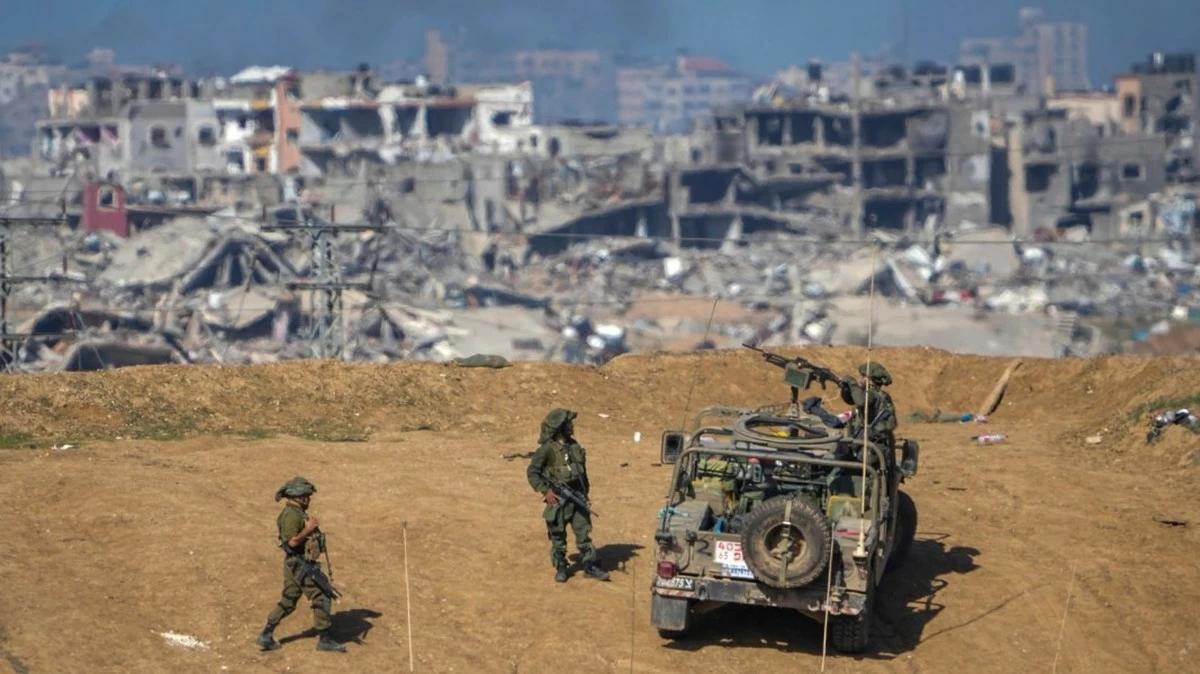
Mladenov explained that the July 31 roadmap calls for Hamas's disarmament and a gradual, parallel Israeli withdrawal. However, he stressed that Israel is not obligated to pull back until concrete disarmament measures are implemented. The plan currently does not require Israeli forces to withdraw from their positions along the "Yellow Line." Under this arrangement, Israeli forces would withdraw area by area as disarmament is completed in each location, eventually retreating toward the Gaza perimeter fence. Mladenov stated that Israeli forces would maintain their current positions and only fire if facing a direct threat.
The envoy warned that the process could be suspended if either side fails to meet its commitments or if Hamas members continue to train or rebuild their military capabilities. He estimated that dismantling Gaza's extensive tunnel network at the current pace could take over a decade, though the Board of Peace is exploring the use of heavy machinery and private contractors to expedite the operation.
the plan does not currently require Israeli forces to withdraw from their positions along the so-called “Yellow Line.”
Mladenov credited Türkiye, Qatar, and Egypt for their critical role in securing Hamas's agreement to the roadmap. The plan has also garnered support from Saudi Arabia, the UAE, Kuwait, other Gulf states, and Morocco. The second phase of Trump's Gaza plan involves transferring administration of the territory to a Palestinian technocratic committee, deploying an international stabilization force, placing weapons under international supervision, and carrying out a phased Israeli withdrawal alongside reconstruction efforts.
the process could be suspended if either side fails to meet its commitments or if Hamas members continue training or rebuilding their military capabilities.
Hamas reaffirmed its commitment to the roadmap on Sunday, signaling readiness to proceed with the second phase. These developments occur amidst ongoing violence despite the ceasefire that began on Oct. 10, 2025. Gaza's Health Ministry reported that Israeli attacks since the ceasefire have killed at least 1,258 Palestinians and wounded 4,139. The overall Israeli offensive since October 2023 has resulted in over 73,000 deaths and more than 174,000 injuries, according to the ministry.
Hamas on Sunday reaffirmed its commitment to the roadmap agreed with mediators and the Board of Peace and said it was prepared to move forward with the second phase of the plan.
DistantNews Editorial
Originally published by Arab Times in English. Translated, summarized, and contextualized by our editorial team with added local perspective. Read our editorial standards.
More Stories


From Our Blog

What Gets Lost (and Found) When News Is Translated

The Critical Role of Diaspora Media in Global News

What Travellers Should Know About Countries with Restricted Press

A Digital Nomad's Guide to Following Local News

How the Same Story Looks Different in Different Countries
