



Israeli Army Brings in Demolition Contractors to Raze Dozens of Lebanese Villages
Translated from English, summarized and contextualized by DistantNews.
TLDR
- The Israeli army is reportedly using the ceasefire period to systematically demolish dozens of Lebanese villages in southern Lebanon, employing private contractors.
- This destruction is concentrated in a designated "total destruction" zone along the border, extending up to 10 kilometers inland, with civilian presence prohibited.
- Additional security zones are established, restricting armed presence and discouraging civilian movement, reflecting a broader Israeli military doctrine for layered security along its frontiers.
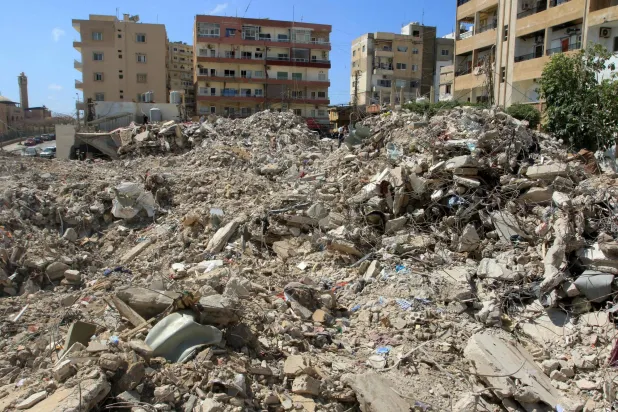
Asharq Al-Awsat reports on a deeply concerning development in southern Lebanon, where the Israeli army is allegedly leveraging the current ceasefire to accelerate the large-scale demolition of villages. This operation, described as systematic and involving private demolition contractors, paints a grim picture of the conflict's aftermath in the occupied territories.
The scale of the destruction is immense, covering an area estimated at 800 square kilometers, or about 8 percent of Lebanon's territory. The army has reportedly divided this zone into sectors, with a "total destruction" area along the border, dubbed the "yellow belt," where civilian presence is effectively banned due to extreme risks. This systematic razing of homes and infrastructure raises serious questions about the long-term implications for the region and its displaced populations.
Furthermore, the report details the establishment of additional security zones extending to the Litani River, where armed presence is banned and civilian movement is strongly discouraged. These areas remain volatile, with ongoing resistance operations and the presence of minefields. The Israeli military's doctrine, as described, emphasizes layered security, including a "security belt" within enemy territory, a strategy that appears to be aggressively implemented in Lebanon, mirroring tactics seen in Gaza.
From our perspective, this reported destruction goes beyond military necessity. It signifies a deliberate effort to reshape the landscape and potentially prevent the return of residents. The use of private contractors adds another layer of complexity, raising issues of accountability. While international attention may be focused elsewhere, the situation in southern Lebanon demands scrutiny, as these actions could have profound and lasting consequences for the region's stability and its people.
DistantNews Editorial
Originally published by Asharq Al-Awsat in English. Translated, summarized, and contextualized by our editorial team with added local perspective. Read our editorial standards.
More Stories

From Our Blog

What Gets Lost (and Found) When News Is Translated

The Critical Role of Diaspora Media in Global News

What Travellers Should Know About Countries with Restricted Press

A Digital Nomad's Guide to Following Local News

How the Same Story Looks Different in Different Countries
