

Israelis Criticize U.S.-Iran Peace Plan, Fear for National Security
Translated from English, summarized and contextualized by DistantNews.
At a glance
News
Named sources
Ongoing story
- Israelis express skepticism and dismay over a U.S.-Iran initial agreement to end the war, viewing it as detrimental to their national security.
- The agreement reportedly includes a ceasefire, but Israel's defense minister states forces will not withdraw from Lebanon.
- Citizens and officials feel caught between a flawed deal and ongoing conflict with Hezbollah.
Israelis are reacting with dismay and skepticism to an initial agreement between the U.S. and Iran aimed at ending the war, with many viewing the deal as serving only American interests and posing a significant risk to Israel's national security.
I'm not very happy about it. I think it will last maybe two years until Trump is ending his term, and then we will go back to the same thing.
While the U.S. has announced an initial agreement with Iran, including a reported ceasefire, top Israeli officials have expressed strong reservations. The deal's terms, not fully public before widespread reactions, have done little to assuage Israeli concerns about Iran's nuclear and missile programs. Citizens like Guy Bar Natan described it as the "worst, worst agreement that could ever be done" for Israel's national security.
Carmiel Frutkoff, a Jerusalem resident, echoed this sentiment, stating, "I don't think the agreement is a good agreement, and I think that trying to sign these kind of agreements with the bully of the neighborhood is not going to bring us long-lasting peace." The feeling among many Israelis is that they are caught in the middle of a bad deal and the persistent conflict with Hezbollah.
It's only American interests here, and it's in -- for the matter of national security of Israel, this is the worst, worst agreement that could ever be done.
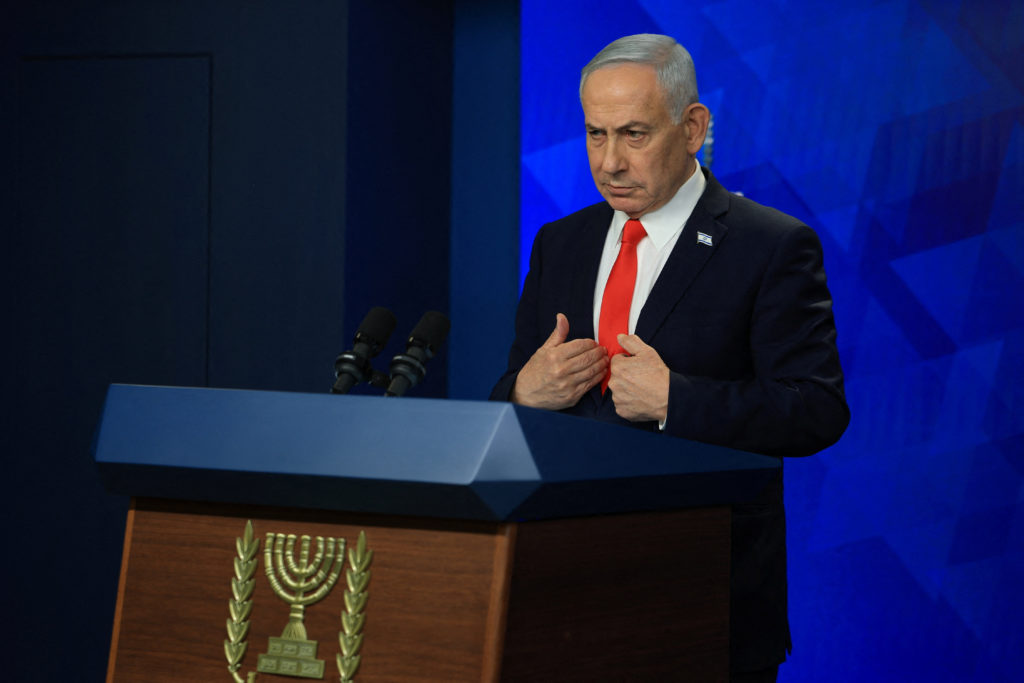
Prime Minister Benjamin Netanyahu, speaking through an interpreter, asserted that Israel would remain in buffer zones in Lebanon as long as necessary, emphasizing that Iran's demand for withdrawal did not materialize due to his firm stance. Defense Minister Israel Katz reinforced this position on X, stating, "We will have the ability to act independently to prevent Iran from acquiring nuclear weapons and will not withdraw from the security zones in Lebanon."
I don't think the agreement is a good agreement, and I think that trying to sign these kind of agreements with the bully of the neighborhood is not going to bring us long-lasting peace.
The ongoing violence, with air raid sirens and shelters becoming routine in Northern Israel, highlights the persistent conflict. Israel reports nearly 30 soldiers and four civilians killed in fighting with Hezbollah, while Lebanon reports nearly 4,000 deaths. The effectiveness of the U.S.-Iran framework agreement in ending this cycle of violence remains uncertain.
Regarding Lebanon, we have created a buffer zone, and we will remain there as long as necessary. Iran wanted us to withdraw from there, but that did not happen. Do you know why it didn't happen? Because I stood very, very firm.
DistantNews Editorial
Originally published by PBS NewsHour in English. Translated, summarized, and contextualized by our editorial team with added local perspective. Read our editorial standards.
More Stories

From Our Blog

How the Same Story Looks Different in Different Countries

What Gets Lost (and Found) When News Is Translated

The Critical Role of Diaspora Media in Global News

What Travellers Should Know About Countries with Restricted Press

A Digital Nomad's Guide to Following Local News
