


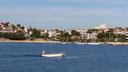
Istria faces major problem: 7,000 holiday homes, but not enough tourists for all
Translated from Croatian, summarized and contextualized by DistantNews.
At a glance
News
Sources not specified
Context piece
- Croatia's tourism sector faces a potential oversupply of holiday homes, particularly in the Istria region.
- Many private renters reported low occupancy in June, citing economic uncertainty, changing guest habits, and a poor price-quality ratio.
- The number of holiday homes in Istria has grown to around 7,000, raising questions about market saturation and the need for strategic adjustments.
Istria, a popular Croatian tourist region, is grappling with a significant surplus of holiday homes, leading to concerns among private renters about the sustainability of their businesses. While the peak tourist season is underway, many property owners experienced lower-than-expected occupancy rates in June. This downturn is attributed to a combination of factors, including economic instability in key European markets, a less favorable holiday calendar, evolving tourist preferences, and growing dissatisfaction with the value offered by accommodations.
The Istrian peninsula has seen a dramatic expansion in private tourist accommodation over the past three decades. What began with a few hundred holiday homes in the mid-1990s, intended to boost regional competitiveness, has ballooned to approximately 7,000 properties today. This rapid growth has prompted a critical re-evaluation of the market's capacity.
It's possible we've overdone it, this season will show if we truly have too many holiday homes and if we need to consider other ventures.
"It's possible we've overdone it; this season will show if we truly have too many holiday homes and if we need to consider other ventures," stated Lorena John, president of the Istrian Family Accommodation Association. She noted that many properties remained entirely unoccupied in June, highlighting the growing gap between supply and demand.
The fact is that every year there are more holiday homes in Istria, and the number of tourists is not growing. We inevitably cannot fill everything, and someone will be dissatisfied.
Tourism agencies echo these concerns, pointing to a stagnation in tourist numbers despite the continuous increase in available accommodation. This imbalance intensifies competition among providers and results in a higher number of vacant units. "The fact is that every year there are more holiday homes in Istria, and the number of tourists is not growing. We inevitably cannot fill everything, and someone will be dissatisfied," explained Massimo Chiavalon, a tourism agency owner. He advised renters to reassess their pricing and offerings, emphasizing that inflated prices without commensurate quality are unsustainable.
Beyond the sheer volume of properties, other elements are impacting the season. Inflation in Germany, reduced purchasing power among some visitors, and a shift towards last-minute bookings have further complicated planning for renters. The trend of booking accommodations shortly before arrival leaves less time to adjust to cancellations, making stable occupancy projections increasingly difficult.
If we don't have a good offer, we can't inflate prices, but unfortunately, that's what's happening. Someone builds a holiday home, looks at the neighbor, and says, 'Now I'll charge the same price,' but maybe you don't offer the same as the neighbor.
DistantNews Editorial
Originally published by Večernji List in Croatian. Translated, summarized, and contextualized by our editorial team with added local perspective. Read our editorial standards.
More Stories



From Our Blog

What Gets Lost (and Found) When News Is Translated

The Critical Role of Diaspora Media in Global News

What Travellers Should Know About Countries with Restricted Press

A Digital Nomad's Guide to Following Local News

How the Same Story Looks Different in Different Countries
