


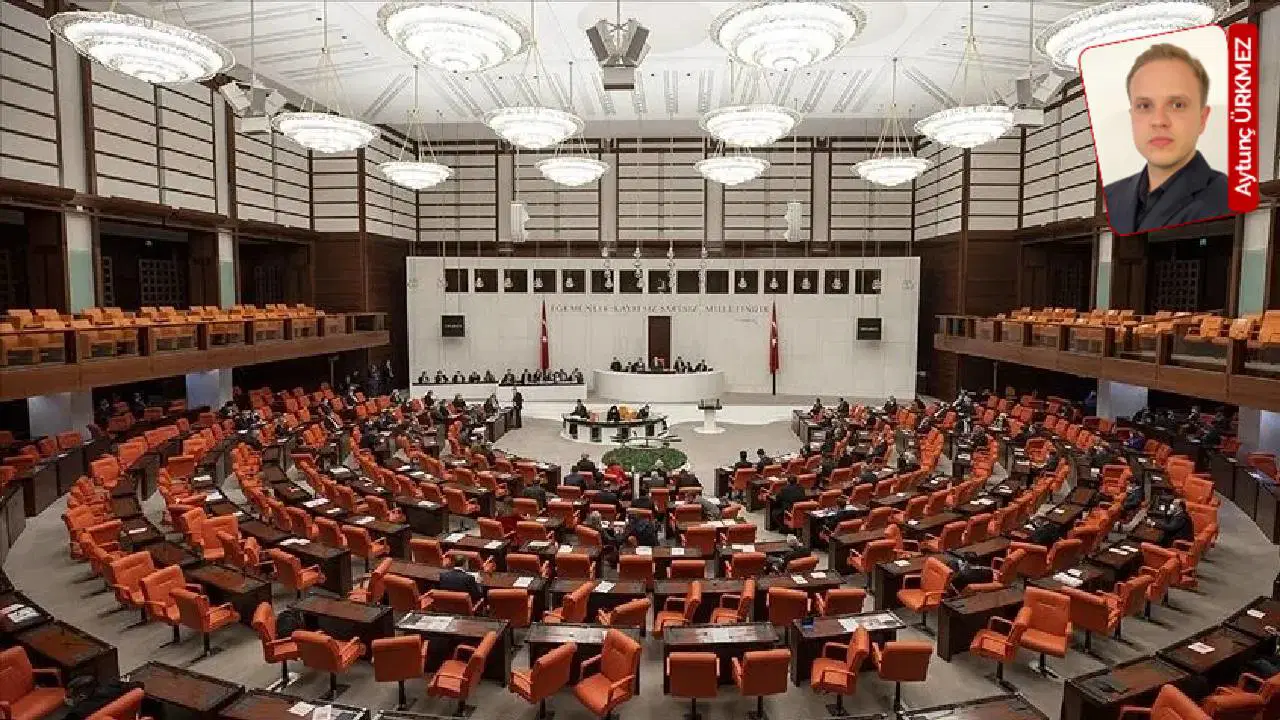
İYİ Party Submits 321-Page Objection to 'Solidarity Law,' Citing Constitutional Breaches and PKK Bias
Translated from Turkish, summarized and contextualized by DistantNews.
At a glance
News
Sources not specified
Approved/passed
- The İYİ Party submitted a 321-page objection to a framework law aimed at strengthening national solidarity and social integration.
- The party argues the proposed law creates a special regime for terror group members and violates 12 articles of the constitution.
- İYİ Party criticized the legislative process, stating opposition views were marginalized and that the law fails to address the financial aspects of terrorist organizations like the PKK.
The İYİ Party has formally presented a comprehensive 321-page objection to the Turkish Parliament regarding a framework law titled "Law Proposal for Strengthening National Solidarity and Social Integration." The party's extensive critique challenges not only the specific articles of the proposal but also its name, methodology, political justifications, and overall intent.
A central argument in the İYİ Party's objection is that the proposed law establishes a preferential legal framework for members of terrorist organizations. "A terror group may lay down its arms, but the Republic of Turkey cannot abandon its statehood," the party stated, emphasizing its opposition to any measures perceived as undermining national sovereignty. Furthermore, the İYİ Party contends that the proposal contravenes at least 12 articles of the Turkish Constitution, including those related to the republic's qualities, state integrity, fundamental duties, sovereignty, legislative and executive powers, judicial independence, and equality before the law.
The party also voiced strong criticism of the legislative process itself, asserting that the views of martyrs' families and veterans were disregarded. They argued that the commission's deliberations did not meet the standards of a healthy legislative process, describing the method as one that "marginalizes the opposition's views, restricts the right to oversight, and aims to conclude the majority's will with minimal discussion." The objection further points out the law's failure to address the fate of assets controlled by the PKK, questioning how the organization's economic power would be dismantled and whether these assets would be used to compensate victims or be brought under state control.
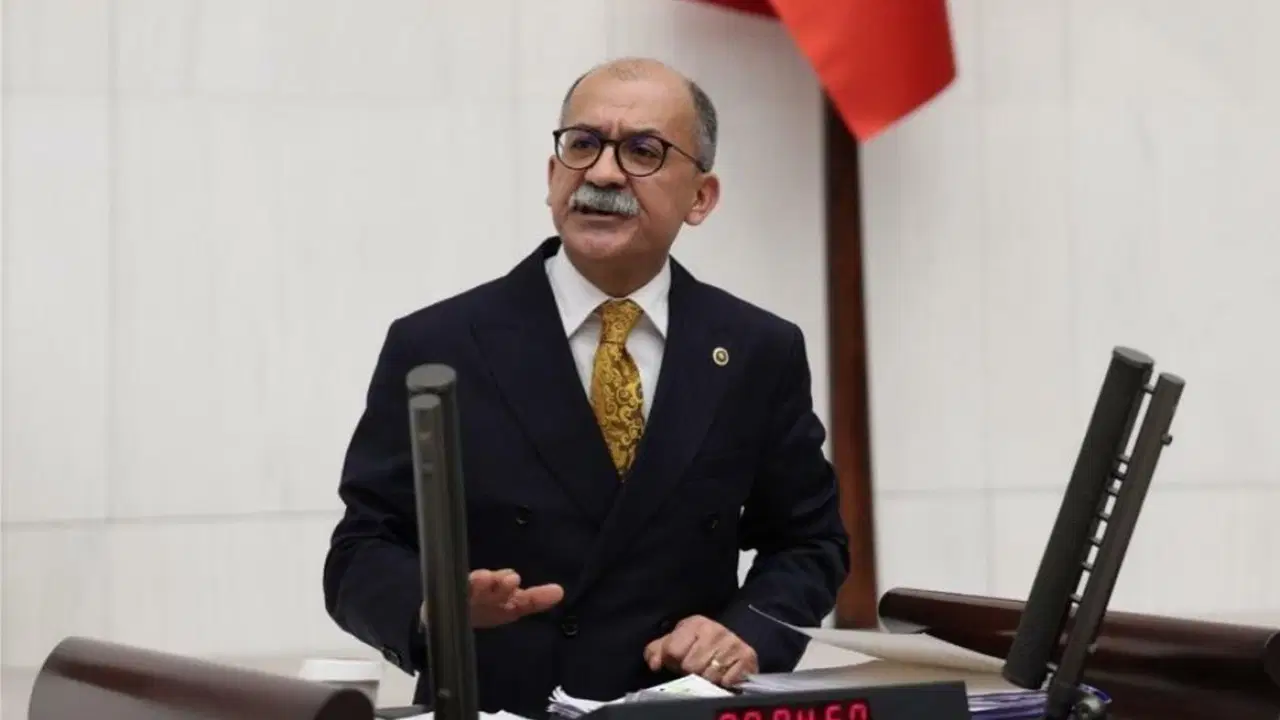
In its concluding remarks, the İYİ Party asserted that the law, contrary to its title, does not promote peace and solidarity for the entire Turkish society. Instead, they claim it creates an exceptional regime outside ordinary legal norms for members of the PKK/KCK terrorist organization and affiliated groups, particularly concerning investigations, prosecutions, and the deprivation of rights. The party appended the names of 7,563 soldiers martyred in the fight against the PKK/KCK to its objection. İYİ Party Deputy Selçuk Türkoğlu described the law as an "amnesty" and a product of an alliance between those who view the Republic of Turkey as having a "100-year advertising break" and those who see it as a "regime of assimilation and oppression." He accused proponents of deliberately creating ethnic problems within the country and attempting to position Apo (referring to Abdullah Öcalan) as a representative of the Kurdish people.
DistantNews Editorial
Originally published by Cumhuriyet in Turkish. Translated, summarized, and contextualized by our editorial team with added local perspective. Read our editorial standards.
More Stories

From Our Blog

What Gets Lost (and Found) When News Is Translated

The Critical Role of Diaspora Media in Global News

What Travellers Should Know About Countries with Restricted Press

A Digital Nomad's Guide to Following Local News

How the Same Story Looks Different in Different Countries
