

İzmir sends a strong message on September 1: Peace with nature, the city, and each other
Translated from Turkish, summarized and contextualized by DistantNews.
At a glance
News
Sources not specified
New plan
- İzmir is hosting a "Peace with Nature" event series from August 31 to September 4, featuring a wide range of cultural and artistic activities.
- The events aim to explore peace not just as the absence of war, but as a harmonious relationship between people, cities, and nature.
- İzmir Metropolitan Municipality Council President Özgür Topaç emphasized the need for peace with nature, especially in the context of the climate crisis, and highlighted the role of cities in fostering peace culture.
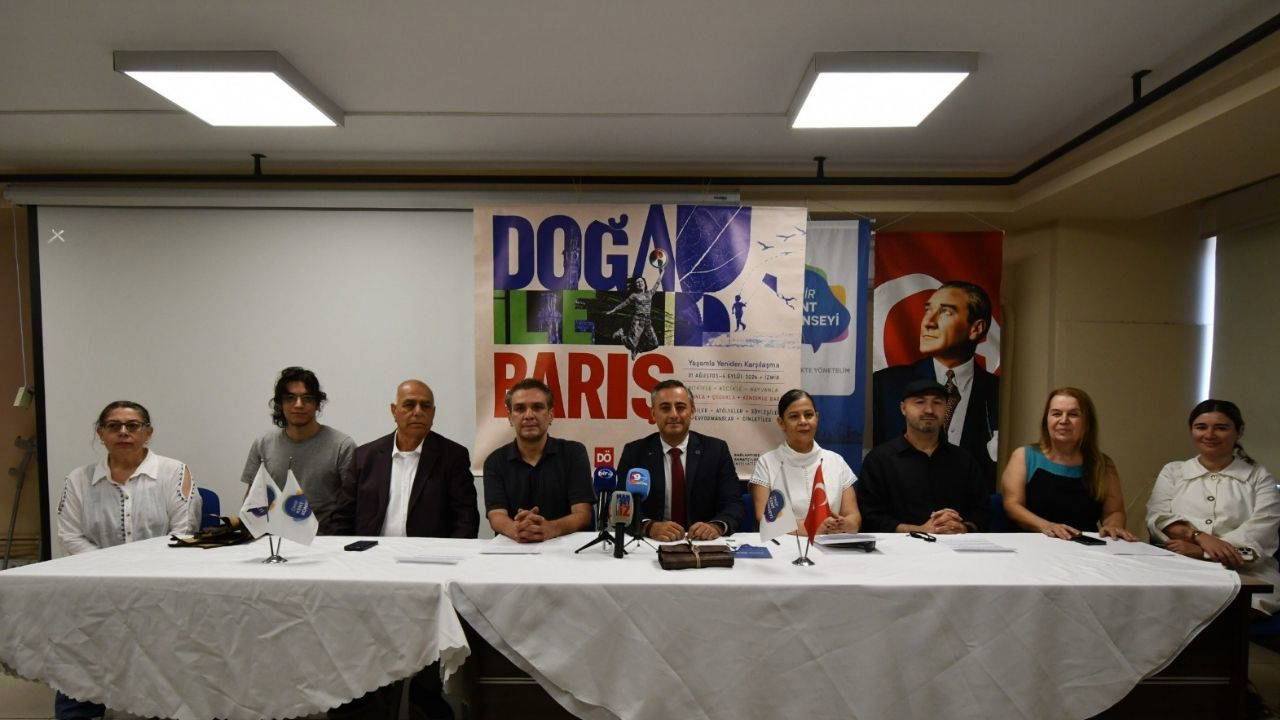
İzmir is set to host a comprehensive series of events titled "Peace with Nature," running from August 31 to September 4. Organized by the İzmir Metropolitan Municipality Council in collaboration with various stakeholders, the festival promises a diverse program. Attendees can expect a rich tapestry of activities, including exhibitions, talks, cycling events, and workshops covering visual arts like painting, ceramics, and mosaics, as well as creative writing, poetry, and traditional arts. The festival will also feature theatrical performances, dance, and music, all aimed at exploring different expressions of peace.
We see peace not just as a world without war, but as the entirety of a just and harmonious relationship that humans establish with each other, with the city, and with nature.
The overarching goal of the program is to broaden the understanding of peace beyond the mere absence of conflict. Organizers intend to examine the concept through a wide-ranging perspective that encompasses human relationships, urban living, social cohesion, and the arts. This approach seeks to highlight how peace is interwoven into the fabric of daily life and cultural expression.
Özgür Topaç, President of the İzmir Metropolitan Municipality Council, stressed the significance of World Peace Day, viewing it as an opportunity to reflect on the culture of coexistence. He invoked the principle of "Peace at home, peace in the world" by Mustafa Kemal Atatürk, stating its continued relevance in a world grappling with wars and humanitarian crises. Topaç articulated his view that peace is not solely the absence of war, but fundamentally the establishment of just and harmonious relationships between individuals, cities, and the natural environment.
We cannot speak of lasting peace without making peace with nature.
Topaç further underscored the urgency of re-evaluating humanity's relationship with nature, particularly in light of the climate crisis. He pointed to escalating issues such as drought, wildfires, diminishing water resources, and biodiversity loss as clear indicators of an unsustainable human-nature dynamic. "We cannot speak of lasting peace without making peace with nature," Topaç asserted, emphasizing that achieving global harmony requires addressing environmental challenges. He also highlighted the crucial role of cities in cultivating a culture of peace, defining them as spaces where diversity thrives, and where citizens have a voice in decision-making processes, thereby embedding peace into everyday life.
Peace at home, peace in the world
DistantNews Editorial
Originally published by Cumhuriyet in Turkish. Translated, summarized, and contextualized by our editorial team with added local perspective. Read our editorial standards.
More Stories



From Our Blog

What Gets Lost (and Found) When News Is Translated

The Critical Role of Diaspora Media in Global News

What Travellers Should Know About Countries with Restricted Press

A Digital Nomad's Guide to Following Local News

How the Same Story Looks Different in Different Countries
