


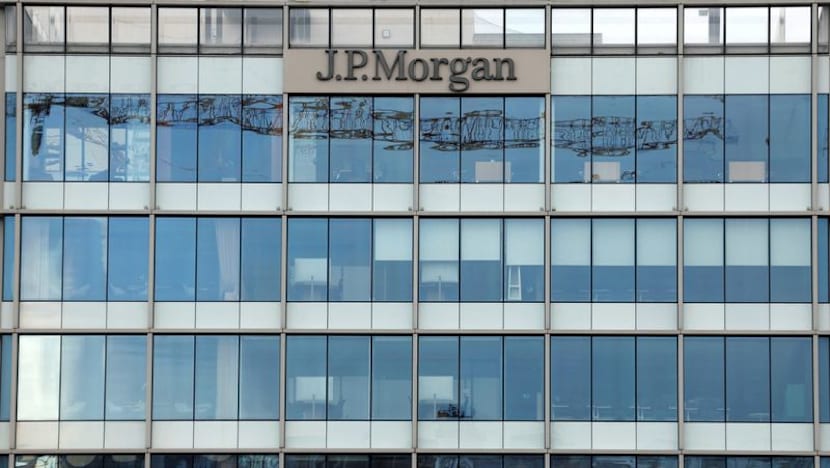
J.P. Morgan lifts 2026-end target for S&P 500 to 8,000 on AI, earnings strength
Summarized and contextualized by DistantNews.
At a glance
News
Named sources
New plan
- J.P. Morgan has raised its year-end target for the S&P 500 index to 8,000, citing strong corporate earnings and AI investment potential.
- The brokerage also increased its earnings-per-share forecasts for 2026 and 2027.
- Despite positive earnings, J.P. Morgan maintained its valuation multiple target due to interest rates and geopolitical risks.
J.P. Morgan has boosted its year-end target for the S&P 500 index to 8,000, up from 7,800, signaling strong confidence in corporate earnings and the accelerating impact of artificial intelligence investments. This upward revision places the index's target at approximately 3.1% above its recent closing price, joining a growing chorus of analysts anticipating the benchmark to reach this milestone by the end of 2026.
Analysts at J.P. Morgan highlighted that the conversion of substantial backlogs into recognized revenue is expected to sustain cloud growth. This, in turn, should validate increased capital expenditures on AI, strengthen order books, and alleviate concerns regarding the return on invested capital. The firm also revised its earnings-per-share projections for the S&P 500, now forecasting $365 for 2026 and $420 for 2027, an increase from previous estimates of $350 and $390, respectively.
Data from LSEG indicates a robust performance in the current earnings season, with 85.1% of the 436 S&P 500 companies that reported June-quarter results surpassing analyst expectations. This figure significantly exceeds the long-term average of 68% since 1994. J.P. Morgan noted that the benefits of AI investments became particularly evident in the second quarter, especially for major tech firms like Google, Amazon, and Microsoft, due to strong cloud growth, expanding backlogs, and improved cash-flow visibility.
Despite the favorable earnings environment, J.P. Morgan maintained its forward valuation multiple target at approximately 20 times. The firm cited persistent factors such as elevated interest rates, ongoing geopolitical risks, and a substantial volume of both equity and debt issuance as reasons for caution. The S&P 500 has already seen a 13.3% gain year-to-date, largely driven by AI optimism, even as market dynamics are influenced by concerns surrounding the Strait of Hormuz and related international discussions.
As elevated backlogs convert into recognized revenue, cloud growth should remain well supported, helping validate rising AI capex, strengthen order coverage, and further ease ROIC (return on invested capital) concerns.
DistantNews Editorial
Originally published by CNA. Summarized and contextualized by our editorial team with added local perspective. Read our editorial standards.
More Stories


From Our Blog

What Gets Lost (and Found) When News Is Translated

The Critical Role of Diaspora Media in Global News

What Travellers Should Know About Countries with Restricted Press

A Digital Nomad's Guide to Following Local News

How the Same Story Looks Different in Different Countries
