



JAAC ban
Summarized and contextualized by DistantNews.
At a glance
Analysis
Sources not specified
New plan
- The Azad Jammu and Kashmir administration banned the Jammu Kashmir Joint Awami Action Committee (JAAC) ahead of a planned protest, also ordering tourists to leave the region.
- The JAAC advocates for civic rights and constitutional changes, including the abolition of seats reserved for refugees from India-held Kashmir.
- The article argues that banning peaceful activism is undemocratic and calls for a political solution through dialogue and the AJK legislature, rather than confrontation.
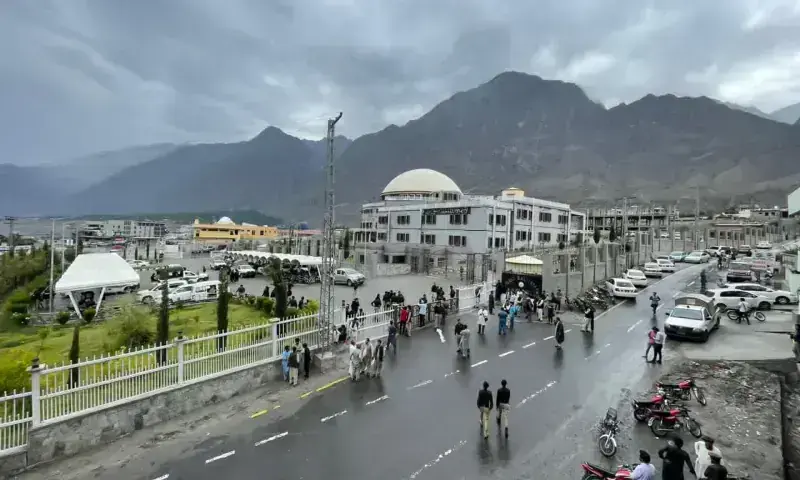
Tensions are high in Azad Jammu and Kashmir (AJK) as the administration has proscribed the Jammu Kashmir Joint Awami Action Committee (JAAC) just days before a planned protest on June 9. The AJK government has also instructed tourists to depart the region during peak season and has reportedly disrupted communications.
This move follows a pattern of confrontations between AJK authorities and the JAAC, with a previous clash in October resulting in fatalities. The JAAC, initially focused on civic rights, now demands significant constitutional changes, notably the elimination of 12 seats allocated to refugees from Indian-administered Kashmir who have settled in AJK. General elections are slated for AJK on July 27.
While acknowledging that the JAAC's demands warrant scrutiny, the article contends that banning any political organization committed to peaceful activism is undemocratic. Peaceful protest is deemed a fundamental right that should not be suppressed. The piece suggests that the JAAC's claims about mainstream Pakistani parties using refugee seats to influence AJK governments hold some truth, as does the observation that many elected on these seats reside outside AJK and may neglect regional affairs.
However, a blanket abolition of refugee seats is also viewed as inadvisable. The article urges both the AJK administration and the JAAC to engage in democratic processes rather than resorting to maximalist stances. It calls for the government to reverse the ban on the JAAC, recognizing its popular support, and warns that suppressing dissent will not make it disappear. Conversely, JAAC leaders are advised to pursue constitutional reforms through the AJK legislature, as delicate legal issues cannot be resolved on the streets.
The piece concludes by emphasizing AJK's sensitive status and the need to avoid disturbances. It advocates for a political solution where both sides meet halfway, discuss differences rationally, and the state addresses the JAAC's genuine grievances while the latter ensures peaceful protest and pursues legal avenues for reform.
DistantNews Editorial
Originally published by Dawn. Summarized and contextualized by our editorial team with added local perspective. Read our editorial standards.
More Stories


From Our Blog

What Gets Lost (and Found) When News Is Translated

The Critical Role of Diaspora Media in Global News

What Travellers Should Know About Countries with Restricted Press

A Digital Nomad's Guide to Following Local News

How the Same Story Looks Different in Different Countries
