


Jamaica media leaders call for communications training overhaul
Translated from English, summarized and contextualized by DistantNews.
At a glance
News
Sources not specified
New plan
- Media leaders and academics in Jamaica are calling for improved communications training to prepare graduates for industry changes.
- They emphasize the need for closer partnerships between universities, employers, and corporations.
- Discussions focused on the value of degrees, internship structures, and practical preparation in the face of AI and shrinking newsrooms.
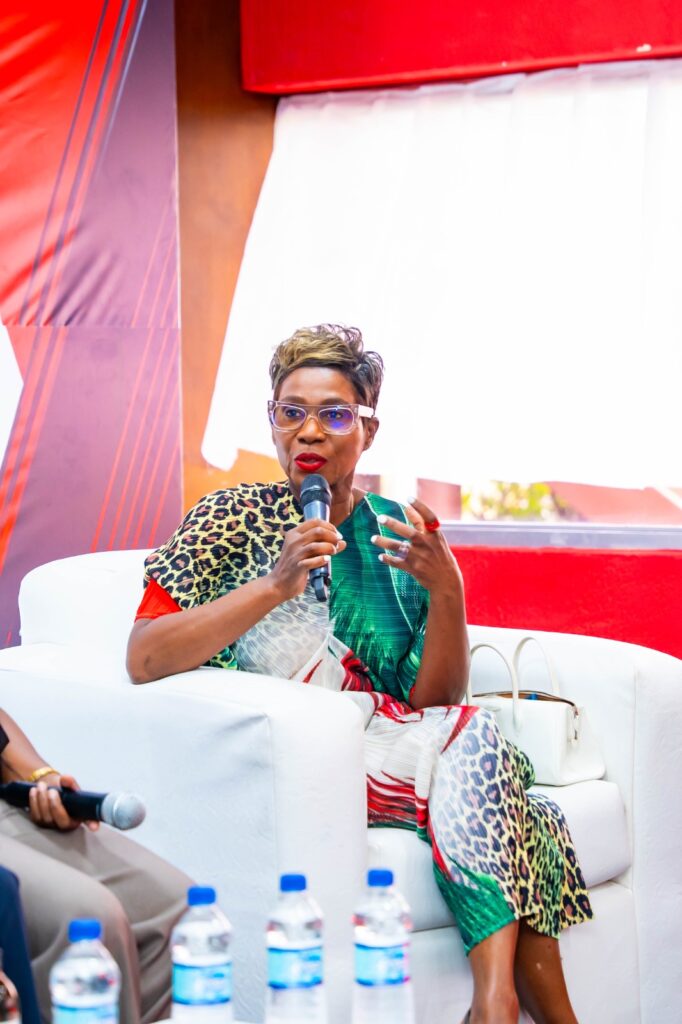
Senior media figures and academics in Jamaica are urging a significant overhaul of communications training, stressing the need for stronger collaborations between universities, employers, and Corporate Jamaica. This call comes as the industry grapples with rapid transformations driven by artificial intelligence, shrinking newsrooms, and evolving audience demands.
A degree shows you can complete a process, remain disciplined, and achieve goals. From there, we can work with you.
During a panel discussion hosted by Red Stripe, editors, journalists, educators, and communications professionals debated the relevance of university degrees and the adequacy of internship programs. While acknowledging the industry's swift changes, which often outpace academic curricula, the participants discussed whether formal qualifications remain essential for success.
Al Edwards, CEO of Our Today, argued that a university degree demonstrates discipline and the ability to complete structured programs, providing a foundation upon which further training can build. However, Dashan Hendricks, Business Content Manager at the Jamaica Observer, countered that academic qualifications alone do not guarantee success. He noted that some of the best reporters he has supervised did not hold degrees, emphasizing the importance of individual aptitude.
I’ve supervised journalists without degrees who became my best reporters. It’s not the degree, it’s the person.
Novia McDonald-Whyte, Senior Associate Editor for Lifestyle at the Jamaica Observer, shifted the focus to the necessity of specialized knowledge. She argued that lifestyle journalists, for instance, must possess deep understanding of subjects like food, design, fashion, travel, and culture, beyond just reporting on events. This subject matter expertise, she contended, is now as crucial as writing ability. The panel also addressed concerns that internships are introduced too late in university programs, limiting students' practical experience. Hendricks proposed strengthening partnerships earlier in degree programs, with longer placements to allow students to gain hands-on experience and employers to help shape emerging talent.
You have to be well read.
DistantNews Editorial
Originally published by Jamaica Observer in English. Translated, summarized, and contextualized by our editorial team with added local perspective. Read our editorial standards.
More Stories
From Our Blog

What Gets Lost (and Found) When News Is Translated

The Critical Role of Diaspora Media in Global News

What Travellers Should Know About Countries with Restricted Press

A Digital Nomad's Guide to Following Local News

How the Same Story Looks Different in Different Countries
