


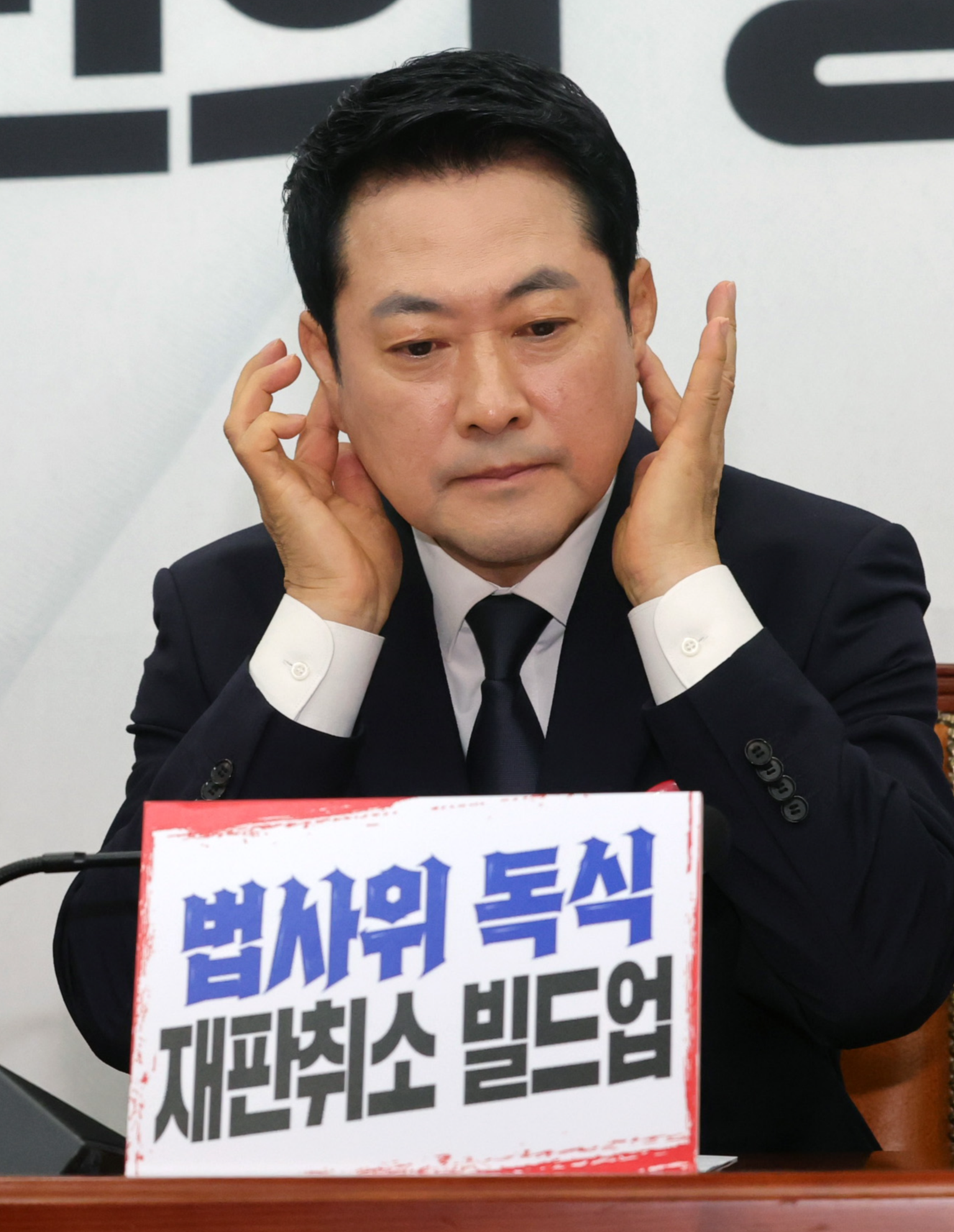
Jang Dong-hyuk: Permanently ban offenders from rejoining party... Internal voices: 'Disciplinary politics leads to ruin'
Translated from Korean, summarized and contextualized by DistantNews.
At a glance
News
Named sources
New plan
- The People Power Party's Central Ethics Committee has resumed operations to review disciplinary requests from the recent local election period.
- Party leader Jang Dong-hyuk proposed permanently banning members who engage in serious party-damaging behavior from rejoining the party.
- This statement has created tension, particularly as it comes amid potential disciplinary actions against factions supporting former interim leader Han Dong-hoon.
South Korea's People Power Party (PPP) has reactivated its Central Ethics Committee, which will now begin reviewing disciplinary requests stemming from the recent local election cycle. The committee's renewed focus on internal discipline has created a tense atmosphere within the party.
For serious party-damaging acts, we must permanently ban them from rejoining the party, even if it requires revising the party constitution and bylaws.
Party leader Jang Dong-hyuk has taken a strong stance, advocating for a permanent ban on re-entry for members found to have engaged in "serious party-damaging behavior." This proposal, if implemented through revisions to party bylaws, could significantly impact the careers of those who have crossed party lines or acted against its interests.
The timing of Jang's remarks is particularly sensitive. They come as certain factions within the party, notably those aligned with former interim leader Han Dong-hoon, are reportedly facing potential disciplinary measures. This has led to interpretations that Jang's call for stricter penalties is aimed at these groups, escalating internal political friction.
Discipline must be handled strictly according to principles and standards.
While a party spokesperson attempted to downplay the remarks, suggesting they were aimed at enforcing general party discipline rather than targeting specific factions, internal dissent is evident. Some party members have voiced concerns that such disciplinary actions could lead to internal conflict and hinder party unity. The ethics committee itself faces scrutiny, with calls for greater transparency and reporting to party leadership, especially after previous disciplinary decisions were overturned by courts. The committee is reportedly reviewing over 70 disciplinary requests, indicating a busy period ahead as it navigates these internal power dynamics.
Disciplinary politics is truly destructive politics.
DistantNews Editorial
Originally published by Dong-A Ilbo in Korean. Translated, summarized, and contextualized by our editorial team with added local perspective. Read our editorial standards.
More Stories


From Our Blog

What Gets Lost (and Found) When News Is Translated

The Critical Role of Diaspora Media in Global News

What Travellers Should Know About Countries with Restricted Press

A Digital Nomad's Guide to Following Local News

How the Same Story Looks Different in Different Countries
