


Japan accused of downplaying Korean influence in UNESCO bid for Asuka sites
Translated from Korean, summarized and contextualized by DistantNews.
At a glance
News
Sources not specified
Context piece
- Japan's promotion of the Asuka-Fujiwara historic sites for UNESCO World Heritage status omits significant Korean exchange evidence in English and Japanese guides.
- While Korean guides detail influence from Goguryeo and Baekje, English and Japanese versions only mention "continental culture" or "major Japanese Buddhist temple."
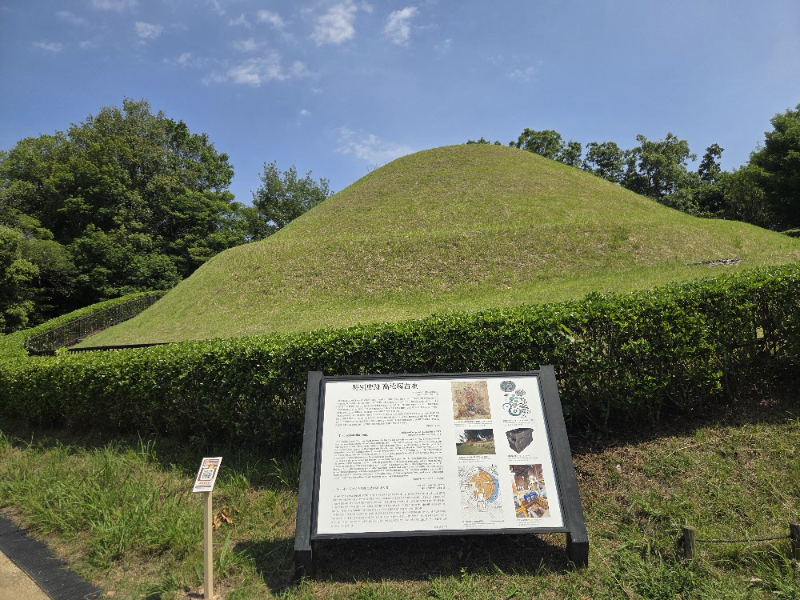
- Experts criticize this historical omission, particularly for sites like the Takamatsuzuka Tomb, which show clear Korean influence, raising concerns about historical revisionism ahead of a World Heritage Committee meeting.
Japan is seeking UNESCO World Heritage status for the Asuka-Fujiwara historic sites, emphasizing their role as a product of close exchange with ancient China and Korea. However, the information provided at the sites, particularly in English and Japanese interpretive materials, appears to downplay or omit the significant influence from the Korean Peninsula.
At the Asuka-dera temple, Japan's first Buddhist temple founded in 596, the Korean-language guide explicitly details the crucial role of technicians and monks from the Korean Peninsula in its construction and development, calling it the "origin of Japanese Buddhist culture." In contrast, the English version highlights it as "Japan's first full-fledged temple," while the Japanese version vaguely mentions "influence from continental culture."
This selective presentation is also evident at other sites, including the Takamatsuzuka Tomb, known for its murals. While the Korean side notes similarities between its murals and those found in Goguryeo tombs, the Japanese interpretation focuses on the rarity of the tomb paintings within Japan. The Korean government has expressed concern, with Professor Lee Han-sang of Daejeon University stating that attempts to minimize Korean influence are academically problematic, especially given historical records like the "Nihon Shoki" and excavated artifacts that confirm the significant involvement of Baekje-descended immigrants.
Experts argue that such omissions contradict the modern emphasis on ethical interpretation of cultural heritage and the UNESCO World Heritage Convention's guidelines, which mandate clear and inclusive explanations. The convention stresses that heritage interpretation should not intentionally exclude significant aspects of historical events or promote intolerance. The National Heritage Administration has acknowledged the situation and is reportedly sharing information with relevant authorities, as the World Heritage Committee prepares to decide on the Asuka-Fujiwara sites' inscription next month.
DistantNews Editorial
Originally published by Dong-A Ilbo in Korean. Translated, summarized, and contextualized by our editorial team with added local perspective. Read our editorial standards.
More Stories



From Our Blog

What Gets Lost (and Found) When News Is Translated

The Critical Role of Diaspora Media in Global News

What Travellers Should Know About Countries with Restricted Press

A Digital Nomad's Guide to Following Local News

How the Same Story Looks Different in Different Countries
