


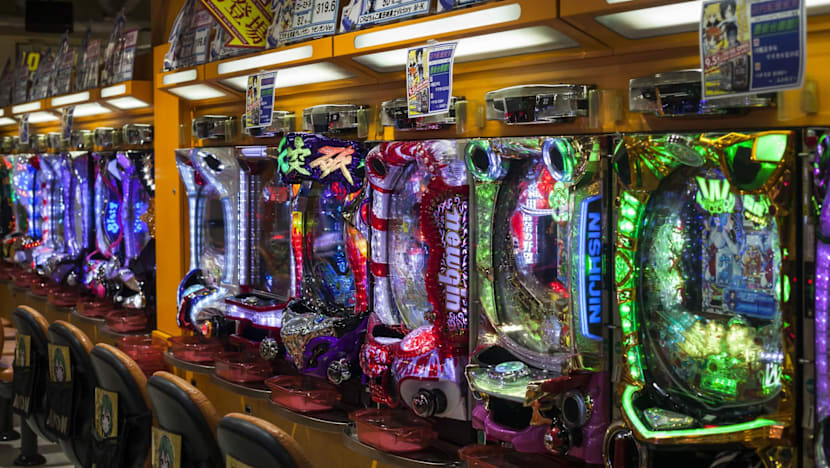
Japan executes pachinko parlour arsonist
Summarized and contextualized by DistantNews.
At a glance
News
From a news agency
Outcome reported
- Japan executed Sunao Takami on Friday for a 2009 arson attack that killed five people.
- The execution was Japan's first since the 'Twitter killer' was put to death in June 2025.
- Japan, along with the U.S., retains capital punishment, with strong public support, though criticism exists regarding the process and transparency.
Japan carried out an execution on Friday, August 21, putting Sunao Takami to death for a deadly arson attack on a pachinko parlor in 2009. Takami had set fire to the establishment, resulting in the deaths of four customers and one employee.
This marks Japan's first hanging since the execution of Takahiro Shiraishi, known as the 'Twitter killer' for his crimes involving nine victims, in June 2025. Japan, alongside the United States, remains one of the few G7 nations to still practice capital punishment. Public opinion polls indicate significant support for the death penalty, with a 2024 government survey showing 83 percent viewing it as "unavoidable."
Despite public backing, the death penalty system in Japan faces criticism. Concerns are often raised about the lack of transparency and the process by which death row inmates are informed of their impending execution, typically on the morning of their final day. Inmates often spend years, sometimes decades, in solitary confinement awaiting their fate, which campaigners argue has severe mental health consequences.
The justice ministry reported one execution in 2022, three in 2021, three in 2019, and 15 in 2018. Approximately 100 individuals are currently on death row. The 2018 figures included Shoko Asahara and 12 followers of the Aum Shinrikyo cult, responsible for the 1995 sarin gas attacks on the Tokyo subway. Legal stipulations require executions within six months of a final verdict, but delays are common. The government began disclosing the names of executed inmates only in 2007, and past cases of wrongful convictions, such as Iwao Hakamada, highlight systemic issues and the potential for "hostage justice" during lengthy pre-trial detentions.
DistantNews Editorial
Originally published by CNA. Summarized and contextualized by our editorial team with added local perspective. Read our editorial standards.
More Stories


From Our Blog

What Gets Lost (and Found) When News Is Translated

The Critical Role of Diaspora Media in Global News

What Travellers Should Know About Countries with Restricted Press

A Digital Nomad's Guide to Following Local News

How the Same Story Looks Different in Different Countries
