


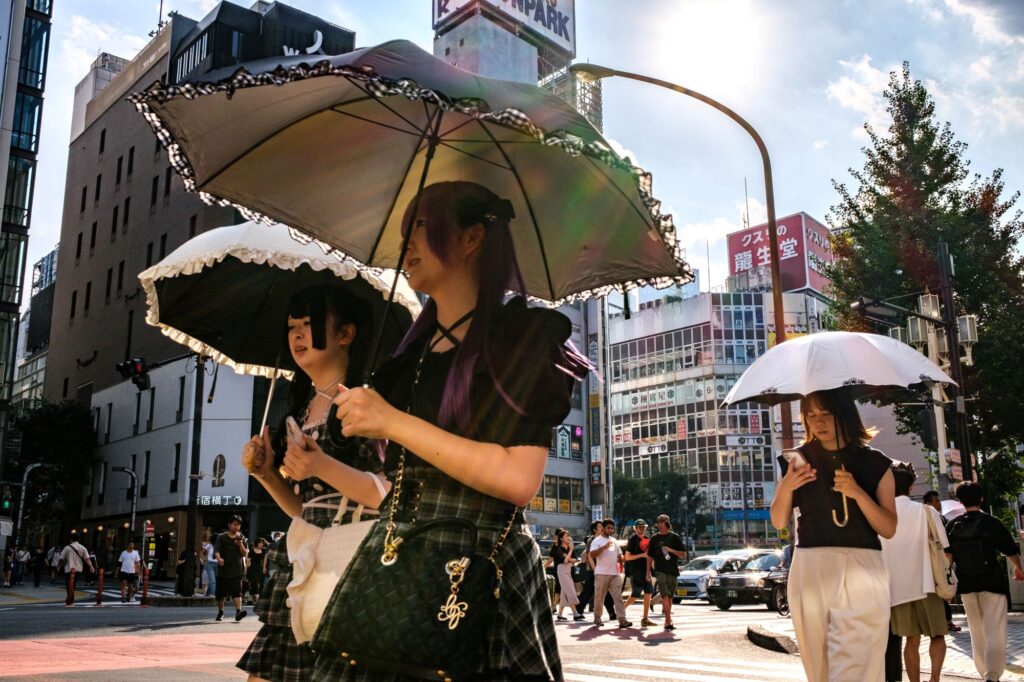
Japan Introduces New Term for Days Exceeding 40 Degrees Celsius
Translated from Malay, summarized and contextualized by DistantNews.
TLDR
- Japan has introduced a new term, 'kokushobi,' to describe days when temperatures exceed 40 degrees Celsius.
- The new term was chosen through a national online poll, with 'super hot day' as the second most popular option.
- This initiative follows a record-breaking heatwave in Japan last summer.
Japan is taking a proactive stance against the escalating threat of extreme heat by officially recognizing and naming the most severe temperature days. The introduction of the term 'kokushobi,' translating to cruel, extreme, or very scorching heat, reflects the nation's growing concern over the impact of climate change on daily life and public health.
The selection of 'kokushobi' through a nationwide poll signifies a collective acknowledgment of the harsh reality of rising temperatures. This is not merely a linguistic exercise; it's a public health measure aimed at raising awareness and preparedness for the dangers associated with unprecedented heatwaves. The government's move acknowledges the severity of last year's record-breaking summer and signals a commitment to better communicating and managing future heat risks.
While international media may report on temperature records, Utusan Malaysia highlights how this Japanese initiative directly addresses the lived experience of its citizens. The new term personalizes the threat, making it more immediate and relatable than a simple numerical reading. This cultural adaptation underscores Japan's unique approach to societal challenges, integrating public sentiment into official terminology to foster a shared sense of urgency and responsibility.
DistantNews Editorial
Originally published by Utusan Malaysia in Malay. Translated, summarized, and contextualized by our editorial team with added local perspective. Read our editorial standards.
More Stories



From Our Blog

What Gets Lost (and Found) When News Is Translated

The Critical Role of Diaspora Media in Global News

What Travellers Should Know About Countries with Restricted Press

A Digital Nomad's Guide to Following Local News

How the Same Story Looks Different in Different Countries
