


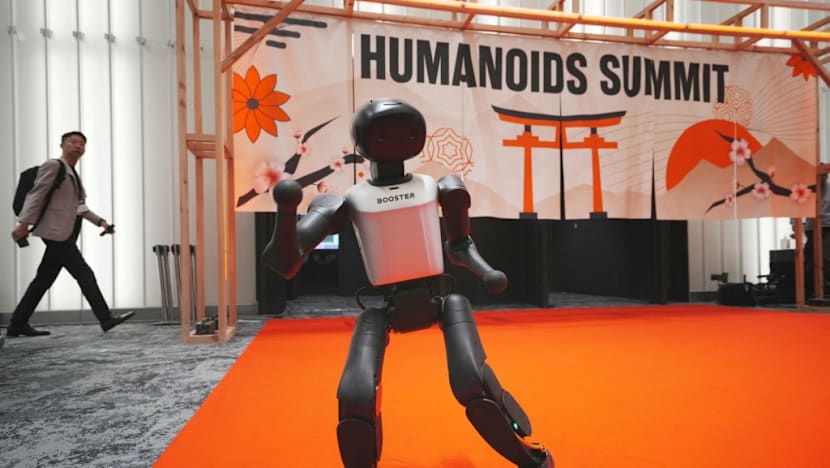
Japan plans sovereign AI model, 10 million AI robots by 2040
Translated from English, summarized and contextualized by DistantNews.
At a glance
News
Named sources
Context piece
- Japan plans to develop a sovereign AI model and deploy 10 million AI robots across 18 sectors by 2040.
- The government will invest approximately $6 billion over five years in the AI model, developed by the Noetra consortium including SoftBank and Sony.
- This initiative aims to reduce reliance on foreign AI technology and address workforce shortages due to Japan's aging population.
Japan is embarking on an ambitious plan to develop its own artificial intelligence model and integrate AI-equipped robots into its economy, aiming for 10 million robots to be operational across 18 sectors by 2040. The government announced this strategy as a move towards technological sovereignty and to combat demographic challenges.
The cornerstone of this initiative is the development of a homegrown AI model, for which the government plans to invest around $6 billion over the next five years. This project will be undertaken by Noetra, a consortium of prominent firms including SoftBank and Sony. The move reflects a global trend where countries are seeking to reduce their dependence on AI technology from major players like the United States and China.
This strategy sets a target of approximately 10 million robots to be deployed by 2040 and, with the addition of the restaurant, food manufacturing and medical sectors, will vigorously promote social implementation across a total of 18 fields.
Industry Minister Ryosei Akazawa stated that the strategy sets a target for "approximately 10 million robots to be deployed by 2040." He added that the scope has been expanded to include sectors like restaurants, food manufacturing, and medicine, vigorously promoting social implementation across a total of 18 fields. The minister emphasized that Japan will build and grow data infrastructure for physical AI and robots that capitalize on the nation's strengths.
Physical AI, which involves deploying artificial intelligence in real-world settings beyond screens, such as in self-driving cars, factory automation, or even robotic assistants, is a key focus. Japan, facing an aging and shrinking population, hopes that widespread robot adoption will help fill labor gaps in its workforce. This AI push is part of a larger 14-year growth strategy that targets significant public and private investment in key technological areas.
We will build and grow data infrastructure for physical AI and robots that capitalise on Japan's strengths.
DistantNews Editorial
Originally published by CNA in English. Translated, summarized, and contextualized by our editorial team with added local perspective. Read our editorial standards.
More Stories


From Our Blog

What Gets Lost (and Found) When News Is Translated

The Critical Role of Diaspora Media in Global News

What Travellers Should Know About Countries with Restricted Press

A Digital Nomad's Guide to Following Local News

How the Same Story Looks Different in Different Countries
