

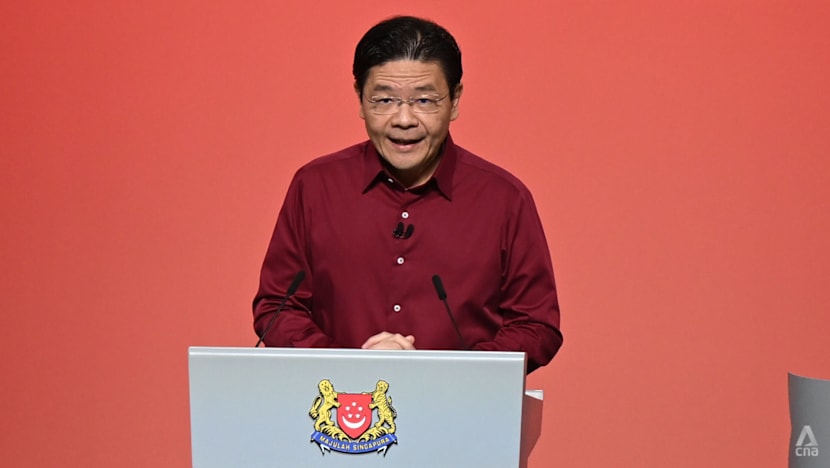

Japan PM Sanae Takaichi defends habit of staying at official residence
Summarized and contextualized by DistantNews.
At a glance
News
Sources not specified
Context piece
- Japanese Prime Minister Sanae Takaichi defends her practice of working from her official residence, citing efficiency and reduced burden on staff.
- Critics point to reduced meetings with officials and fewer media interactions compared to predecessors, alongside a drop in approval ratings.
- Takaichi argues her residence provides a suitable workspace and minimizes the need for security personnel, allowing for longer working hours.
Japanese Prime Minister Sanae Takaichi has defended her preference for working from her official residence, asserting it allows for extended work hours without unduly burdening her staff. She stated on the social media platform X that the residence serves as a functional workplace, comparable to the Prime Minister's Office, especially for meetings held there.
Work conducted at the official residence, such as meetings held there, are not reported as part of the prime minister’s daily schedule, but from my perspective it’s also a workplace.
Takaichi, known for her demanding work schedule since taking office in late 2025, claims to get minimal sleep. Reports indicate she spends over half of her weekends and holidays at her residence. An analysis of her schedule revealed fewer meetings with finance ministry officials and the lowest number of Cabinet office meetings among prime ministers in the past 14 years. She also engages less with the media, opting instead for frequent posts on X.
This distinct leadership style, characterized by direct communication with voters and a departure from the consensus-driven approach of some predecessors, contributed to her significant election victory. However, her solitary working habits and focus on legislation perceived as detached from cost-of-living concerns have drawn criticism from opposition lawmakers and media commentators, coinciding with a dip in her approval ratings.
I have created a working environment that is essentially no different from when I am working at the Prime Minister’s Office.
In her defense, Takaichi emphasized that her residence offers a conducive working environment. She also highlighted that by minimizing her need to travel, she reduces the demands placed on her security detail. She noted that leaving the residence, particularly on holidays or during off-peak hours, requires a substantial number of security officers, and she aims to lessen this burden whenever possible.
On holidays, as well as early in the morning and late at night on weekdays, I try not to leave the Official Residence unless it is absolutely necessary. That is because whenever I go out, it requires a substantial number of SP officers and places a considerable burden on them.
DistantNews Editorial
Originally published by The Straits Times. Summarized and contextualized by our editorial team with added local perspective. Read our editorial standards.
More Stories

From Our Blog

What Gets Lost (and Found) When News Is Translated

The Critical Role of Diaspora Media in Global News

What Travellers Should Know About Countries with Restricted Press

A Digital Nomad's Guide to Following Local News

How the Same Story Looks Different in Different Countries
