


Japan pushes for defense pact, South Korea cites public sentiment
Translated from Korean, summarized and contextualized by DistantNews.
At a glance
Analysis
Sources not specified
Context piece
- Japan is eager to sign a mutual defense support agreement (ACSA) with South Korea, citing China's growing threat.
- South Korean President Yoon Suk-yeol stated that signing the ACSA is difficult due to public sentiment, despite acknowledging its practical necessity.
- The agreement would allow for mutual military logistical support, but concerns remain in South Korea about potential implications for the Self-Defense Forces' involvement on the Korean Peninsula.
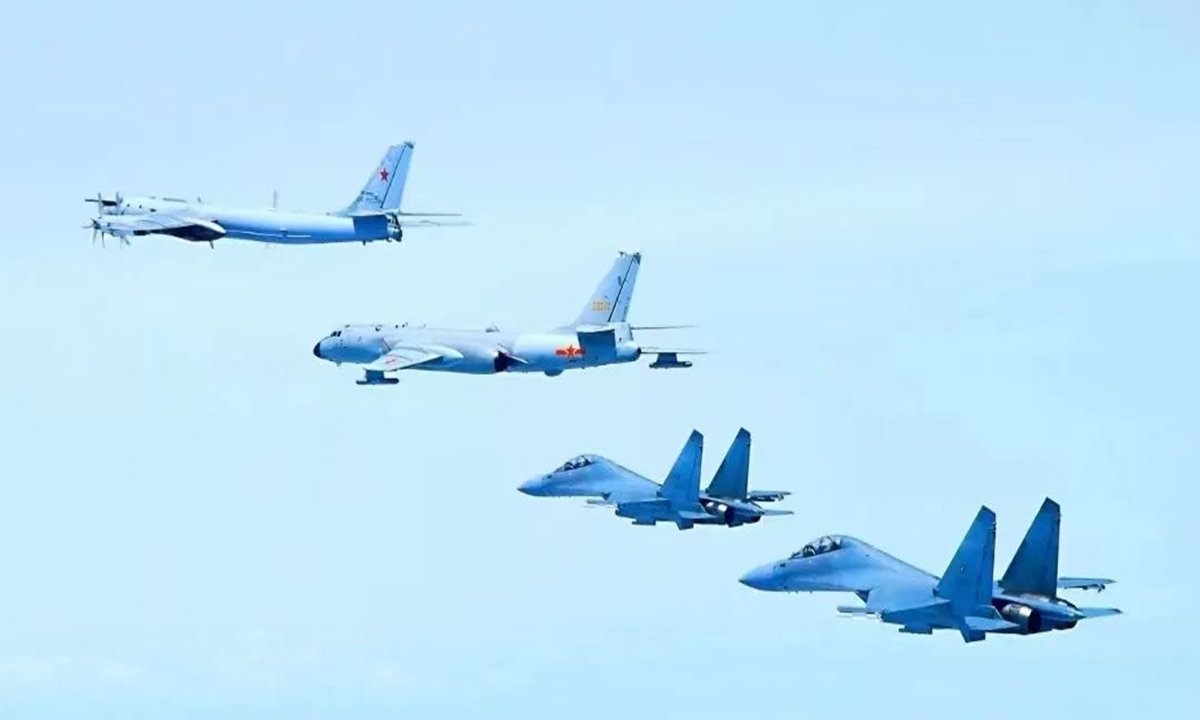
Japan is actively seeking to finalize a mutual defense support agreement (ACSA) with South Korea, driven by increasing concerns over China's military expansion and potential threats in the region. Japanese defense officials and politicians have expressed curiosity about South Korea's reluctance to proceed with the pact, especially given the geographical proximity and shared security interests.
I told Prime Minister Kishida that it is difficult to accept due to public sentiment. While there is a realistic need, if we push for the agreement now, the South Korean public will think, 'What is this all about?'
Japan's westernmost island, Yonaguni, lies just 110 kilometers from Taiwan, highlighting Japan's vulnerability in the event of a conflict in the Taiwan Strait. This proximity, coupled with assessments that China may be planning a military invasion of Taiwan by 2027, has intensified Japan's focus on strengthening alliances.
South Korean President Yoon Suk-yeol acknowledged the practical need for the ACSA, which facilitates the exchange of military resources like fuel, ammunition, and logistical support. He recalled a past instance where the Korean peacekeeping unit in South Sudan received crucial ammunition from Japan's Ground Self-Defense Force. However, Yoon stated that signing the agreement is "difficult to accept due to public sentiment" in South Korea, suggesting that many citizens would find it incomprehensible.
If the agreement is concluded, it will lead to smoother cooperation.
The hesitation in South Korea stems partly from historical grievances and concerns that the ACSA could pave the way for Japan's Self-Defense Forces to operate on the Korean Peninsula during emergencies. While South Korea has signed similar agreements with 17 other countries, including the United States, European nations, and several Asian countries, Japan remains a notable exception. Both nations recognize the need to move beyond this impasse, with Japanese officials urging cooperation and South Korean commentators suggesting that building trust and addressing public concerns should precede the agreement's finalization.
Actively utilizing the system is the way for both sides.
DistantNews Editorial
Originally published by Dong-A Ilbo in Korean. Translated, summarized, and contextualized by our editorial team with added local perspective. Read our editorial standards.
More Stories

From Our Blog

What Gets Lost (and Found) When News Is Translated

The Critical Role of Diaspora Media in Global News

What Travellers Should Know About Countries with Restricted Press

A Digital Nomad's Guide to Following Local News

How the Same Story Looks Different in Different Countries
