



Japan ready to act on yen, in contact with US, finance minister says
Translated from English, summarized and contextualized by DistantNews.
At a glance
News
Named sources
Context piece
- Japan's Finance Minister Satsuki Katayama reiterated the government's readiness to intervene in currency markets to address the yen's weakness.
- The yen has been under pressure, nearing a 40-year low against the dollar, prompting market speculation about potential intervention.
- Katayama also emphasized maintaining confidence in the Japanese government bond market amid rising yields.
Japan's Finance Minister Satsuki Katayama has signaled the government's resolve to act on currency movements, reinforcing warnings against speculative trading. "Our stance has not changed. We will respond appropriately at any time as needed," Katayama stated at a press conference, addressing the yen's persistent decline.
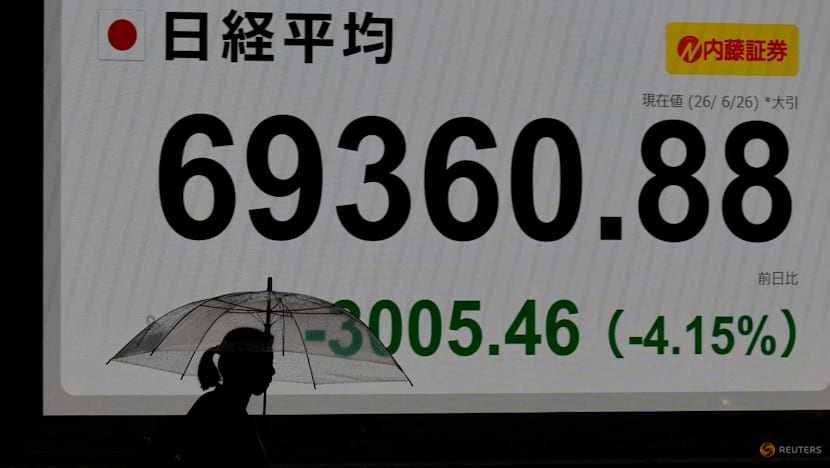
The yen has been trading near a 40-year low against the U.S. dollar, trading at 161.2 yen on Friday. This weakness has fueled market anticipation of possible intervention by Japanese authorities. A sudden jump in the yen against the dollar on Thursday briefly raised hopes of intervention, though traders deemed the move too small to confirm official action. Subsequent softer-than-expected U.S. jobs figures further weakened the dollar, providing additional support to the yen.
Our stance has not changed. We will respond appropriately at any time as needed.
Beyond currency concerns, Katayama also addressed the rising yields on Japanese government bonds (JGBs). She stressed the government's commitment to upholding confidence in the bond market and ensuring the sustainability of public finances. Benchmark JGB yields had reached a near 30-year high on Friday, driven by investor concerns about the Japanese economy's fiscal health.
Katayama also highlighted ongoing communication with U.S. authorities regarding foreign exchange issues. This close contact persists even during U.S. holidays, underscoring the importance of bilateral coordination on global economic matters.
even when the U.S. is on holiday.
DistantNews Editorial
Originally published by CNA in English. Translated, summarized, and contextualized by our editorial team with added local perspective. Read our editorial standards.
More Stories


From Our Blog

What Gets Lost (and Found) When News Is Translated

The Critical Role of Diaspora Media in Global News

What Travellers Should Know About Countries with Restricted Press

A Digital Nomad's Guide to Following Local News

How the Same Story Looks Different in Different Countries
