


Japan's Asahi warns South Korea over 'Dutch disease' risks amid semiconductor boom
Translated from Korean and summarized by DistantNews. Read the original for the full story.
At a glance
Analysis
Sources not specified
Context piece
- Japanese newspaper Asahi Shimbun warned South Korea about the risks of 'Dutch disease' due to its booming semiconductor industry.
- The paper cautioned that over-concentration of talent and investment in semiconductors could harm other sectors and widen social inequality.
- Asahi highlighted that while exports are surging, reliance on imported manufacturing equipment limits the trickle-down effect to the broader economy.
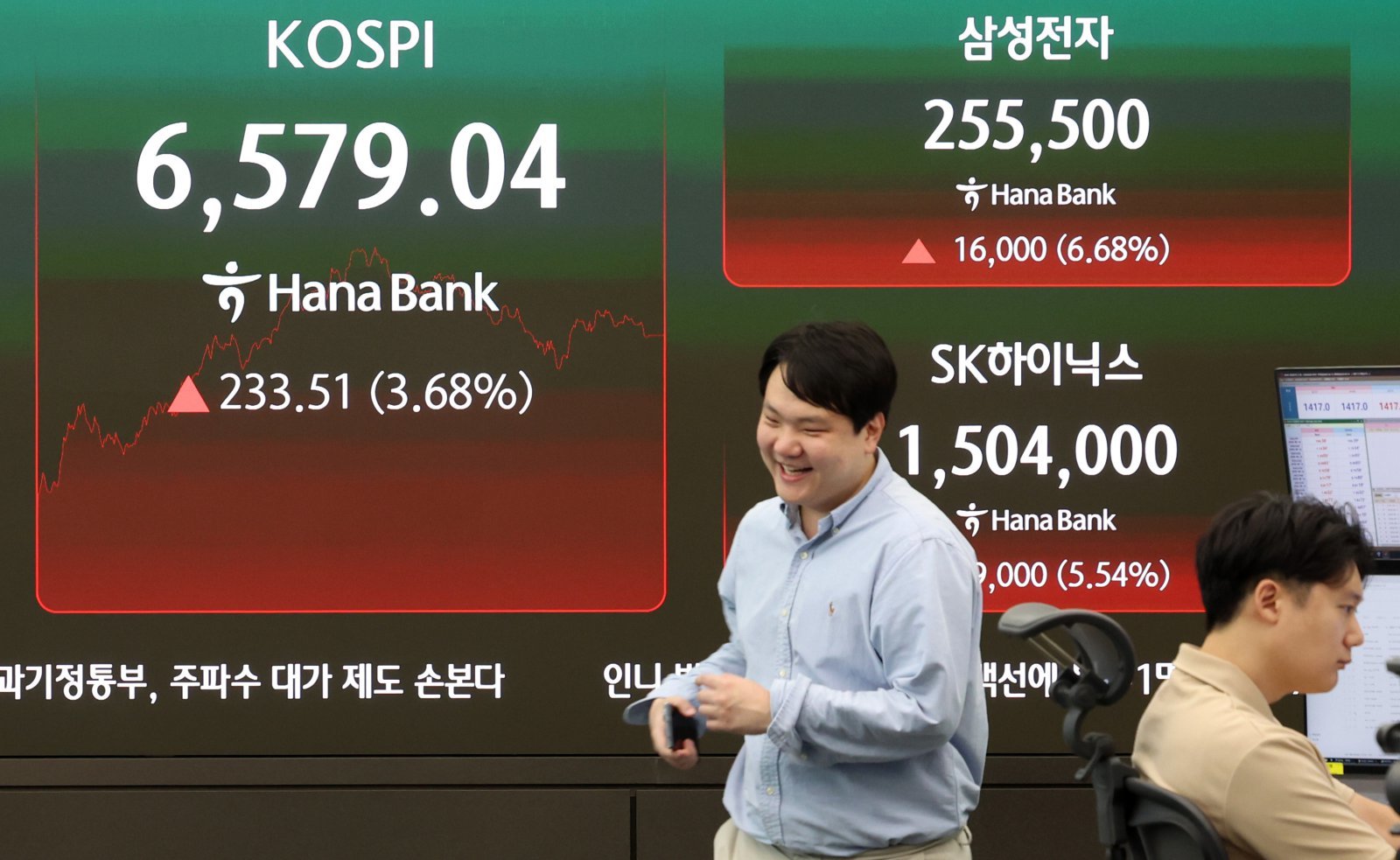
South Korea's booming semiconductor industry, while driving record export growth, carries long-term structural risks that could harm the broader economy, according to a warning from Japan's Asahi Shimbun.
In a column titled 'Should we be excited about the semiconductor boom? The risks facing the South Korean economy,' Kiyohide Inada, a former Seoul correspondent for Asahi, cautioned against potential 'Dutch disease.' This economic phenomenon occurs when a surge in a specific sector, like natural resources or, in this case, semiconductors, leads to the neglect and decline of other industries.
Should we be excited about the semiconductor boom? The risks facing the South Korean economy
Inada pointed to a recent Bank of Korea report that also noted the need to be mindful of 'Dutch disease' risks. South Korea's semiconductor exports more than doubled in the first half of the year, accounting for about 40% of total exports, driven by increased demand for memory chips used in AI data centers. However, the article notes that about 60% of manufacturing equipment is imported, potentially limiting how much the semiconductor sector's success benefits the wider economy through investment and job creation.
The concentration of talent and investment in the semiconductor industry could lead to the decline of other sectors, exacerbating existing social inequalities. While President Lee Jae-myung has spoken of creating a fund to invest in future-oriented areas and share the benefits of the boom, Asahi suggests that the current boom may not solve deep-seated structural problems, such as the gap between large and small companies or between the capital region and other areas. The newspaper concluded that how South Korea spreads the benefits of the semiconductor boom to its citizens and connects it to future economic prosperity will be crucial, stating that the nation stands at a crossroads.
There is a need to be mindful of the possibility of 'Dutch disease'.
About this summary
Originally published by Dong-A Ilbo in Korean. Translated, summarized, and contextualized automatically by DistantNews, with a note on how the source frames the story. Not individually reviewed before publishing. How this works.
More Stories


From Our Blog

What Gets Lost (and Found) When News Is Translated

The Critical Role of Diaspora Media in Global News

What Travellers Should Know About Countries with Restricted Press

A Digital Nomad's Guide to Following Local News

How the Same Story Looks Different in Different Countries
