


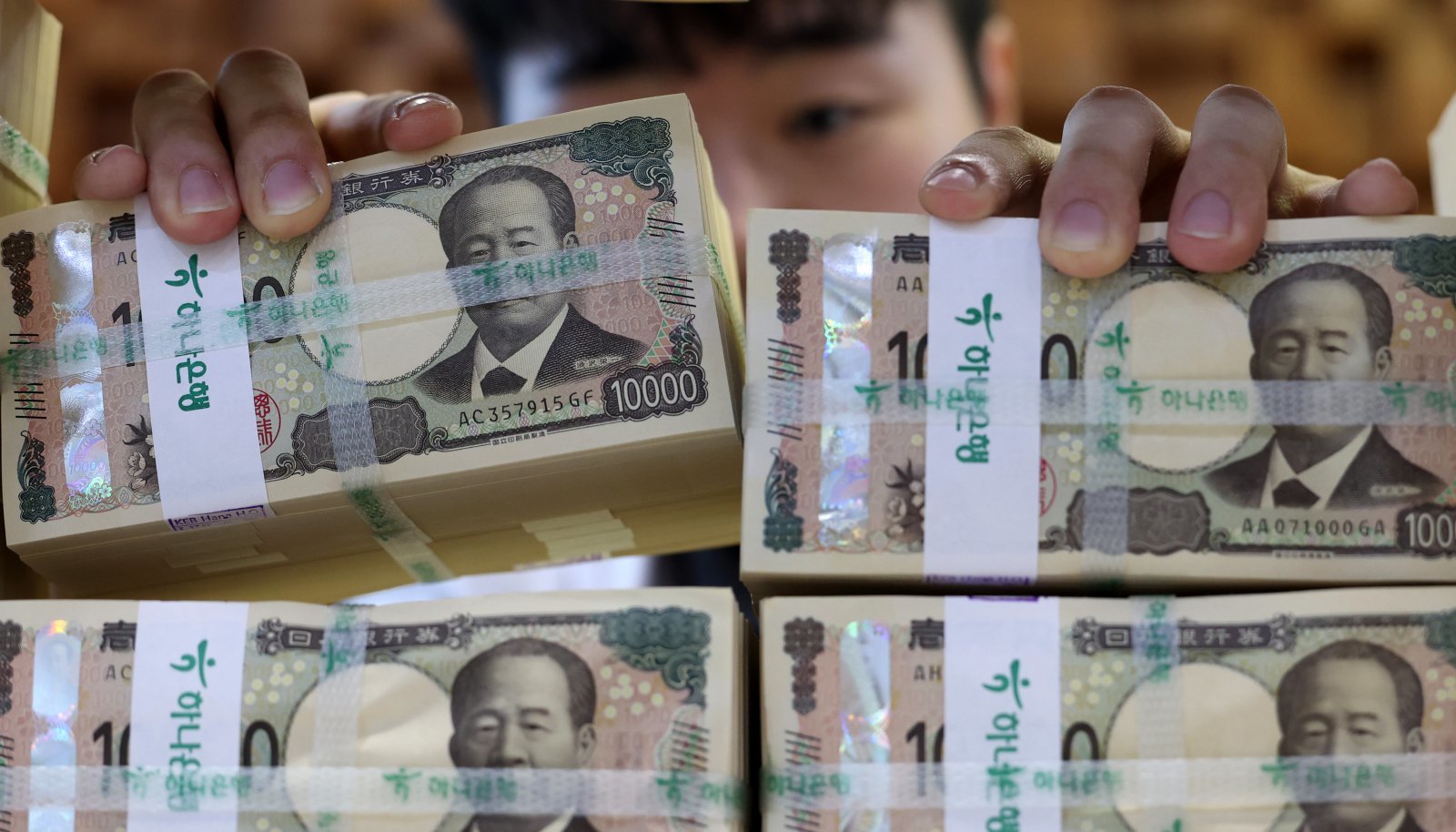
Japan's National Debt Hits Record High, Expected to Exceed 13 Trillion Yen by Year-End
Translated from Korean, summarized and contextualized by DistantNews.
At a glance
News
Named sources
Context piece
- Japan's national debt reached a record high of 1,346.68 trillion yen (approximately 11,970 trillion won) as of the end of June.
- The debt is projected to exceed 1,492.8 trillion yen (approximately 13,270 trillion won) by the end of 2026.
- Concerns are rising in financial markets about the government's expansionary fiscal policies, particularly regarding potential tax cuts and defense spending.
Japan's national debt has surged to a record high, reaching 1,346.68 trillion yen (approximately 11,970 trillion won) by the end of June, according to the Ministry of Finance. This figure represents an increase of 2.84 trillion yen from the previous quarter. The primary driver of this debt accumulation is the continued reliance on issuing government bonds to cover the gap between government spending and revenue.
The situation is expected to worsen, with projections indicating that the national debt will surpass 1,492.8 trillion yen (approximately 13,270 trillion won) by the end of 2026. This forecast is influenced by the government's fiscal plans, including the proposed reduction of the consumption tax rate on food items to a "real zero" by providing subsidies. While Prime Minister Sanae Takaichi has stated that the approximately 5 trillion yen needed for this measure will not be financed by deficit-covering bonds, financial markets remain wary.
Concerns are mounting over the Takaichi cabinet's expansionary fiscal policies. The Nikkei newspaper noted that the government's continuous fiscal operations, funded by debt, are a cause for worry. The potential for rising long-term interest rates looms as a risk associated with these policies.
Furthermore, future fiscal demands, such as the review of defense spending, add to the uncertainty. The ability of the government to control its national debt will be a critical factor in maintaining market confidence. The sustained increase in debt highlights ongoing challenges in balancing fiscal sustainability with economic stimulus measures.
Concerns about the Takaichi cabinet's expansionary fiscal policy are emerging in the market.
DistantNews Editorial
Originally published by Dong-A Ilbo in Korean. Translated, summarized, and contextualized by our editorial team with added local perspective. Read our editorial standards.
More Stories


From Our Blog

What Gets Lost (and Found) When News Is Translated

The Critical Role of Diaspora Media in Global News

What Travellers Should Know About Countries with Restricted Press

A Digital Nomad's Guide to Following Local News

How the Same Story Looks Different in Different Countries
