


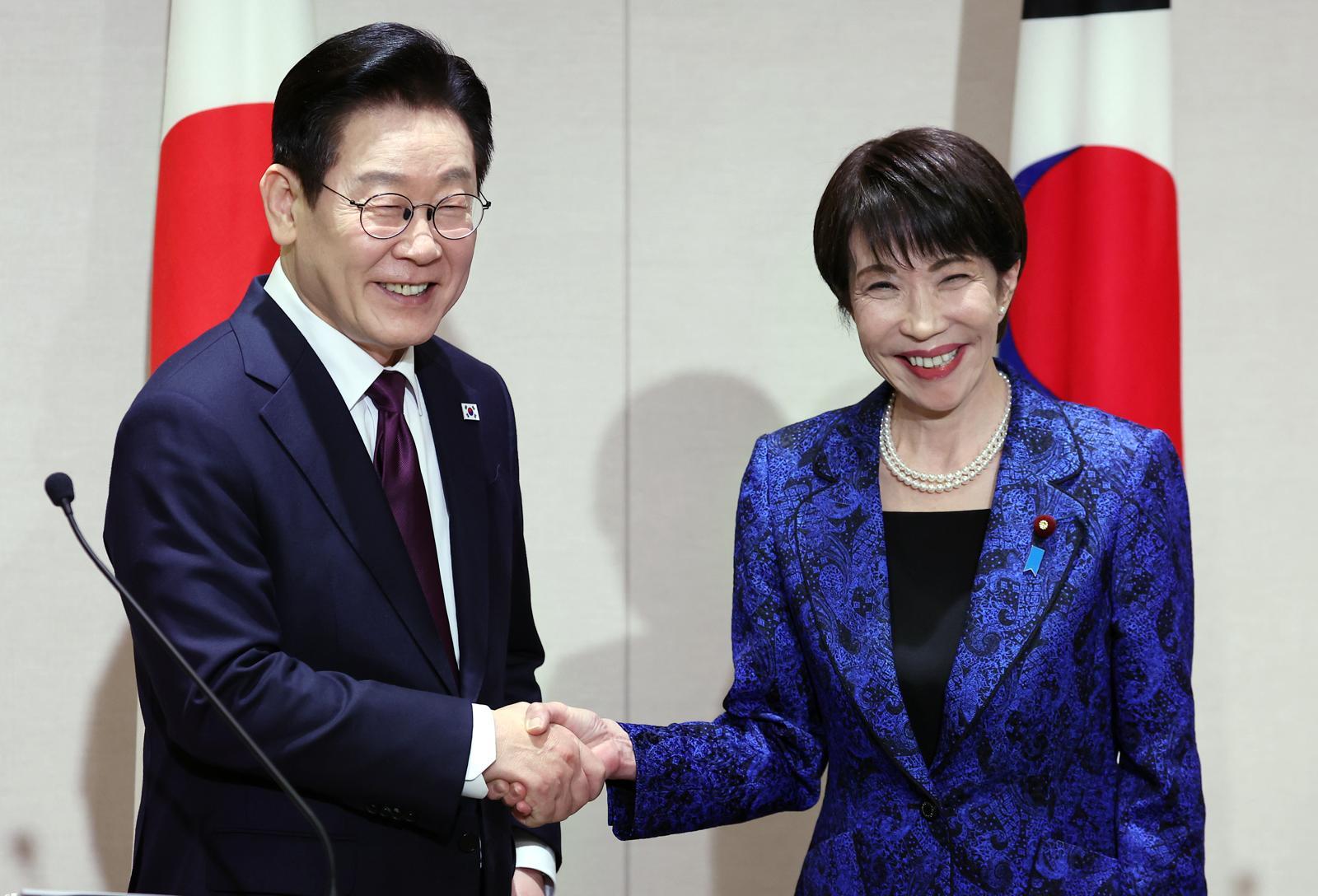
Japan's PM Takaichi Offers Ritual Item to Yasukuni Shrine, Avoids Personal Visit
Translated from Korean, summarized and contextualized by DistantNews.
TLDR
- Japanese Prime Minister Sanae Takaichi offered a ritual item to the Yasukuni Shrine, which enshrines Class-A war criminals, but did not visit in person.
- The move is seen as an effort to minimize diplomatic friction, particularly with South Korea and China, following past controversies over shrine visits by Japanese leaders.
- Since 2013, Japanese prime ministers have customarily sent ritual items instead of visiting personally, a practice that began after then-Prime Minister Shinzo Abe's visit caused friction with the United States.
Prime Minister Sanae Takaichi's decision to offer a ritual item to the Yasukuni Shrine, rather than making a personal visit, reflects a delicate balancing act in Japanese politics. While the Yasukuni Shrine holds deep significance for many in Japan as a place to honor fallen soldiers, its enshrinement of Class-A war criminals makes visits a highly sensitive issue internationally, particularly for neighboring countries like South Korea and China.
Prime Minister Sanae Takaichi offered a ritual item to the Yasukuni Shrine, which enshrines Class-A war criminals, but did not visit in person.
The practice of offering ritual items, rather than direct visits, has become a de facto custom for Japanese prime ministers since 2013. This shift was prompted by the diplomatic fallout from then-Prime Minister Shinzo Abe's visit, which drew criticism from the United States. This approach allows the government to acknowledge the shrine's importance domestically without provoking significant international backlash.
The Japanese prime minister offered the ritual item 'masakaki' in the name of 'Prime Minister Sanae Takaichi' during the Yasukuni Shrine's spring festival, which began on the 21st.
From a Japanese perspective, this nuanced approach attempts to navigate the complex emotions and historical narratives surrounding Yasukuni. While some may view the offering as a symbolic gesture of respect, others might see it as a necessary concession to international relations. The media's interpretation highlights the government's awareness of regional sensitivities, suggesting a strategic calculation to avoid exacerbating historical grievances while still maintaining a connection to national memory.
Japanese media interpreted this as an intention to minimize diplomatic friction, considering the inevitable backlash from South Korea and China if Prime Minister Takaichi visited the Yasukuni Shrine.
DistantNews Editorial
Originally published by Dong-A Ilbo in Korean. Translated, summarized, and contextualized by our editorial team with added local perspective. Read our editorial standards.
More Stories


From Our Blog

What Gets Lost (and Found) When News Is Translated

The Critical Role of Diaspora Media in Global News

What Travellers Should Know About Countries with Restricted Press

A Digital Nomad's Guide to Following Local News

How the Same Story Looks Different in Different Countries
