


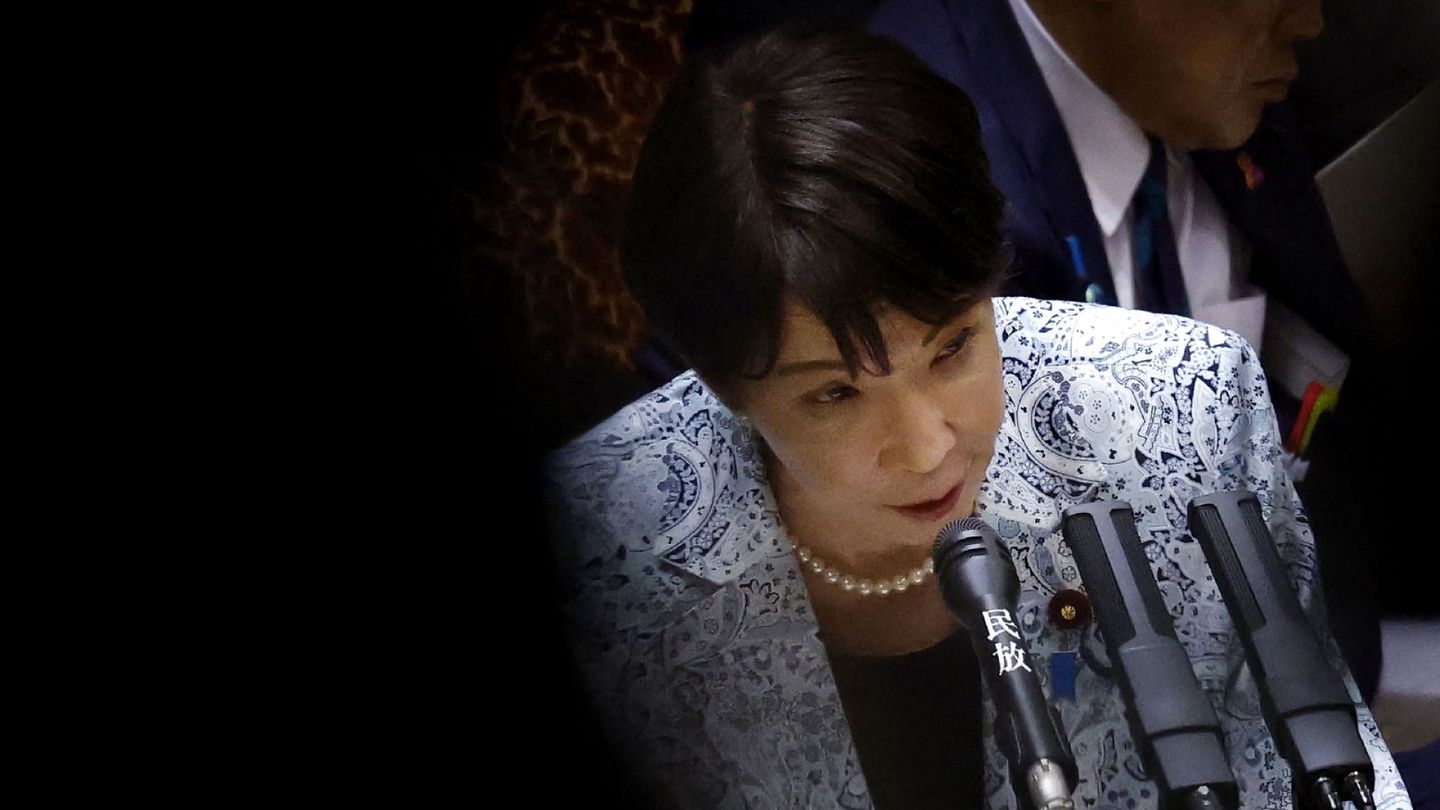
Japan's Prime Minister claims 0-3 hours of sleep nightly, sparking controversy
Translated from Finnish, summarized and contextualized by DistantNews.
At a glance
News
Named sources
Context piece
- Japanese Prime Minister Sanae Takaichi sparked controversy by stating she typically sleeps only 0-3 hours per night since becoming prime minister.
- She mentioned using her weekends and holidays for tasks like sorting correspondence and reading strategy papers, even ironing her own underwear.
- Critics argue that delegating tasks and prioritizing rest are essential for a prime minister, while Japan's work culture is known for leading to burnout and 'karoshi' (death from overwork).
Japanese Prime Minister Sanae Takaichi has ignited a national debate about work-life balance and the country's demanding work culture after revealing she often sleeps just 0-3 hours per night. Takaichi made the comments on the X platform, noting that she had managed a full five hours of sleep for the first time in a long while during a public holiday.
I slept a full five hours for the first time in a long time.
She detailed how she dedicates her weekends and holidays to tasks such as reviewing correspondence, reading strategy papers, and even performing domestic chores like ironing her own underwear and mending torn skirts. This admission has drawn criticism from opposition politicians who question her approach to leadership and time management.
Yuichiro Tamaki, leader of the opposition Constitutional Democratic Party, stated that a leader's job includes delegating tasks. He suggested it would be better for Takaichi to focus her time on decisions only a prime minister can make, emphasizing that resting the mind and body is also part of the job. Hiroyuki Konishi, another opposition politician, called for Takaichi's resignation, arguing that a prime minister's true work involves setting policy direction and giving instructions, not scrutinizing every detail of documents.
It would be better [for Takaichi] if she focused her time on decisions that only the prime minister can make. Resting the mind and body is also part of the job.
Japan's intense work culture has long been associated with employee burnout, mental health issues, and the phenomenon of 'karoshi,' or death from overwork. A notable case from 2015 involved a 24-year-old advertising professional who died by suicide after working over 100 hours of overtime for several months. In response, Japan enacted a law in 2018 to limit overtime, but its effectiveness is debated, as 2024 statistics showed a record number of over 1,300 work-related accidents, including deaths and suicides, linked to overtime.
The prime minister's real job is to decide the direction of policy and give instructions, not to go through every detail of the document.
Even before becoming prime minister, Takaichi expressed skepticism about work-life balance, pledging to "work, work, work, work, and keep working" and encouraging party colleagues to work like "workhorses." In November, she mentioned sleeping only about two hours a night, remarking, "I think it's bad for my skin." While a small genetic group of people are short sleepers needing only four hours, experts like Anu-Katriina Pesonen, a sleep researcher at the University of Helsinki, state that "no one sleeps zero hours."
No one sleeps zero hours.
DistantNews Editorial
Originally published by Helsingin Sanomat in Finnish. Translated, summarized, and contextualized by our editorial team with added local perspective. Read our editorial standards.
More Stories


From Our Blog

What Gets Lost (and Found) When News Is Translated

The Critical Role of Diaspora Media in Global News

What Travellers Should Know About Countries with Restricted Press

A Digital Nomad's Guide to Following Local News

How the Same Story Looks Different in Different Countries
