


Japanese encephalitis cases on rise in Jhapa
Summarized and contextualized by DistantNews.
At a glance
News
Sources not specified
Ongoing story
- Japanese encephalitis (JE) cases have increased in Jhapa, Nepal, with 10 infections reported.
- Five people have died from the disease, including a seven-month-old baby.
- Health officials are urging residents to take preventive measures against mosquito bites.
The onset of the rainy season in Jhapa, Nepal, has coincided with a worrying rise in Japanese encephalitis (JE) cases. The district has recorded a total of 10 infections, with a recent case confirmed in Mechinagar. Tragically, five individuals have succumbed to the disease, a group that includes three men and two women.
According to the Public Health Office, the infections are spread across several areas, with four cases in Mechinagar and others reported in Haldibari, Bahradashi, Kachankawal, Birtamod, and Arjundhara. Currently, two patients remain under treatment, while three have recovered and been discharged. The youngest infected is a seven-month-old baby, highlighting the vulnerability of all age groups.
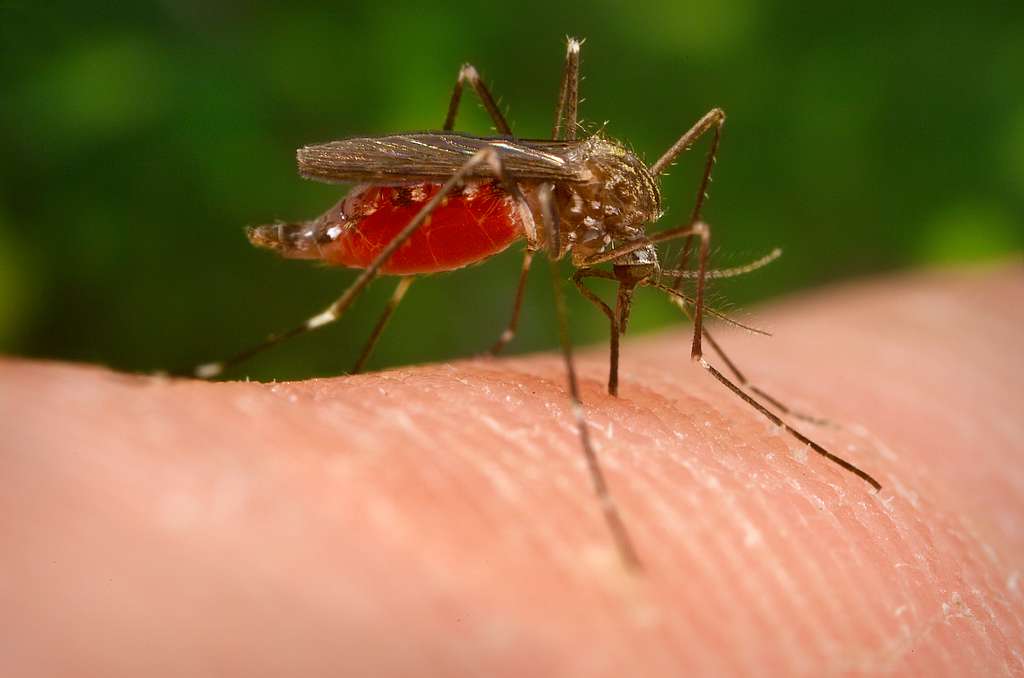
Public Health Inspector Bishwanath Shrestha stressed the critical importance of preventive measures during this period. He specifically advised eliminating stagnant water around homes, a primary breeding ground for the Asian bush mosquito, which transmits the JE virus through its bites. These actions are crucial to mitigating the risk of further transmission.
Public Health Inspector Bishwanath Shrestha has emphasised the importance of preventive measures during the rainy season, particularly the elimination of stagnant water around homes, to mitigate the risk of JE transmission through mosquito bites.
DistantNews Editorial
Originally published by OnlineKhabar English. Summarized and contextualized by our editorial team with added local perspective. Read our editorial standards.
More Stories


From Our Blog

What Gets Lost (and Found) When News Is Translated

The Critical Role of Diaspora Media in Global News

What Travellers Should Know About Countries with Restricted Press

A Digital Nomad's Guide to Following Local News

How the Same Story Looks Different in Different Countries
