



Japanese firms field record proposals from activists at this year's shareholder meetings
Summarized and contextualized by DistantNews.
At a glance
News
Documents & data
Ongoing story
- Japanese companies are facing a record number of proposals from activist investors at this year's shareholder meetings.
- Proposals include calls for executives to step down, driven by regulatory pushes for improved shareholder returns and recent activist successes.
- Foreign investors submitted the majority of the 139 proposals, with a notable increase in those opposing director appointments or nominating new candidates.
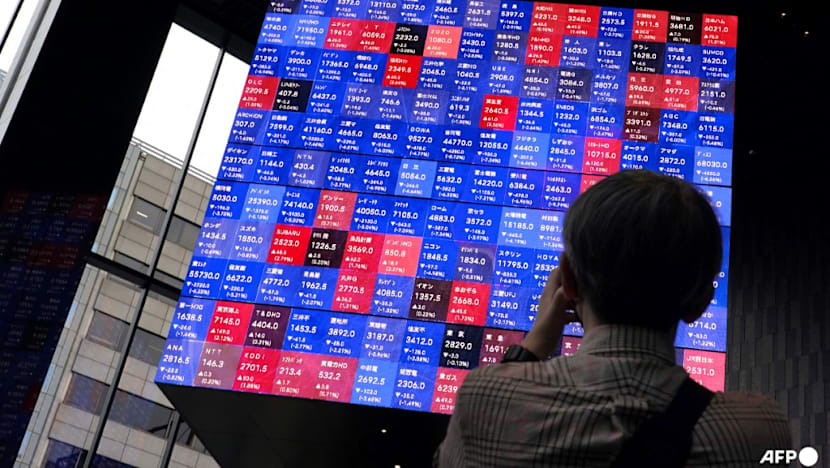
Activist investors are making a record push at Japanese companies' annual general meetings this month, submitting 139 proposals as of June 3. This surge reflects a multi-year effort by regulators and the Tokyo Stock Exchange to encourage better shareholder returns and investment in growth, coupled with recent high-profile activist victories.
Foreign investors are leading the charge, submitting the majority of these proposals. Notably, the number of proposals directly challenging director appointments or seeking to nominate new candidates has risen significantly, from seven in 2024 to 19 this year. While shareholder proposals rarely pass in any region, they often succeed in pressuring companies toward reform.
Taiyo was the same situation (as Kyocera) where the CEO was allocating capital toward and heralding a poor business that was taking away from the good margins of the great business.
Recent successes have emboldened activists. Last year, a vote instigated by Oasis Management led to the ousting of the CEO of Taiyo Holdings, a rare feat in Japan. Elliott Investment Management's public opposition campaign against Toyota also marked a significant milestone.
Among the key proposals this year, a June 25 vote at electronics manufacturer Kyocera is drawing attention. Oasis Management is calling for Chairman Goro Yamaguchi to step down, citing concerns similar to those at Taiyo Holdings where capital was allegedly misallocated. Yamaguchi's shareholder support has declined, receiving only 63.8 percent last year, a low figure for Japanese executives. Kyocera's board has rejected Oasis' proposals, defending Yamaguchi's contributions. Oasis is also targeting leadership at Kadokawa, Tokyo Steel, and SMS.
Right now, one effective way that we can galvanise other investors and improve the companies is to hold management accountable for poor performance if they don't deserve to be voted back in.
DistantNews Editorial
Originally published by CNA. Summarized and contextualized by our editorial team with added local perspective. Read our editorial standards.
More Stories

From Our Blog

What Gets Lost (and Found) When News Is Translated

The Critical Role of Diaspora Media in Global News

What Travellers Should Know About Countries with Restricted Press

A Digital Nomad's Guide to Following Local News

How the Same Story Looks Different in Different Countries
