



Javier Milei Slams Florencia Peña Over False Messi Family Report, Criticizes Media
Translated from Spanish, summarized and contextualized by DistantNews.
At a glance
News
Named sources
Context piece
- Argentine President Javier Milei criticized actress Florencia Peña for spreading false news about Lionel Messi's father.
- Milei called Peña a "low-class gossip" and accused her of spreading "aberrant and unscrupulous" information without verification.
- He also used the incident to criticize the media's perceived lack of accountability and decency.
Argentine President Javier Milei has sharply criticized actress Florencia Peña for disseminating false information regarding the health of Lionel Messi's father. On the social media platform X, Milei labeled Peña a "low-class gossip" and described her actions as "aberrant and unscrupulous."
When one believes they have seen it all from the media, certain characters make sure to remind us that one can always fall lower, always say something worse, and always inflict more damage.
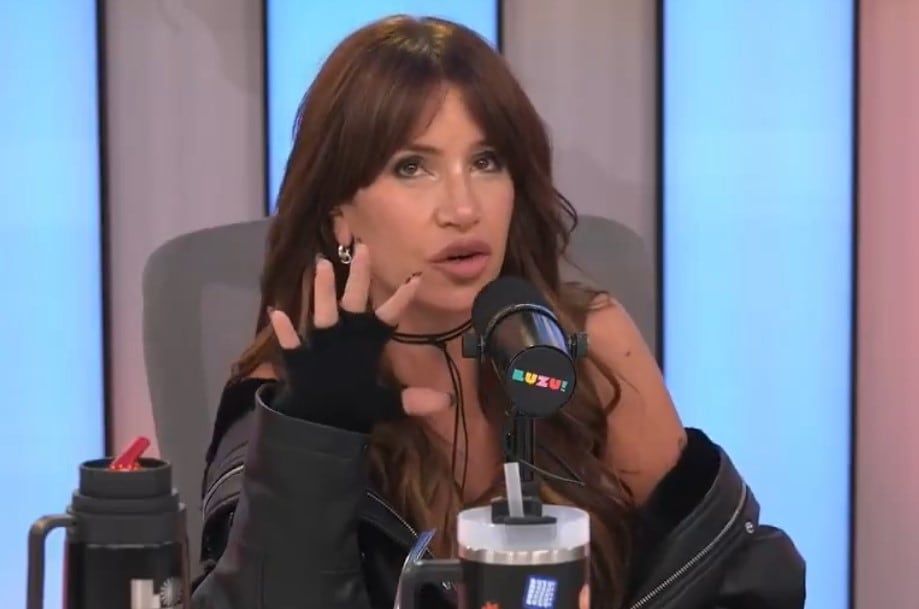
Peña had reported the supposed death of Messi's father during her program on the streaming channel Luzu TV. Although she later corrected the misinformation, the initial report caused significant impact, prompting the Messi family to issue a statement clarifying the situation. Milei asserted that even if the news were true, it would still be unacceptable due to its intrusion into a private citizen's life.
I don't want to give bad news, but Messi's father just died. Messi's father just died.
The president leveraged the incident to launch a broader critique of the media, suggesting that some individuals believe they can operate with impunity simply by having a platform. He argued that this perceived impunity leads them to disregard fact-checking, basic human decency, and respect for the truth.
It was sudden. Or what happened? What data is there, Magui? Very tough, in the middle of the World Cup.
Milei also commended Luzu TV for its swift action in dismissing Peña and others involved in spreading the false report. He contrasted this with traditional media outlets, which he claimed have a history of defamation without facing consequences, often shielded by editors and owners who allegedly disguise such actions as "journalism." He further criticized entertainment gossip reporters for pretending moral authority while allegedly accepting political funding to sustain outlets that would otherwise fail based on audience numbers.
When one believes they have seen it all from the media, certain characters make sure to remind us that one can always fall lower, always say something worse, and always inflict more damage.
DistantNews Editorial
Originally published by La Nación in Spanish. Translated, summarized, and contextualized by our editorial team with added local perspective. Read our editorial standards.
More Stories

From Our Blog

What Gets Lost (and Found) When News Is Translated

The Critical Role of Diaspora Media in Global News

What Travellers Should Know About Countries with Restricted Press

A Digital Nomad's Guide to Following Local News

How the Same Story Looks Different in Different Countries
