

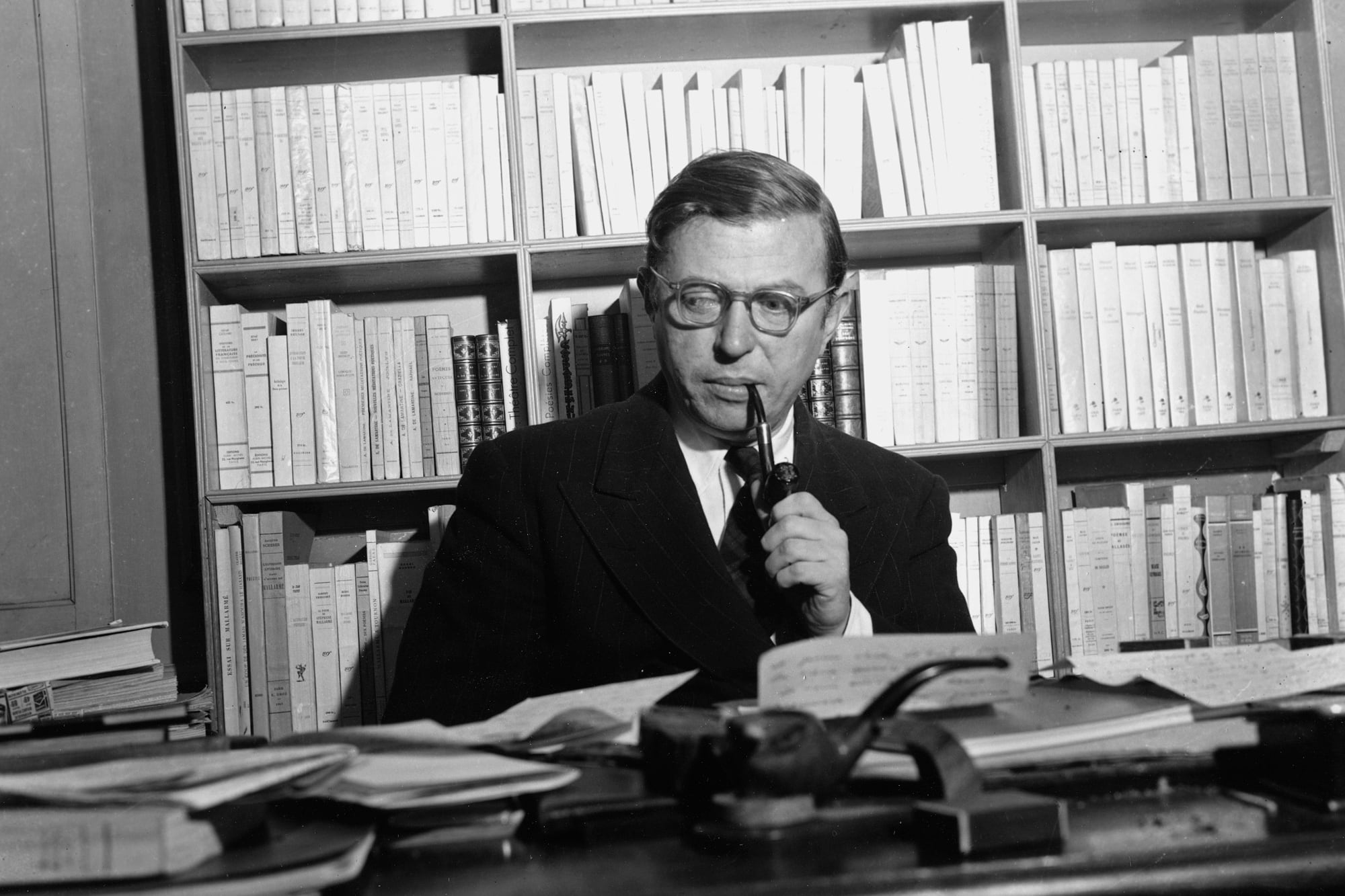
Jean-Paul Sartre's reflection on identity and the past: 'We are what we do with what was done to us'
Translated from Spanish, summarized and contextualized by DistantNews.
At a glance
Analysis
Named sources
Context piece
- Argentine psychologist Gabriel Rolón discussed Jean-Paul Sartre's philosophy on identity and the past, quoting the French philosopher: 'We are what we do with what was done to us.'
- Rolón explained that while personal history shapes individuals, it doesn't entirely define their future, emphasizing the freedom to choose how to respond to past experiences.
- He also reflected on how memory edits and idealizes past events and figures, noting that this process contributes to personal identity without invalidating emotional significance.
Argentine psychologist Gabriel Rolón has delved into the complex relationship between the past, identity, and personal transformation, drawing upon the existentialist philosophy of Jean-Paul Sartre. During an interview with LA NACION, Rolón invoked Sartre's famous assertion: 'We are what we do with what was done to us.'
We are what we do with what was done to us.
Rolón elaborated on this idea, explaining that while life experiences, relationships, and memories profoundly shape an individual's personality, they do not absolutely dictate who a person can become. He highlighted that individuals often become caught between longing for an idealized past and anticipating future happiness, rather than focusing on building well-being in the present moment.
According to Rolón, Sartre's philosophy suggests that people are not entirely predetermined by their circumstances. Instead, individuals retain a degree of freedom to choose their response to past events. He clarified that while memories and experiences 'have done things to us,' this does not condemn us to automatically repeat them. This capacity for choice is a central tenet of existentialism.
The memory is a very particular and enigmatic place, because it is the place where we keep the things we have lost so that death does not take them away forever.
Furthermore, Rolón reflected on the nature of memory itself, describing it as an enigmatic space where lost things are preserved. He noted that memory undergoes a form of 'editing' or 'photoshopping' over time. This process can lead to an idealized recollection of past figures, such as parents or childhood moments, making them seem more perfect than they were. However, Rolón stressed that this idealization does not diminish the emotional value of these experiences, as they remain integral to a person's identity.
We do like an editing, a photoshopping of memories.
Rolón concluded by listing key life moments that contribute to identity formation, including childhood emotions, early discoveries, significant relationships, and pivotal decisions made during youth. These elements, he suggested, are crucial in shaping who we are and who we can become.
The one who can be happy today is the one who was excited at five with the first guitar, at 12 when he went with his dad to live two years in the countryside, at 18...
DistantNews Editorial
Originally published by La Nación in Spanish. Translated, summarized, and contextualized by our editorial team with added local perspective. Read our editorial standards.
More Stories


From Our Blog

What Gets Lost (and Found) When News Is Translated

The Critical Role of Diaspora Media in Global News

What Travellers Should Know About Countries with Restricted Press

A Digital Nomad's Guide to Following Local News

How the Same Story Looks Different in Different Countries
