


Jeju's marine protected areas suffer ecosystem damage from abandoned fishing gear
Translated from Korean, summarized and contextualized by DistantNews.
At a glance
News
Named sources
Context piece
- A survey of South Korea's Jeju marine protected areas found that 92% of surveyed sites contained abandoned fishing gear, damaging ecosystems.
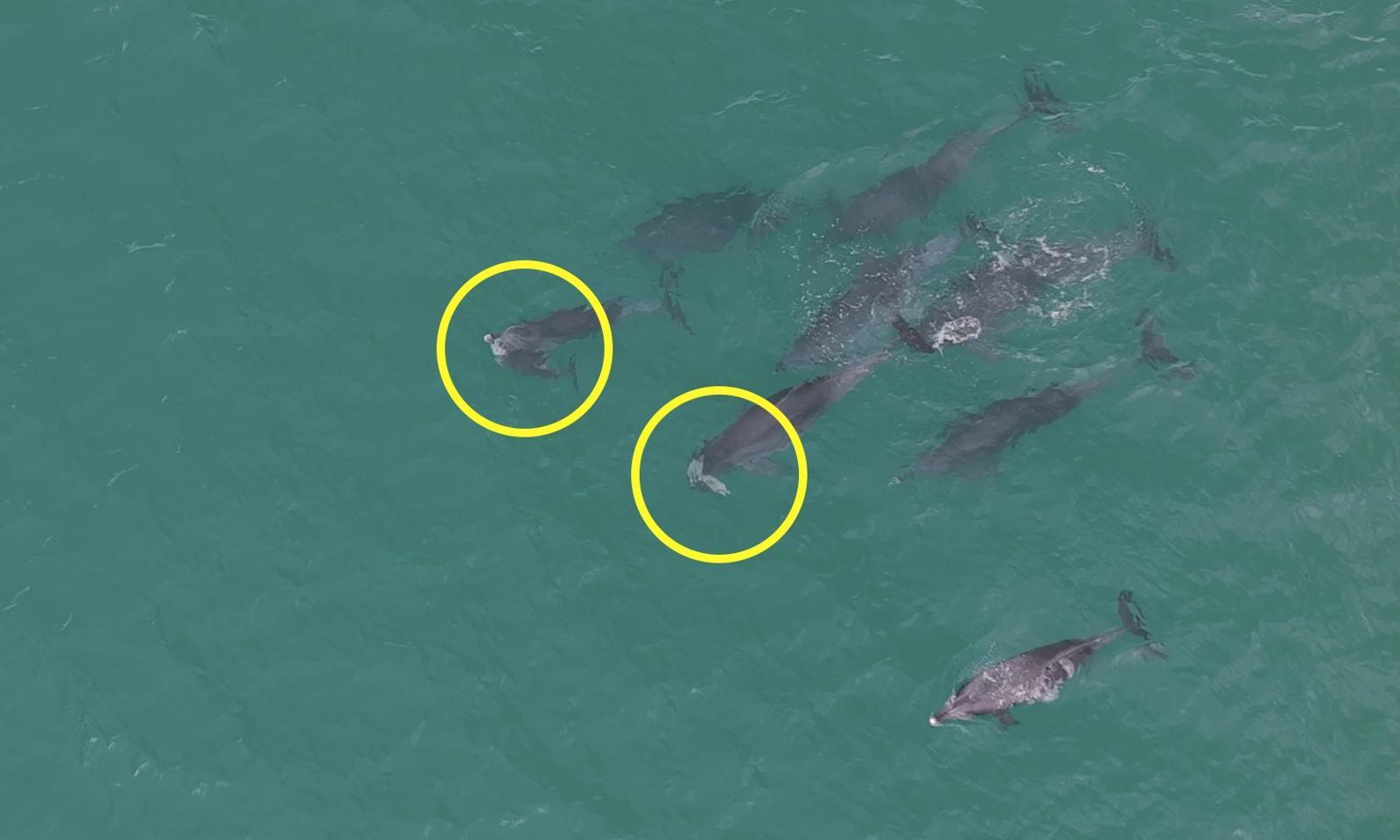
- The gear, primarily fishing lines, entangled and killed or injured 183 marine animals, including protected species like the Indo-Pacific humpback dolphin.
- The report criticizes the ineffective management of these protected areas, with only one site actively managed and significant underfunding for others.
Jeju's marine protected areas, designated for their ecological value and home to endangered species, are suffering severe ecosystem damage from abandoned fishing gear. A recent report by the marine civic science center 'Paran' revealed that 92% of 50 surveyed sites within 16 protected areas contained discarded fishing nets, traps, and ropes.
This debris has led to the entanglement and death or injury of 183 marine animals across 23 species. Among the affected were protected species such as the Indo-Pacific humpback dolphin, sea anemones, and sea fans, highlighting the widespread ecological harm occurring even within protected zones. The report noted that approximately 20% of sea turtles found dead along Jeju's coast between 2021 and 2024 were entangled in fishing gear, and four Indo-Pacific humpback dolphins were confirmed entangled in the past year.
Fishing lines were the most prevalent type of debris, accounting for 23.3% of the waste. Although small in volume, these lines were responsible for 99% of the entangled marine life, including algae and corals. A particularly tragic case involved an Indo-Pacific humpback dolphin found dead, entangled in fishing line in the Sindo-ri marine protected area.
Jeju Province manages the largest marine protected areas in the country, but effective management has not been sufficiently implemented since designation.
The southern waters around Beomseom, Munseom, and Sseom islands, known for housing South Korea's largest colonies of soft corals and designated as natural and marine ecosystem protected areas, showed the highest incidence of damage from recreational fishing. Despite their protected status, these areas are heavily used by recreational anglers, contributing to the extensive damage.
The report attributes the ongoing damage to the failure in managing these marine protected areas. Currently, only one of Jeju's 14 marine protected areas is actively managed according to administrative plans. Areas like Chujado and Munseom have seen only 1.3% of their planned management budgets executed between 2017 and 2021, indicating a severe lack of effective oversight. Furthermore, despite recreational fishing being identified as a major source of damage, no specific regulations or guidelines are in place for managing recreational fishing within any of Jeju's 16 marine protected areas.
Fishing management and user education are needed for ecologically sensitive areas to ensure marine protected areas operate as effective systems.
DistantNews Editorial
Originally published by Hankyoreh in Korean. Translated, summarized, and contextualized by our editorial team with added local perspective. Read our editorial standards.
More Stories

From Our Blog

What Gets Lost (and Found) When News Is Translated

The Critical Role of Diaspora Media in Global News

What Travellers Should Know About Countries with Restricted Press

A Digital Nomad's Guide to Following Local News

How the Same Story Looks Different in Different Countries
