


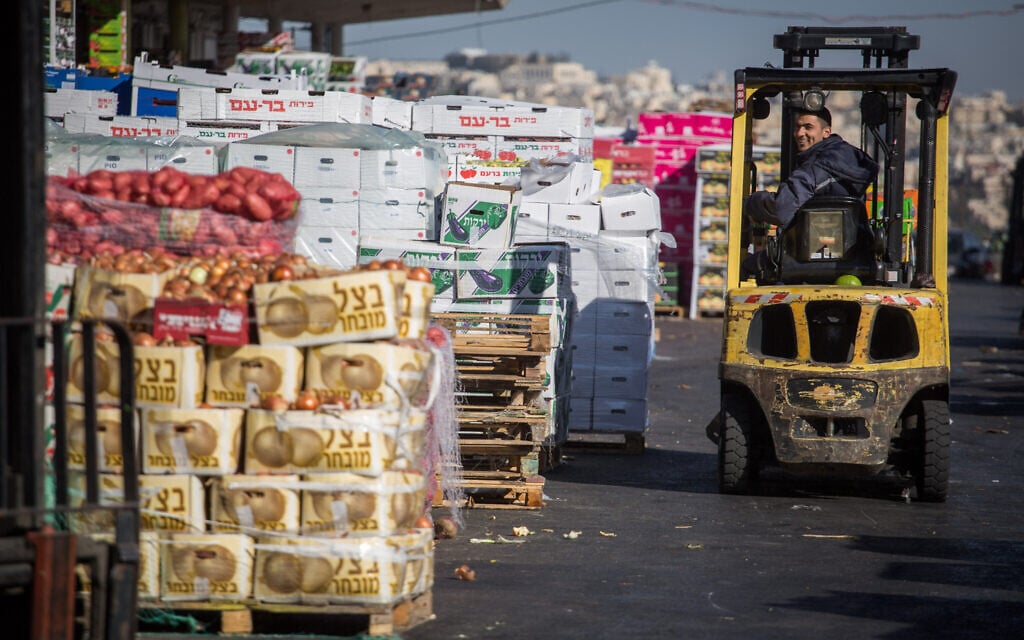
Jerusalem’s surplus produce goes to waste. An upstart NGO seeks to fix the system
Summarized and contextualized by DistantNews.
At a glance
In-depth
Named sources
Context piece
- An NGO called Jerusalem Food Rescuers is working to reduce food waste and food insecurity in Jerusalem.
- The organization salvages 7-10 tons of surplus food weekly, primarily from the wholesale market.
- Jerusalem Food Rescuers aims to reform the city's poorly coordinated system for handling surplus food, which currently leads to waste while many residents struggle with hunger.
In Jerusalem's bustling wholesale produce market, small forklifts navigate laden pallets as vendors prepare to distribute goods to grocery stores and restaurants. For generations, Jewish and Arab families have worked side-by-side in this market, a hub of activity near the city entrance.
Amidst this commerce operates Jerusalem Food Rescuers (Metzilot HaMazon), an NGO founded in 2019 by social activists. The organization tackles food insecurity in the capital, where a significant portion of families and children live below the poverty line. Volunteers at their warehouse sort through tons of surplus vegetables and fruits, separating items for distribution and setting aside waste for animal feed or composting.
While food rescue initiatives are not new in Israel, Jerusalem Food Rescuers focuses specifically on the urban environment of Jerusalem. They currently rescue seven to ten tons of food weekly, with the majority coming from the wholesale market's businesses. The salvaged food is distributed through NGOs and directly to the public, reaching an estimated 1,000 Jerusalemites each week.
The NGO's ambitious goal is to overhaul the city's inefficient system that connects food suppliers, distributors, and the administration. This current system results in the city spending substantial amounts to dispose of food waste, even as many residents face food shortages.
DistantNews Editorial
Originally published by Times of Israel. Summarized and contextualized by our editorial team with added local perspective. Read our editorial standards.
More Stories

From Our Blog

What Gets Lost (and Found) When News Is Translated

The Critical Role of Diaspora Media in Global News

What Travellers Should Know About Countries with Restricted Press

A Digital Nomad's Guide to Following Local News

How the Same Story Looks Different in Different Countries
