

Jewelry worth millions stolen in daring raid on French Lalique museum
Translated from Romanian, summarized and contextualized by DistantNews.
At a glance
News
Sources not specified
Context piece
- Jewelry valued at millions of euros was stolen during a burglary at the Lalique museum in Wingen-sur-Moder, France.
- Thieves targeted the jewelry room shortly after breaking into the museum early Sunday morning.
- The museum will remain closed for several days following the incident, and authorities are analyzing surveillance footage.
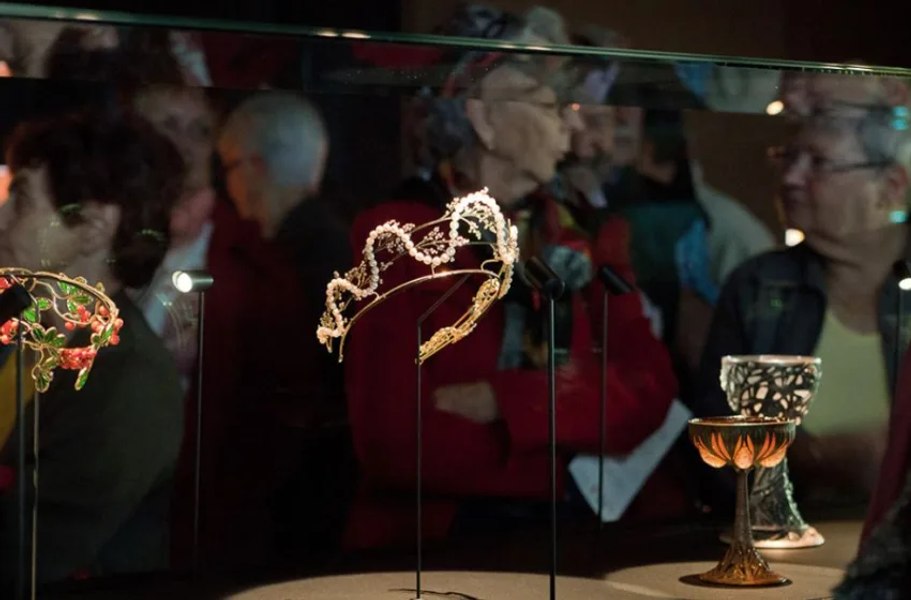
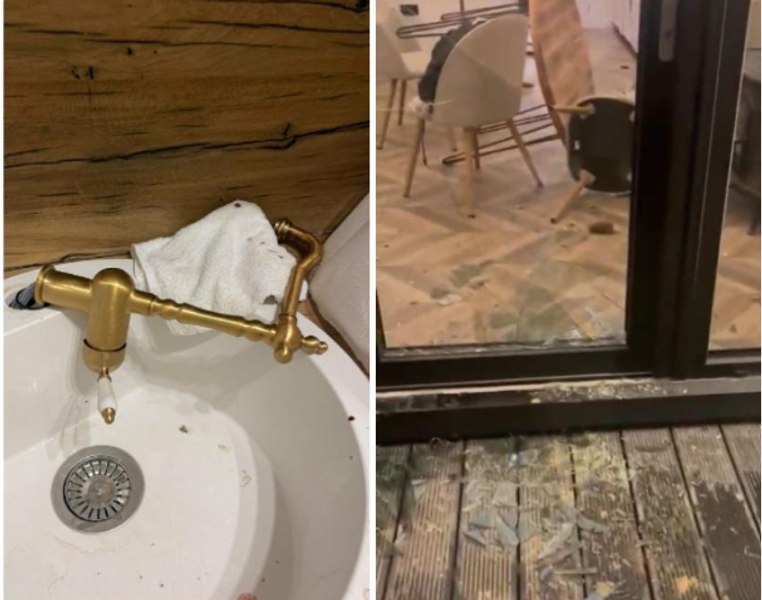
Jewelry worth millions of euros was stolen in a brazen burglary at the Lalique museum in Wingen-sur-Moder, northeastern France, on Sunday. The theft occurred early in the morning when the perpetrator or perpetrators broke into the premises, reportedly heading directly for the jewelry exhibition room.
According to a source close to the investigation, approximately twenty pieces of jewelry were taken. While the exact value is still being assessed, it is estimated to be in the range of several million euros, possibly close to four million. The alarm system was triggered, but by the time security personnel completed their procedural checks, a cleaner had arrived on the scene and alerted the police.
Authorities are currently examining surveillance footage from the museum as part of their ongoing investigation. The museum, dedicated to the renowned glassmaker René Lalique, a key figure in Art Nouveau and Art Deco movements, was opened in 2011 near the company's factory. Following the significant theft, the museum announced on its official website that it would be closed to the public for several days.
This incident brings renewed attention to security measures at French museums and galleries. It follows a high-profile jewelry heist at the Louvre Museum in Paris last October, where thieves escaped with jewels valued at $102 million in a heist lasting less than eight minutes.
Approximately twenty pieces of jewelry were stolen. The value of the damage is being assessed, but it could amount to several million euros, most likely close to four million.
DistantNews Editorial
Originally published by Adevărul in Romanian. Translated, summarized, and contextualized by our editorial team with added local perspective. Read our editorial standards.
More Stories
From Our Blog

What Gets Lost (and Found) When News Is Translated

The Critical Role of Diaspora Media in Global News

What Travellers Should Know About Countries with Restricted Press

A Digital Nomad's Guide to Following Local News

How the Same Story Looks Different in Different Countries
