


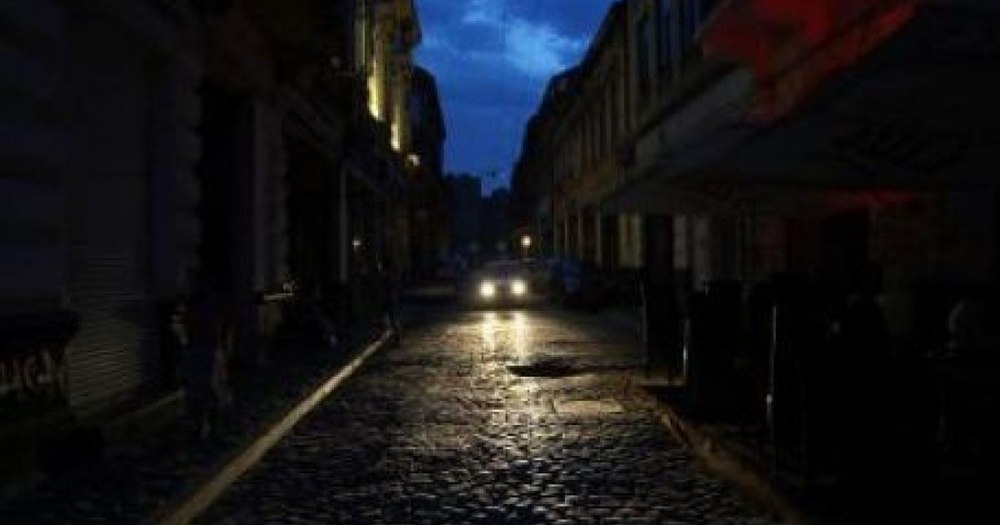
Thousands of Romanian pedestrian crossings remain dangerously dark four years after safety law
Translated from Romanian, summarized and contextualized by DistantNews.
At a glance
News
Sources not specified
Context piece
- Four years after a law mandated illuminated pedestrian crossings, thousands in Romania remain poorly lit or unsafe.
- Romania has the highest road fatality rate in the EU, with pedestrians being particularly vulnerable.
- Implementation of lighting standards varies significantly across municipalities, creating unequal safety conditions.
Thousands of pedestrian crossings in Romania continue to pose deadly risks in the dark, four years after a law required municipalities to illuminate them. Despite legal obligations for road administrators, the application of these safety measures varies drastically across the country, leaving pedestrian safety dependent on location.
Romania faces a critical road safety situation, recording the highest road fatality rate in the European Union with 78 deaths per million inhabitants, significantly higher than the EU average of approximately 44. In 2025 alone, the country experienced nearly 4,000 serious road accidents, resulting in over 1,200 deaths and more than 3,000 severe injuries. Pedestrians are among the most vulnerable road users, especially in urban and peri-urban areas where frequent crossings occur, often in conditions of poor visibility or inadequate infrastructure.
The disparity in implementation is evident even between major cities. Cluj-Napoca has integrated pedestrian crossing modernization into broader urban infrastructure projects, installing additional lighting systems and reconfiguring crossings near schools and busy boulevards for better visibility. Oradea has also undertaken public lighting modernization programs. However, in many smaller towns and certain counties, pedestrian crossings remain poorly lit, particularly on secondary roads or at town exits, despite being properly marked on the road surface.
This inconsistency is attributed not only to the size of a locality but also to its financial capacity, investment priorities, and how local administrations interpret legal obligations. The 2022 law aimed to establish a national, uniform standard for illuminating non-signalized pedestrian crossings on all roads within localities. In practice, however, the effectiveness and safety of these crossings remain unevenly distributed across Romania.
DistantNews Editorial
Originally published by Adevărul in Romanian. Translated, summarized, and contextualized by our editorial team with added local perspective. Read our editorial standards.
More Stories


From Our Blog

What Gets Lost (and Found) When News Is Translated

The Critical Role of Diaspora Media in Global News

What Travellers Should Know About Countries with Restricted Press

A Digital Nomad's Guide to Following Local News

How the Same Story Looks Different in Different Countries
